Quick answer: Fall houseplant care comes down to adjusting for less light, slower growth and drier indoor air. From September to November, move plants closer to your brightest windows, water less often (only when the top inch or two of soil is dry), taper fertilizer and stop it by October, keep plants away from radiators, heat vents and cold glass, and bring any outdoor plants inside before nights drop to about 50°F (10°C), inspecting and isolating them first. Hold off on repotting unless a plant truly needs it. A few yellow lower leaves in fall are usually a response to lower light, not a sign your plant is dying.
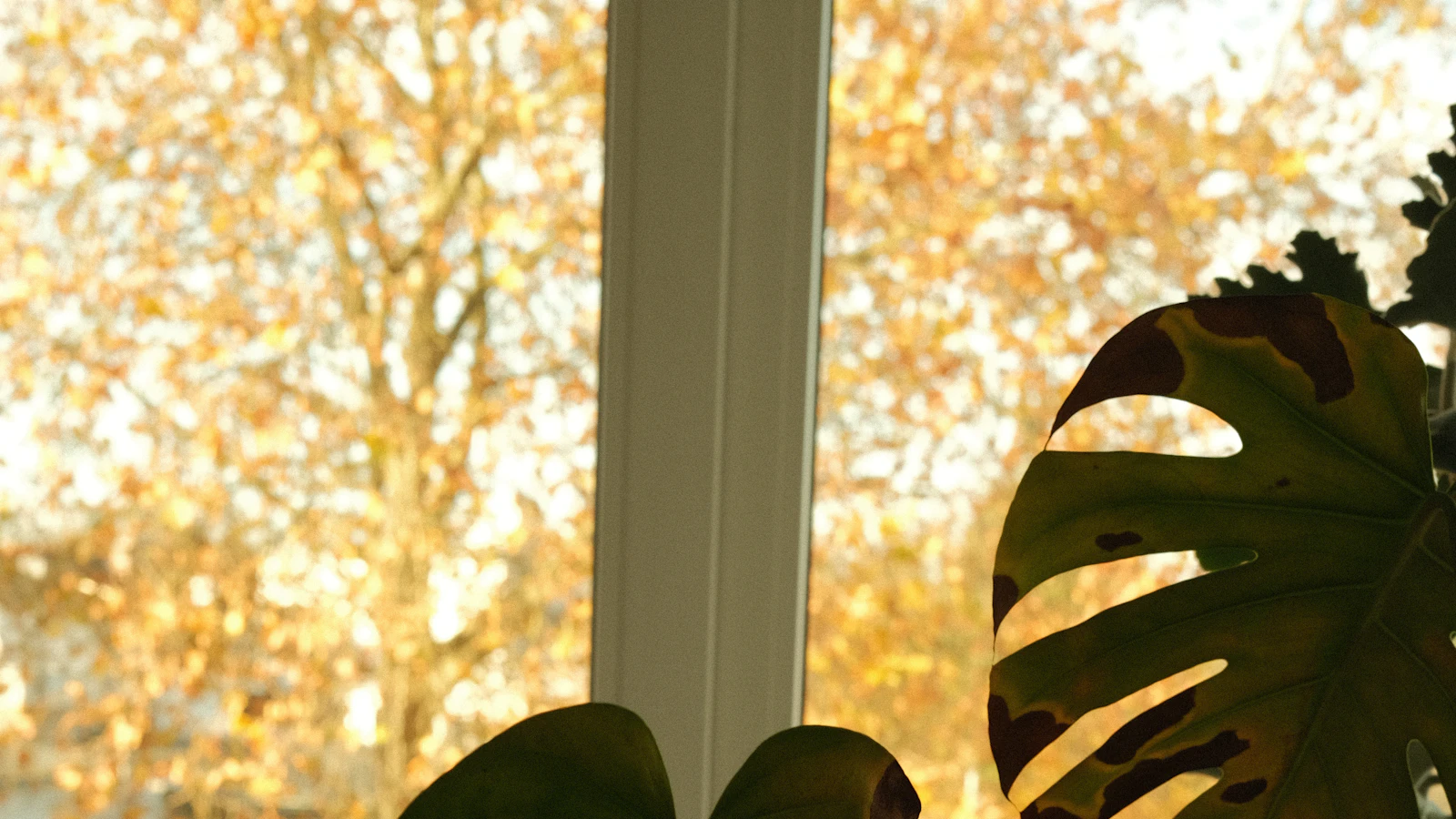
Most houseplant problems that show up in November start in September. The days get shorter, the sun sits lower in the sky, and the heating comes on, but we keep watering and feeding the same way we did in July. The plant slows down; our routine doesn’t. That mismatch is behind most fall yellowing, soggy soil and surprise pest outbreaks.
This guide is a seasonal checklist, not a shopping list. It covers what to change, roughly when, and how to tell normal fall behavior from a real problem. The months refer to the Northern Hemisphere; if you live south of the equator, apply the same steps from March to May.
Fall houseplant care checklist at a glance
| What to change | When | Why it matters | How |
|---|---|---|---|
| Light | September onward | Shorter days and a lower sun mean less usable light indoors | Move plants closer to south- or west-facing windows, clean the glass, rotate pots |
| Watering | Gradually from September | Slower growth and cooler rooms mean soil dries more slowly | Water only when the top inch or two is dry; water thoroughly, then empty the saucer |
| Fertilizer | Taper in September, stop by October | Resting plants can’t use it, and unused fertilizer salts build up | Skip feeding until you see new growth in spring |
| Outdoor plants | Before nights fall to about 50°F (10°C) | Most houseplants are tropical and get damaged in the 40s°F | Acclimate in shade for about a week, inspect, rinse, quarantine 3–4 weeks |
| Heating and drafts | When the heat turns on | Heated homes often fall below 30% humidity; hot and cold blasts stress leaves | Keep plants away from radiators, vents and cold panes; group plants or use a humidifier |
| Repotting | Avoid unless necessary | Roots recover slowly when growth is slow | Wait until spring unless there is root rot or a pest problem in the soil |
Why houseplants need different care in fall
Direct answer: In fall, light is the first thing to drop. With less light, plants photosynthesize less, grow more slowly and use less water and fertilizer. Your care has to slow down with them, or you end up giving more water and food than the plant can use.
Indoors, the change is easy to miss because the room looks the same. But a window that gave a pothos bright light in June may give it dim, low-angle light by November. Cooler nights slow growth further. Then the heating arrives and dries the air, which tropical plants feel at their leaf tips first. None of these changes is dramatic on its own; together they explain why the same routine works in summer and fails in fall.
1. Move plants closer to the light
This is the single most useful fall change. Shift light-loving plants (monstera, fiddle leaf fig, succulents, cacti, most flowering plants) closer to your brightest windows, usually south- or west-facing. Plants that were happy a few feet back from a window in summer often need to be right beside it from October on.
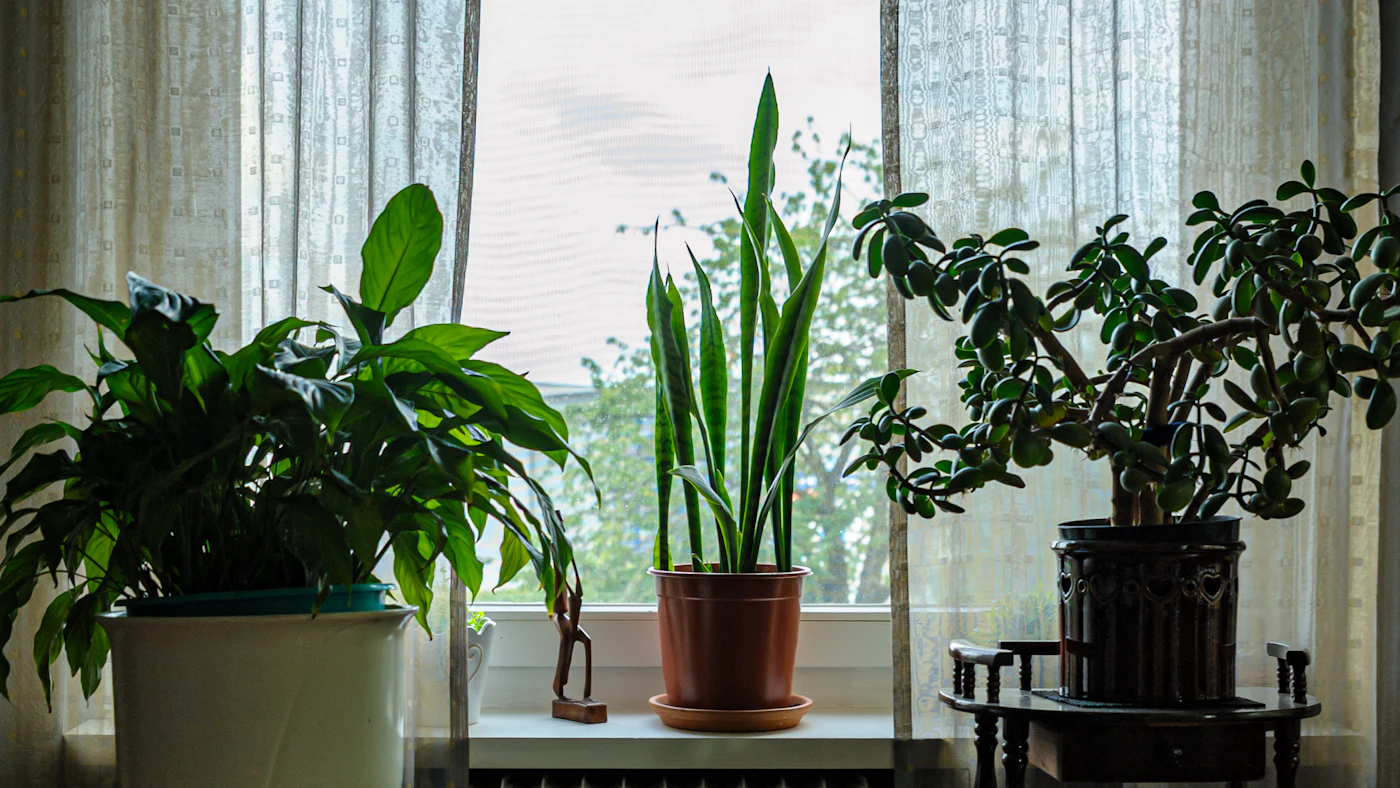
- Clean the windows and the leaves. Dust on both cuts light. Wipe leaves with a soft, damp cloth.
- Rotate pots a quarter turn every week or two so plants don’t lean toward the glass.
- Open sheer curtains during the day if you used them to filter harsh summer sun.
- Keep leaves off the glass. As nights get cold, window panes can chill or damage foliage that touches them.
- Add a grow light if you have no bright window. A simple LED grow light on a timer can fill the gap from late fall to early spring.
Low-light plants like snake plants, ZZ plants and pothos tolerate a dimmer spot, but even they grow better with more light in winter. If you’re not sure how bright a spot really is, our guide to how much light houseplants need shows how to read windows and rooms.
2. Water less often, but still water thoroughly
Direct answer: Most houseplants need water less often in fall because they grow more slowly and their soil dries more slowly. Don’t switch to smaller sips; instead, wait longer between waterings and check the soil first.
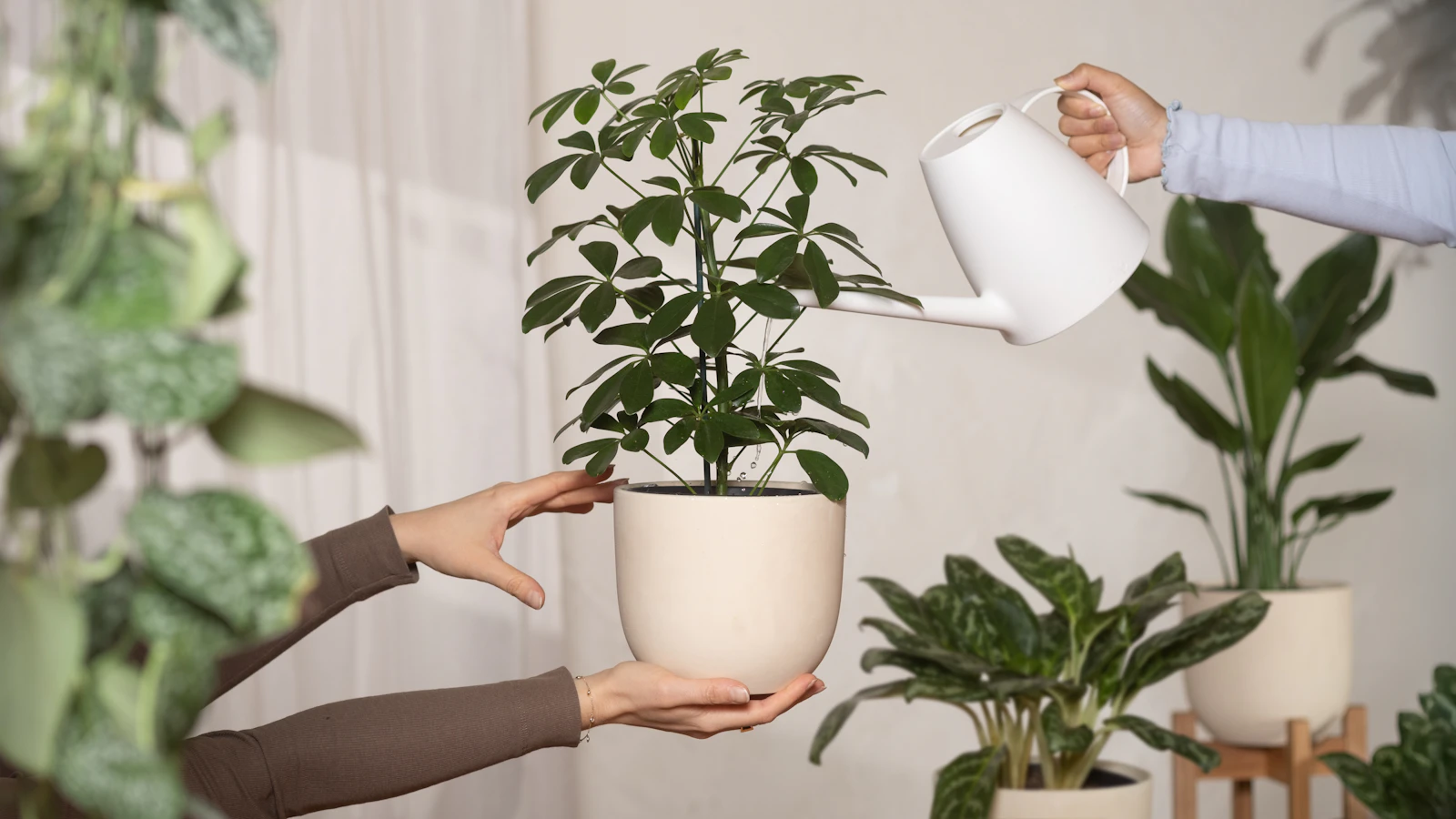
- Check before you water. For most foliage plants, water when the top inch or two of soil feels dry (roughly to your second knuckle). Succulents, cacti, snake plants and ZZ plants can dry out further.
- Use pot weight as a second check. Lift the pot right after watering and again a few days later; a light pot is a reliable “ready” signal.
- Water fully when you do water, until some drains from the bottom, then empty the saucer. Never leave pots standing in water.
- Stop following a summer calendar. A plant watered every 5 days in August may need water every 10–14 days in November. Our seasonal watering schedule template helps you adjust by room instead of by date.
Overwatering is the most common fall mistake, and soil that stays wet in a cool room is an invitation to two problems: root rot and fungus gnats, whose larvae live in damp potting mix. If gnats show up after you bring plants in, follow our plan to break the fungus gnat life cycle. For the basics of technique, see our houseplant watering guide.
3. Taper fertilizer, then stop
Direct answer: Stop fertilizing most houseplants by October and don’t start again until you see new growth in spring, usually around March. Resting plants can’t use the nutrients, and the unused fertilizer salts build up in the soil.
University extension services give the same rule of thumb: feed only when plants are actively growing. If you fed monthly in summer, give a last half-strength feed in September, then pause. Salt buildup from feeding a slow-growing plant can burn roots and shows up as crispy, brown leaf tips; our guide to brown tips on houseplant leaves explains how to flush the soil if that happens.
The exceptions are plants that are clearly still growing under strong light or grow lights, and winter bloomers. Feed those lightly, at reduced strength.
4. Prepare for dry air when the heat turns on
Once the heating runs, indoor humidity can drop below 30%, and sometimes below 20%. Most tropical houseplants prefer roughly 40–60%. Dry air shows up as brown, crispy tips and edges, curling leaves and, often, spider mites, which thrive in warm, dry rooms.
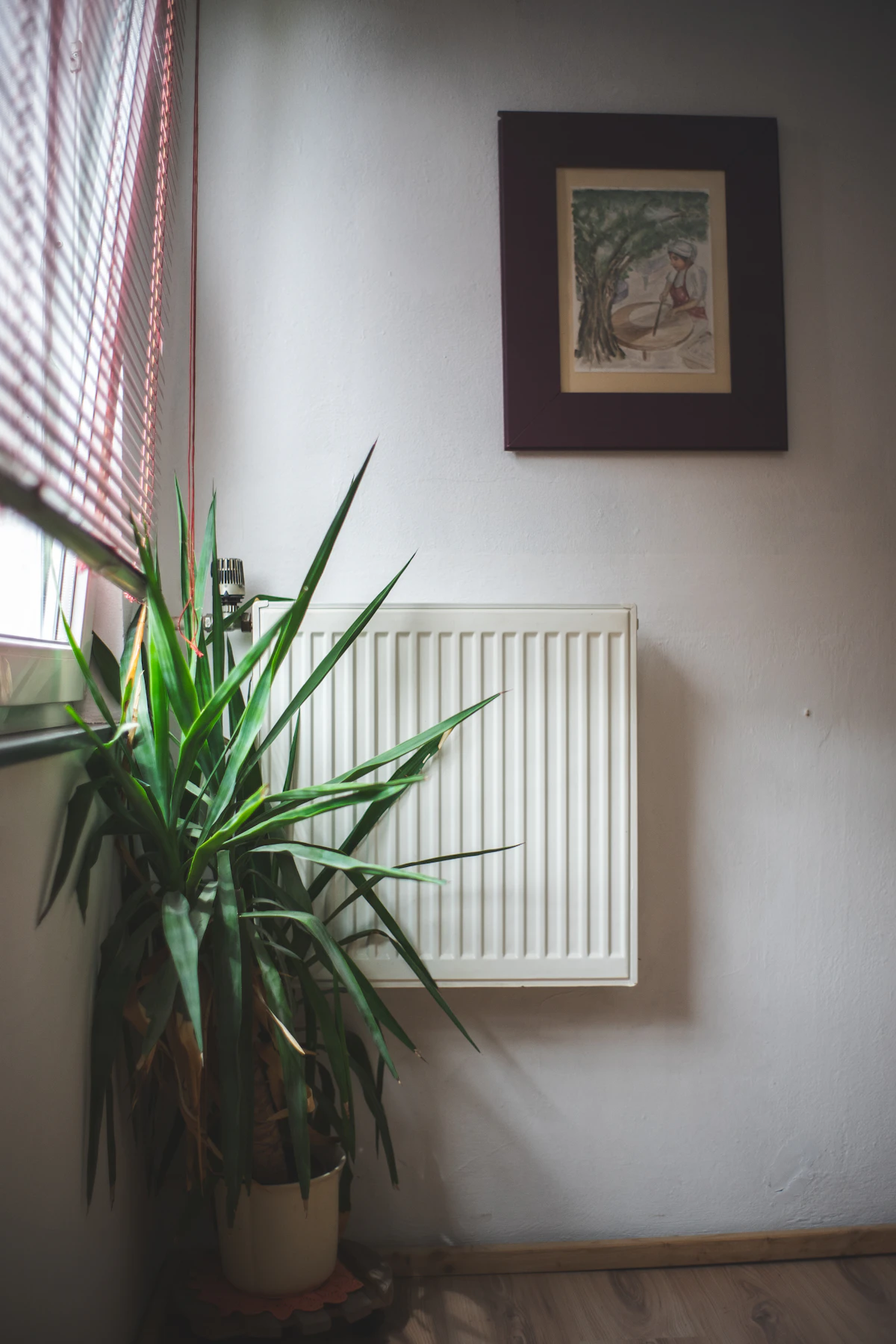
- Move plants away from radiators, heat vents, fireplaces and stoves. Direct hot air dries leaves and soil fast.
- Avoid cold drafts too, such as a front door or a leaky window. Sudden leaf drop in fall is often a temperature shock.
- Group humidity-loving plants together. Water evaporating from leaves and soil raises humidity slightly around the group.
- Use a pebble tray or a humidifier for fussy plants like calatheas and ferns. With a pebble tray, keep the pot above the waterline, not sitting in it.
- Don’t rely on misting. It raises humidity for only a few minutes.
- Check for spider mites on leaf undersides every couple of weeks. Fine webbing or speckled leaves are the early signs; see how to treat spider mites on houseplants.
A small hygrometer (humidity monitor) is the easiest way to know whether your home is actually dry, rather than guessing from the leaves.
5. Bring outdoor plants inside before it gets cold
Direct answer: Bring houseplants that spent summer outdoors back inside when nighttime temperatures start dipping into the 50s°F (10–13°C). Many tropical plants are damaged in the mid-40s°F, so don’t wait for the first frost.
- Acclimate first. About a week before the move, put plants in full shade so the drop to indoor light is less of a shock. Expect a few leaves to yellow or drop anyway.
- Inspect everything: leaf undersides, stems, leaf joints, the pot rim, the drainage hole and the space between pot and saucer. Aphids, spider mites, mealybugs, scale, earwigs and ants are common hitchhikers.
- Rinse the foliage with a steady stream of water outdoors and let it dry before you bring the plant in. Our houseplant pest identification guide helps if you find something.
- Quarantine for 3–4 weeks in a separate room, away from plants that stayed indoors all summer. Most pests that came along will show up within that window. Our houseplant quarantine guide covers what to check each week.
- Give returning plants your brightest spot and water less than you did outdoors.
6. Hold off on repotting
Spring is the best time to repot, because roots grow quickly into fresh mix when the plant is actively growing. In fall, a repotted plant sits in a larger volume of wet soil while its roots barely move, which raises the risk of rot. Repot in fall only when you have to: root rot, a pot that is broken or has no drainage, soil pests, or roots so packed that water runs straight through.
If you do need to repot, use a pot only one size larger and water carefully afterwards. Our step-by-step repotting guide covers the technique, and if the plant droops afterwards, see how to fix transplant shock.
Yellow leaves in fall: normal or a problem?
Direct answer: One or two older, lower leaves turning yellow as the light drops is usually normal: the plant is shedding leaves it can no longer support. Many leaves yellowing at once, especially with wet soil, usually means you haven’t cut back on watering yet.
| What you see in fall | Most likely cause | What to do |
|---|---|---|
| 1–2 oldest lower leaves yellow and drop | Natural adjustment to less light | Remove them; move the plant closer to the window |
| Several leaves yellow, soil still damp days after watering | Same watering as summer, slower drying | Let the soil dry to the top 1–2 inches; water less often |
| Yellowing plus leaf drop after bringing a plant in | Light and temperature shock from the move | Keep it in bright light, avoid drafts, be patient for 2–4 weeks |
| Brown, crispy tips and edges | Dry heated air or fertilizer salts | Raise humidity, move away from heat, stop fertilizing, flush the soil |
| Speckled, dull leaves with fine webbing | Spider mites in warm, dry air | Isolate, rinse leaf undersides, treat with a labeled product |
| Soft stem, sour-smelling soil, rapid collapse | Root rot from cool, wet soil | Unpot and check the roots promptly |
Pothos is a good example: “pothos turning yellow in the fall” is a common search, and the answer is usually lower light combined with watering that hasn’t been reduced yet. Our guide to why pothos leaves turn yellow shows how to diagnose by leaf position, and the yellow leaves diagnosis guide covers other plants.
Fall houseplant care month by month
September
- Give the last half-strength feed of the year.
- Start checking soil before every watering instead of following the summer schedule.
- Inspect outdoor plants and move them into shade to begin acclimating.
October
- Bring outdoor plants in before nights reach about 50°F (10°C), and quarantine them.
- Stop fertilizing.
- Move light-lovers to the brightest windows; clean glass and leaves.
- Before the heat comes on, plan where plants will sit away from radiators and vents.
November
- Check humidity and add grouping, pebble trays or a humidifier for tropical plants.
- Watch for spider mites and fungus gnats every week or two.
- Keep leaves off cold window glass at night.
- Water even less often as days get shortest; most plants are close to their winter routine now.
FAQ: fall houseplant care
Should I water houseplants less in the fall?
Yes, for most plants. Growth slows as light drops, so soil stays moist longer. Keep watering thoroughly, but wait until the top inch or two of soil is dry. That usually means longer gaps between waterings, not smaller amounts.
When should I stop fertilizing houseplants in fall?
Taper in September and stop by October for most houseplants. Start again in spring when you see new leaves, usually around March. Plants under grow lights that are still actively growing can get a light, reduced-strength feed.
When should I bring my houseplants inside for fall?
When nighttime temperatures start dipping into the 50s°F (about 10–13°C). Many tropical plants get damaged in the mid-40s°F, well above freezing. Acclimate them in shade for about a week first and check them for pests.
Why are my houseplant leaves turning yellow in the fall?
A few older leaves turning yellow is a normal response to less light. Widespread yellowing usually means the plant is getting the same water as in summer while using less. Move it closer to the light and let the soil dry more between waterings.
Is it OK to repot houseplants in the fall?
Only if it’s necessary, for example root rot, soil pests, a broken pot or severely root-bound roots. Otherwise, wait until spring, when the plant can grow new roots into the fresh mix quickly.
Do houseplants need a humidifier in fall and winter?
Not all of them. Succulents, snake plants and ZZ plants handle dry air well. Tropical plants with thin leaves, such as calatheas, ferns and some philodendrons, benefit from a humidifier or grouping once the heating runs and indoor humidity falls below about 40%.
Sources
- University of Minnesota Extension, Bringing houseplants in for winter
- Iowa State University Extension, How and when do I bring my houseplants back indoors before winter?
- University of Vermont Extension, Hibernating Houseplants
- University of Illinois Extension, Houseplant Care
- University of Nebraska–Lincoln Extension, Guide to Growing Houseplants (G2205)