Quarantine new houseplants for one to two weeks before they join your main shelf. Inspect leaf undersides, soil surface, and stems for hitchhikers, keep the plant in a separate spot, and act on the first sticky residue, webbing, or crawling insects—not after three plants show the same problem.
Nurseries, garden centers, and online shipments are busy ecosystems. Most plants arrive healthy. A few carry spider mites, mealybugs, aphids, scale, fungus gnats, or eggs you cannot see yet. This is a practical how-to—no product shop pitch. Pair it with the common houseplant pests guide for ID, and with spider mites early signs and treatment if you spot fine stippling. Indoor Plants, Made Simple.
Two weeks of distance beats two months of spraying a whole collection.
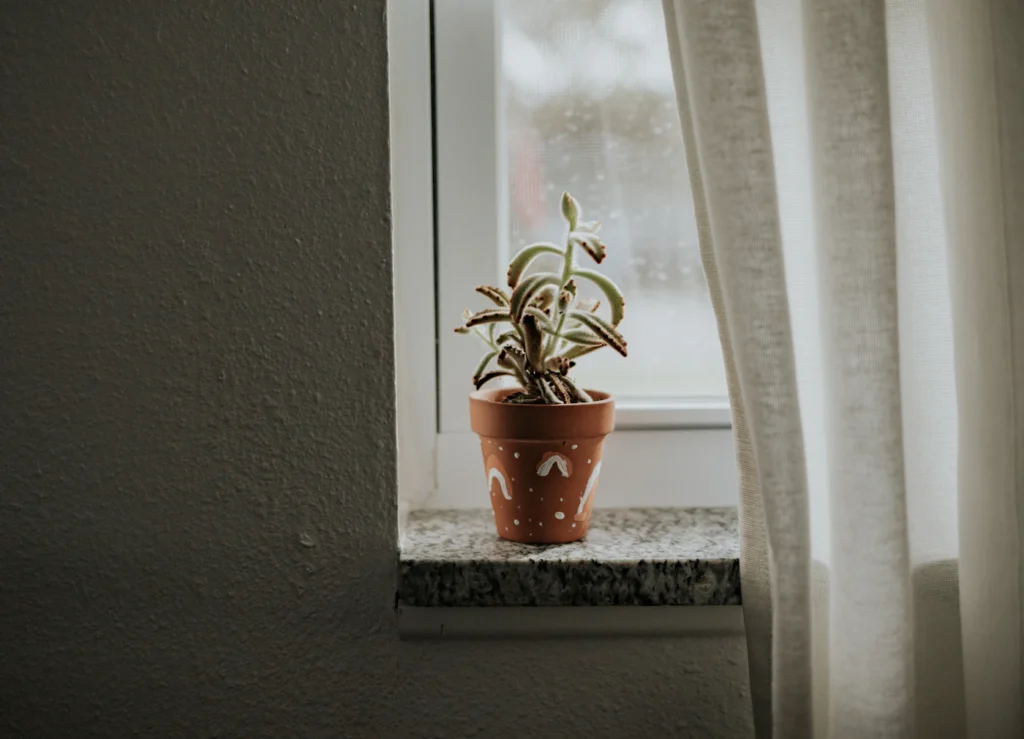
Why Quarantine New Houseplants?
Direct answer: Quarantine new houseplants so any pests or diseases they carry stay on that one plant while you watch, wipe, and treat—before leaves touch your established collection.
Pests spread along touching canopies, shared watering cans, and reused cloths. A plant that looks clean at checkout can still hide eggs under leaves or in the topsoil. Quarantine is not distrust of the seller; it is how indoor growers keep one arrival from becoming five infestations.
Diagnostic answer block (citable): When you buy or receive a houseplant, place it away from other plants for 7–14 days in bright, appropriate light. On day one, inspect leaf undersides, leaf joints, stems, and the soil surface. Wipe dusty leaves, remove nursery tags that trap moisture against stems if needed, and water only when the mix needs it. Re-check every few days. If you find live pests, keep the plant isolated and treat using the steps in your pest guide—do not put it on the shared shelf until you stop seeing live insects or mites on follow-up checks.
How Long Should You Quarantine a New Plant?
Direct answer: Plan on 1–2 weeks for most houseplants. Stretch toward two weeks (or longer) if the plant came from a crowded greenhouse, arrived stressed, or you already see suspect residue.
- Minimum useful window: about 7 days of daily-to-every-other-day checks
- Standard window: 10–14 days for spider mites, mealybugs, and many eggs to show activity
- Extend quarantine: if you treat mid-window—finish the treatment cycles before the plant rejoins the group
Quarantine length is about observation, not punishment. A plant that stays clean for two weeks of close inspection is ready to move; a plant you treated on day three needs more time until live pests are gone.
Where to Quarantine: Setup That Actually Works
Direct answer: Use a spot with the right light for that species, where leaves cannot touch other plants, and where you can water and inspect without walking pests through the whole apartment.
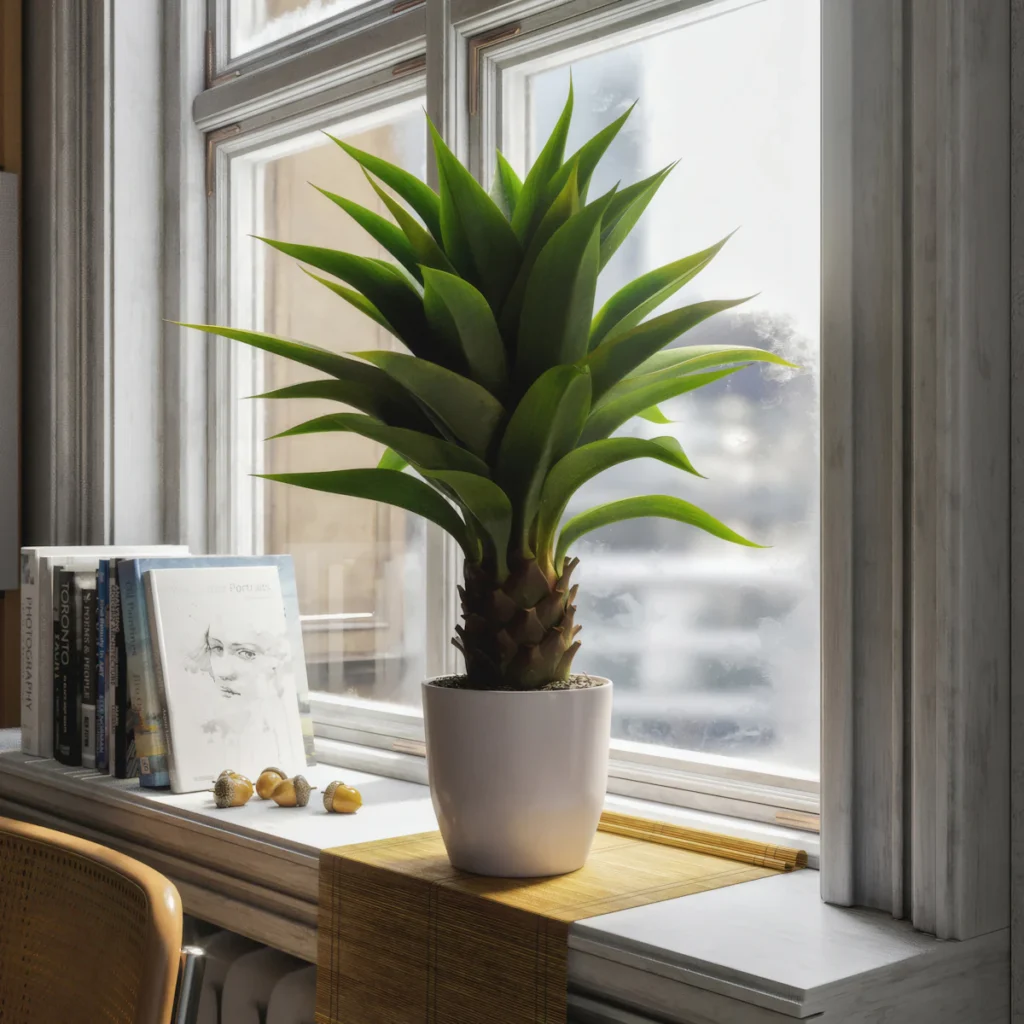
Good quarantine setups:
- A spare side table, bathroom shelf with a window, or guest-room sill—not the crowded plant wall
- A tray or saucer that belongs only to this plant during quarantine
- Enough light so the plant does not crash from darkness while you wait (match the care needs; do not “punish” it in a closet)
- Optional: a clear storage bin or simple barrier if space is tight—leave the top open or vented so humidity does not trap fungus issues
Avoid parking the new plant directly under or against a prized specimen “just for a few days.” Mites and soft-bodied insects do not need a long commute.
Day-One Inspection Checklist
Direct answer: On arrival day, check undersides, joints, stems, soil surface, and the pot rim—then wipe what you can safely wipe before the plant settles into quarantine.
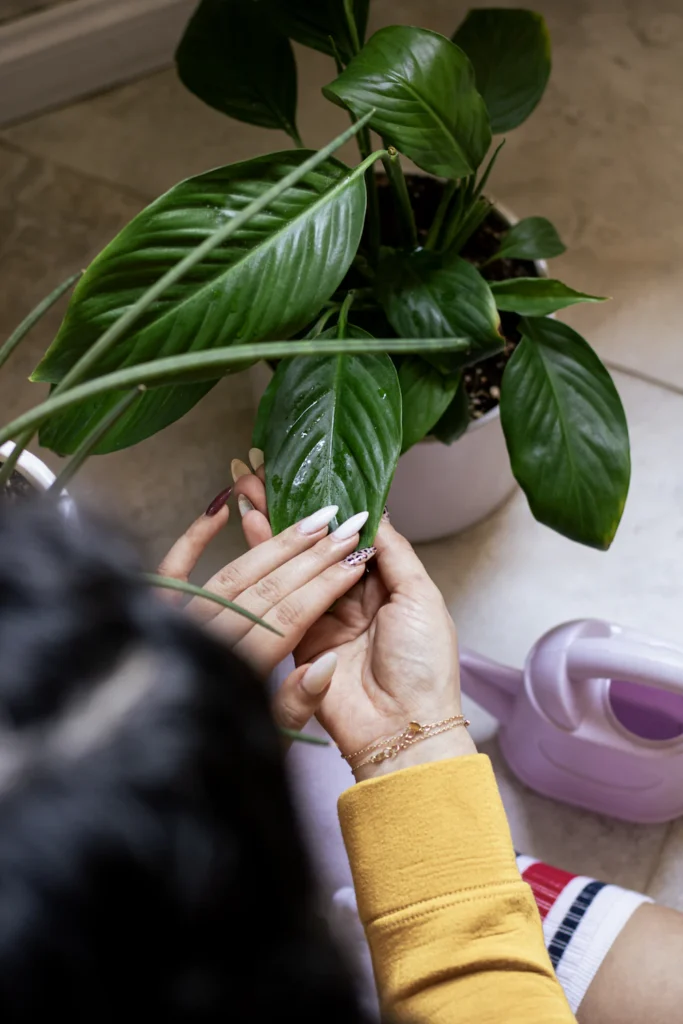
- Leaf undersides: Look for stippling, tiny moving dots, cottony clumps, sticky shine, or yellow freckles.
- Leaf joints and growing tips: Mealybugs and aphids love soft new growth and axils.
- Stems and petioles: Scale looks like bumps that do not wipe off like dirt; scrape carefully with a fingernail or soft tool to test if it is a pest.
- Soil surface and drainage holes: Fungus gnats hover; larvae live in wet organic mix. Shore flies and springtails also show up in constantly damp pots.
- Pot and saucer: Wipe the outside; nursery dust and hitchhiking snails or eggs sometimes ride along.
- Paper tap test (optional but useful): Hold white paper under a leaf and tap—moving pepper-like specks suggest mites (see the spider mites guide).
| What you see | Likely issue | First move while still quarantined |
|---|---|---|
| Fine pale stippling; tiny moving dots; later silk | Spider mites | Isolate (already), wipe, rinse if sturdy, gentle contact spray on a schedule |
| White cottony clumps in axils | Mealybugs | Dab with alcohol on a swab; wipe; repeat; keep isolated |
| Clusters of soft green/black/orange insects on tips | Aphids | Rinse or wipe; insecticidal soap as labeled; re-check neighbors you already own separately |
| Brown/tan bumps stuck to stems | Scale | Manual removal + labeled oil/soap program; quarantine longer |
| Tiny flies rising from wet soil | Fungus gnats | Let the top mix dry more; improve drainage; yellow sticky cards optional |
| Soft yellowing + heavy wet pot | Water stress / possible root issues | Pause watering; check roots if needed via root rot signs and rescue |
Yellow leaves alone do not prove pests. Soft wet yellowing with a heavy pot points to watering and roots first—use why houseplant leaves turn yellow and the houseplant watering guide. Quarantine still helps: stressed plants are more vulnerable, and you can fix care without risking the shelf.
How to Care for a Plant During Quarantine
Direct answer: Give normal light and sensible watering for that species; do not overwater from guilt, and do not skip checks because the plant “looks fine from across the room.”
- Light: Match the plant’s needs (bright indirect for many tropicals; brighter for sun lovers). Quarantine is not a dark closet sentence.
- Water: Check the mix with a finger or moisture meter habit—same rules as usual. New nursery mixes often stay wet longer in decorative cachepots without drainage.
- Humidity and airflow: Gentle room air helps; stagnant, steamy corners encourage fungus gnats and foliar disease.
- Tools: Use a dedicated wipe cloth for the quarantine plant, or wash cloths hot between uses. Do not prune your old plants with the same unwashed scissors you just used on sticky new growth.
- Fertilizer: Skip heavy feeding in the first week if the plant is stressed from shipping. Settle roots and pests first.
If you need to repot because the nursery pot is collapsing or roots are circling badly, you can repot during quarantine—prefer doing it in the quarantine zone so soil debris stays contained. See how to repot a houseplant for the steps.
What If You Find Pests During Quarantine?
Direct answer: Keep the plant isolated, remove as many pests as you can by hand, then run a short repeat treatment plan until live pests disappear—only then move it to the main group.
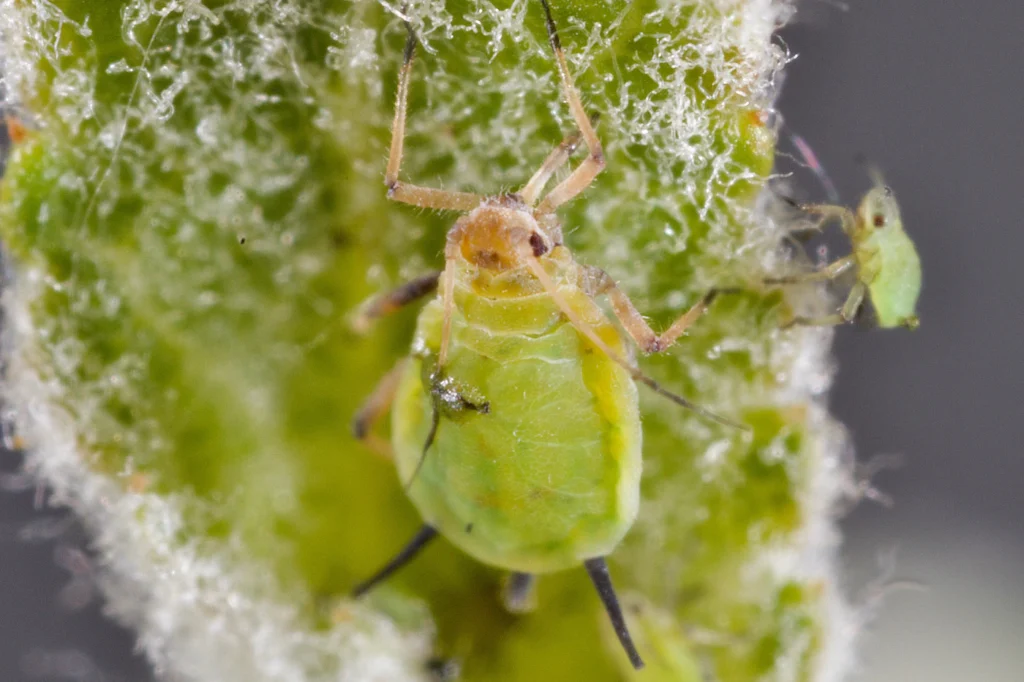
- Confirm ID with the pests hub and species articles (mites vs mealybugs vs aphids look different and need the right focus).
- Mechanical first: Wipe leaves, rinse sturdy foliage in lukewarm water, prune heavily infested leaves into a bag (not open indoor compost).
- Labeled gentle products: Insecticidal soap, horticultural oil, or neem products used as directed—coverage on undersides matters more than brand names.
- Repeat: Eggs hatch; one wipe is rarely enough. Plan several days between applications as the label allows.
- Re-inspect: No live pests on two consecutive careful checks before “graduation” from quarantine.
Finding pests in quarantine is a success story, not a failure. You caught the problem while it was still one plant.
When Can the Plant Join the Collection?
Direct answer: Graduate the plant when the quarantine window is done and inspections show clean undersides, no sticky residue, no webbing, and no new pest signs after any treatment.
- Completed 7–14 days (or longer after treatment)
- Leaf undersides checked in good light
- Soil surface free of gnat clouds when you water
- No unexplained sticky film on leaves below feeding sites
- Growth looks stable enough that you are not confusing shipping stress with pest damage
Place it with a little breathing room at first—touching canopies still spread pests later. Keep the habit of flipping a few leaves when you water; quarantine is a gate, not a lifetime guarantee.
Special Cases: Cuttings, Outdoor Summer Plants, and Gifts
Direct answer: Quarantine applies to cuttings, patio plants coming indoors, and gifted plants—not only store purchases.
- Cuttings and trade plants: Shorter plants still carry mites and mealybugs. Root them in the quarantine zone when you can.
- Outdoor plants coming inside for fall: Inspect aggressively—outdoor aphids, mites, and soil insects hitchhike easily. A thorough rinse and a longer watch period pay off.
- Gifts and impulse buys: Same rules. Sentiment does not cancel eggs.
- Bare-root or semi-hydro transfers: Still inspect foliage; soil pests may be reduced, but mites and mealybugs live on leaves.
Quick Answers: Quarantine New Houseplants
Do I need a separate room? No. You need physical separation so leaves do not touch and tools are not casually shared. A distant shelf or spare table is enough for most homes.
Is one week enough? Often for obvious crawlers. Two weeks is safer for mites and slow-building colonies. Extend if you treated mid-quarantine.
Should I spray every new plant “just in case”? Not blindly. Inspect first. Preventive sprays on clean plants can burn leaves and hide whether a problem was ever there. Treat what you find.
What if I have no spare space? Maximize distance and use a tray barrier. Even imperfect quarantine is better than immediate shelf contact.
Can pests arrive later than two weeks? Yes—eggs and missed spots happen. Quarantine lowers the odds; monthly underside checks keep risk low afterward.
Calm Next Steps
Set a 1–2 week quarantine spot with proper light. Inspect on day one with the checklist above. Wipe, water wisely, and re-check undersides every few days. If pests appear, stay isolated and treat using the common houseplant pests map and the spider mites treatment path when stippling shows up. Graduate only when checks stay clean. Indoor Plants, Made Simple—catch hitchhikers early, keep the shelf calm.