Quick answer: Dawn and other dish soaps are detergents, not true insecticidal soaps, so they’re a risky choice for houseplants. A very dilute dish soap spray can kill some soft-bodied pests on contact, but it can also strip the protective wax from leaves and cause burn, and recipes vary so much that results are unpredictable. University extension programs such as UC IPM advise using a commercial insecticidal soap (potassium salts of fatty acids) made for plants instead. If you do try dish soap, keep it very dilute, test one leaf first and wait a day or two, never spray a stressed plant or one in heat or strong sun, and rinse the leaves with plain water a couple of hours later.
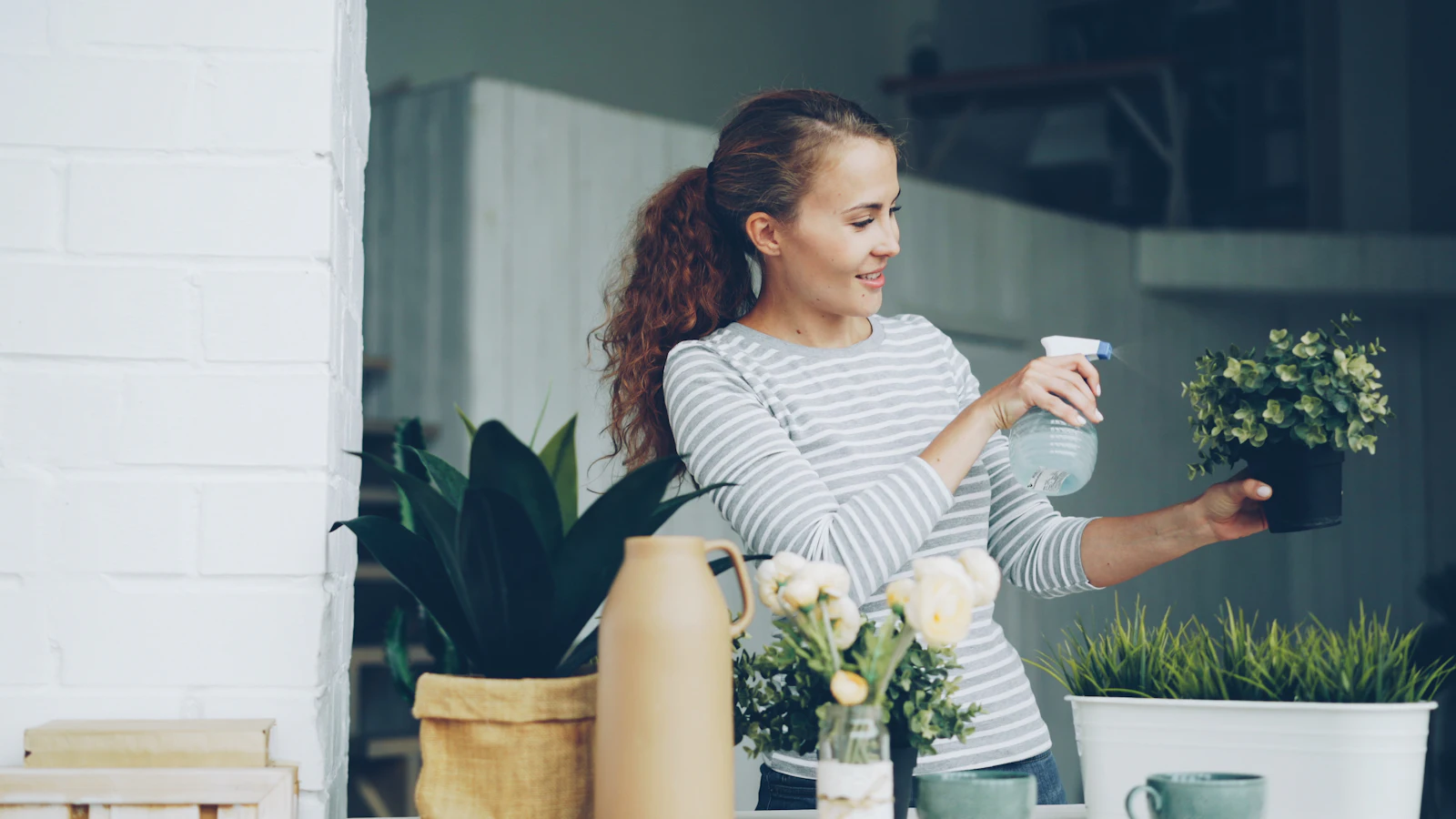
Search for any houseplant pest and you’ll find the same tip within seconds: “Just mix a little Dawn with water.” It’s cheap, it’s already by the sink, and it sounds gentle. The problem is that “a little” ranges from a teaspoon per quart to a quarter cup, depending on who’s writing, and the bottle was designed to cut grease off pans, not to sit on living leaves.
This guide explains what dish soap actually does to pests and to plants, when it’s a bad idea, and what to do instead. It doesn’t replace a full pest guide: if you still need to figure out what’s on your plant, start with our guide to identifying common houseplant pests.
Dish soap vs insecticidal soap: what’s the difference?
Most liquid dish “soaps,” Dawn included, are synthetic detergents built to dissolve grease. Many also contain fragrances, dyes, preservatives and thickeners. A true insecticidal soap is a registered pesticide whose active ingredient is potassium salts of fatty acids, made at a consistent strength and tested on plants.
Both work the same basic way on insects: they have to coat a soft-bodied pest directly to kill it, by disrupting its outer layer. Neither leaves any lasting protection once it dries. The difference is what happens to the leaf. UC’s Statewide IPM Program notes that dish soap, as a powerful detergent, can injure plants by stripping the waxy layer off the leaves. That wax (the cuticle) is what keeps leaves from losing water and resisting damage, so stripping it can leave scorched edges, spots or yellowing a few days later.
| Question | Dish soap (e.g. Dawn) | Insecticidal soap |
|---|---|---|
| What is it? | A detergent and degreaser for dishes | A registered pesticide made from potassium salts of fatty acids |
| Strength | Depends on the recipe; home recipes vary widely | Fixed by the manufacturer (University of Florida IFAS notes registered products are usually only 1–2% soap) |
| Risk to leaves | Higher: can strip the leaf’s waxy coating | Lower when used as the label directs, though any soap can injure plants if misused |
| Instructions | None for plants | Label lists target pests, sensitive plants and how often to repeat |
| Best use | Not recommended as a plant spray | Contact control of soft-bodied pests like mites, aphids, mealybugs and whiteflies |
Will Dawn dish soap kill houseplant pests?
Sometimes, on contact, but it’s not a reliable treatment, and it’s the plant that takes the risk.
Will Dawn dish soap kill spider mites?
A soap solution can kill the mites it actually wets, but spider mites hide on leaf undersides, inside fine webbing and in leaf joints, and their eggs keep hatching after you spray. That’s why one spray never solves the problem and why repeated applications are needed. Repeating a detergent spray every few days is exactly how leaf damage builds up. For a step-by-step plan that uses wiping, rinsing and a labeled product, see how to treat spider mites on houseplants.
Will Dawn dish soap kill fungus gnats?
Not where it matters. The adults you see flying are short-lived; the larvae live in the top layer of wet soil. A bowl of water with a drop of soap can drown a few adults, but pouring dish soap through the potting mix can harm roots and doesn’t reliably reach eggs or larvae. Drying out the soil surface and treating the larvae works far better. Our guide to breaking the fungus gnat life cycle walks through it.
What about aphids, mealybugs and scale?
Aphids and young mealybugs are soft-bodied, so soap sprays can work on them when coverage is thorough. Waxy mealybug clusters and armored scale shed water, so a spray alone usually misses them; dabbing them off by hand comes first. In every case, a commercial insecticidal soap gives you the same contact action with a known strength.
Is it safe to wash plants with Dawn dish soap?
For most cleaning jobs, you don’t need soap at all. Dust and most sticky residue come off with a soft cloth dampened in lukewarm water, or a gentle lukewarm shower for sturdy plants. Support the soil with your hand or a bag so it doesn’t wash out, and let the pot drain fully afterwards.
If residue won’t budge, a very weak soapy wipe followed straight away by a plain-water wipe is lower risk than spraying the whole plant and leaving the solution on. Avoid washing fuzzy-leaved plants with soap, since the hairs trap residue, and skip it entirely on any plant that’s already stressed.
If you still use dish soap: how to reduce the risk
Extension services recommend against homemade sprays, so the safest choice is a product made for plants. If you decide to try dish soap anyway, these steps cut the risk of leaf burn.
- Keep it very dilute. Registered insecticidal soaps are typically only 1–2% soap, and a UC Cooperative Extension fact sheet notes that diluting below label strength reduces plant injury. Don’t go stronger than 1%, which is about 2 teaspoons per quart (10 ml per liter) of water. Use a plain, unscented formula without degreaser “boosters,” bleach or antibacterial additives.
- Do a spot test. Spray one or two leaves only, then wait a day or two before treating the rest. Look for brown edges, translucent or dark spots, or yellowing.
- Check the conditions. University of Florida IFAS advises never treating plants with soap when they’re under drought stress, in excessive humidity, or in heat above 90°F (32°C). Water a dry plant the day before, and keep it out of direct sun until the leaves dry.
- Coat the pests, not just the top of the leaf. Soap only kills what it touches. Spray leaf undersides, stems and leaf joints until wet, but not dripping into the soil.
- Rinse afterwards. The same UC fact sheet suggests washing plants within a couple of hours of applying a soap spray to reduce leaf injury. A plain lukewarm rinse removes residue after the soap has had its contact time.
- Limit repeats. Leaf damage can add up with repeated exposure. If you need more than one or two rounds, switch to a product labeled for houseplants and follow its schedule.
Signs of soap damage on houseplants
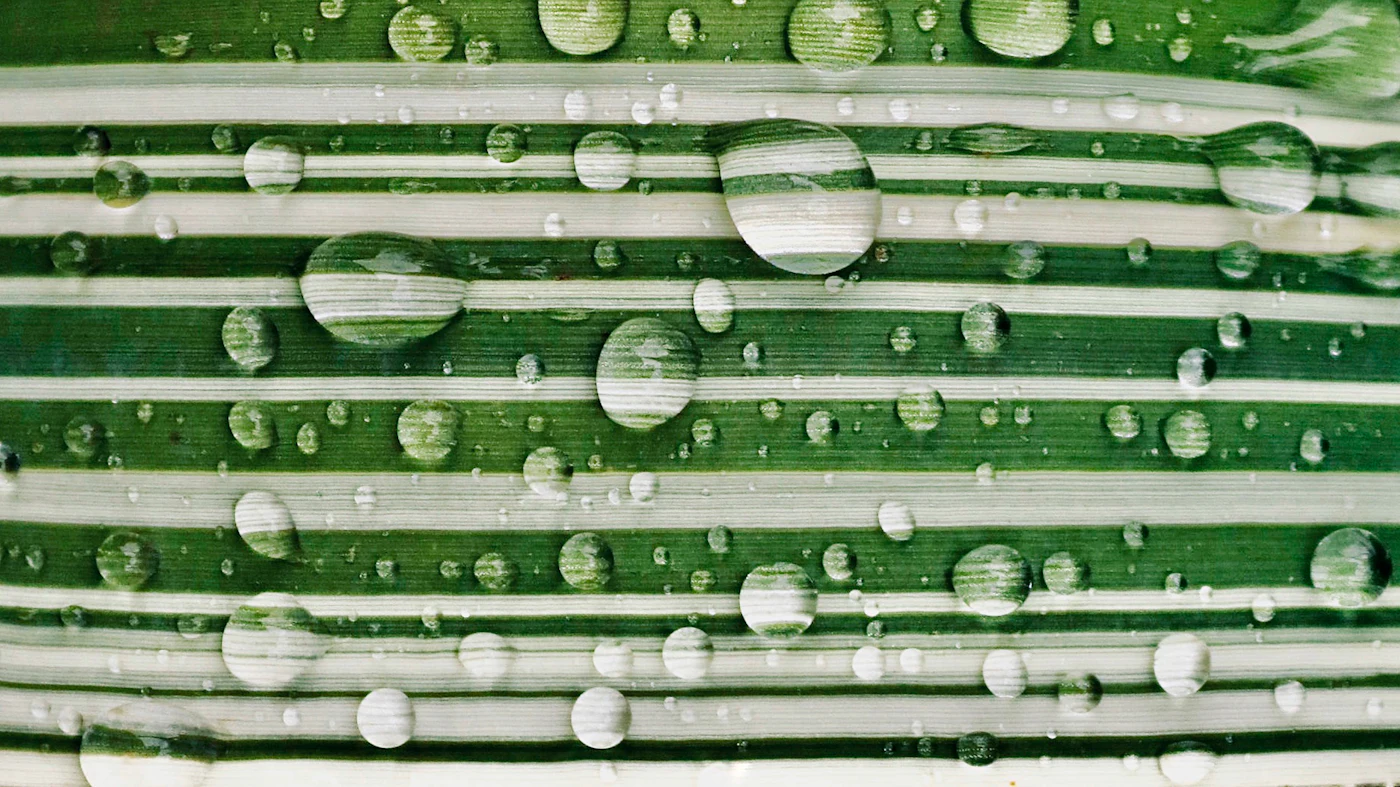
Soap injury usually shows up within a few days of spraying. Watch for:
- Brown or crispy leaf edges and tips, especially where droplets collected
- Translucent, water-soaked or dark spots
- Yellowing on the leaves that were sprayed but not on new growth
- A dull, rough or sticky leaf surface that won’t wipe clean
If you see these, rinse the plant gently with plain water, move it out of strong light for a few days, and don’t spray again. Damaged leaves won’t turn green again, but the plant will usually replace them if the roots are healthy. If you’re not sure whether the browning is from soap or something else, our guide to brown tips on houseplant leaves covers the other common causes.
When not to use any soap spray
- On a stressed plant. Freshly repotted, wilting, very dry or recently moved plants are more easily burned. Let them recover first; see how to help a plant through transplant shock.
- In heat or direct sun. Wet, soapy leaves in a hot, bright window are the classic recipe for scorching.
- On species listed as sensitive. Commercial insecticidal soap labels list plants known to be sensitive to soap; check yours before treating, and be extra careful with delicate or fuzzy leaves.
- As a soil drench. Soap belongs on pests on the foliage, not in the root zone.
- Mixed with other “home remedies.” Adding vinegar, alcohol, oils or bleach makes the mix harder to predict and more likely to damage leaves.
Better first steps than any spray
Most indoor pest problems are smaller than they look if you catch them early. Before reaching for any spray:
- Isolate the plant so pests don’t spread to its neighbors. Our houseplant quarantine guide explains how long and what to check.
- Remove pests by hand: wipe both sides of each leaf with a damp cloth, rinse sturdy foliage under lukewarm water, and prune badly infested leaves into a sealed bag.
- Identify the pest, because fungus gnats need a soil approach while mites, aphids and mealybugs need contact on the leaves.
- Use a product made for plants, such as insecticidal soap, horticultural oil or a neem-based product labeled for houseplants, and repeat on the schedule the label gives.
- Fix the conditions that invited the pest. Constantly wet soil feeds fungus gnats, so review how and when to water houseplants.
FAQ: Dawn dish soap and houseplants
Is Dawn dish soap safe for plants?
Not reliably. It’s a detergent that can strip the protective wax from leaves, and its strength in home recipes varies a lot. A commercial insecticidal soap made for plants is the safer option. If you use Dawn, keep it very dilute, spot test first and rinse afterwards.
How much Dawn dish soap per gallon of water for plants?
There’s no tested, recommended rate, which is part of the problem: published home recipes range from about a teaspoon per quart to a quarter cup. For reference, registered insecticidal soaps are usually 1–2% soap. If you try dish soap anyway, don’t go above 1% (about 2½ tablespoons per gallon, or 2 teaspoons per quart), and always test one leaf first.
Is insecticidal soap the same as dish soap?
No. Insecticidal soap is a registered pesticide made from potassium salts of fatty acids, sold at a fixed strength with instructions and a sensitive-plant list. Dish soap is a cleaning detergent with extra ingredients that were never tested on plants.
Can I use Dawn on my plants to kill bugs?
It may kill soft-bodied bugs it coats directly, but it won’t protect the plant once it dries and it can damage leaves. Hand removal plus a labeled insecticidal soap or oil is more effective and gentler.
Will soapy water hurt my plant’s soil or roots?
It can. Pouring dish soap through the soil puts detergent in direct contact with the roots and soil life, and it doesn’t solve soil pests like fungus gnats. Keep any soap spray on the foliage and away from the potting mix.
Should I rinse my plant after spraying soap?
Yes. Rinsing with plain lukewarm water a couple of hours after a soap spray lowers the risk of leaf injury while still giving the soap time to work on contact.
Sources
- UC Statewide IPM Program, Less Toxic Insecticides
- UC ANR, The Dangers of Homemade Pest Control Remedies
- University of Florida IFAS Gardening Solutions, Soaps, Detergents and Pest Management
- UC Cooperative Extension, Soap Sprays as Insecticides (PDF)