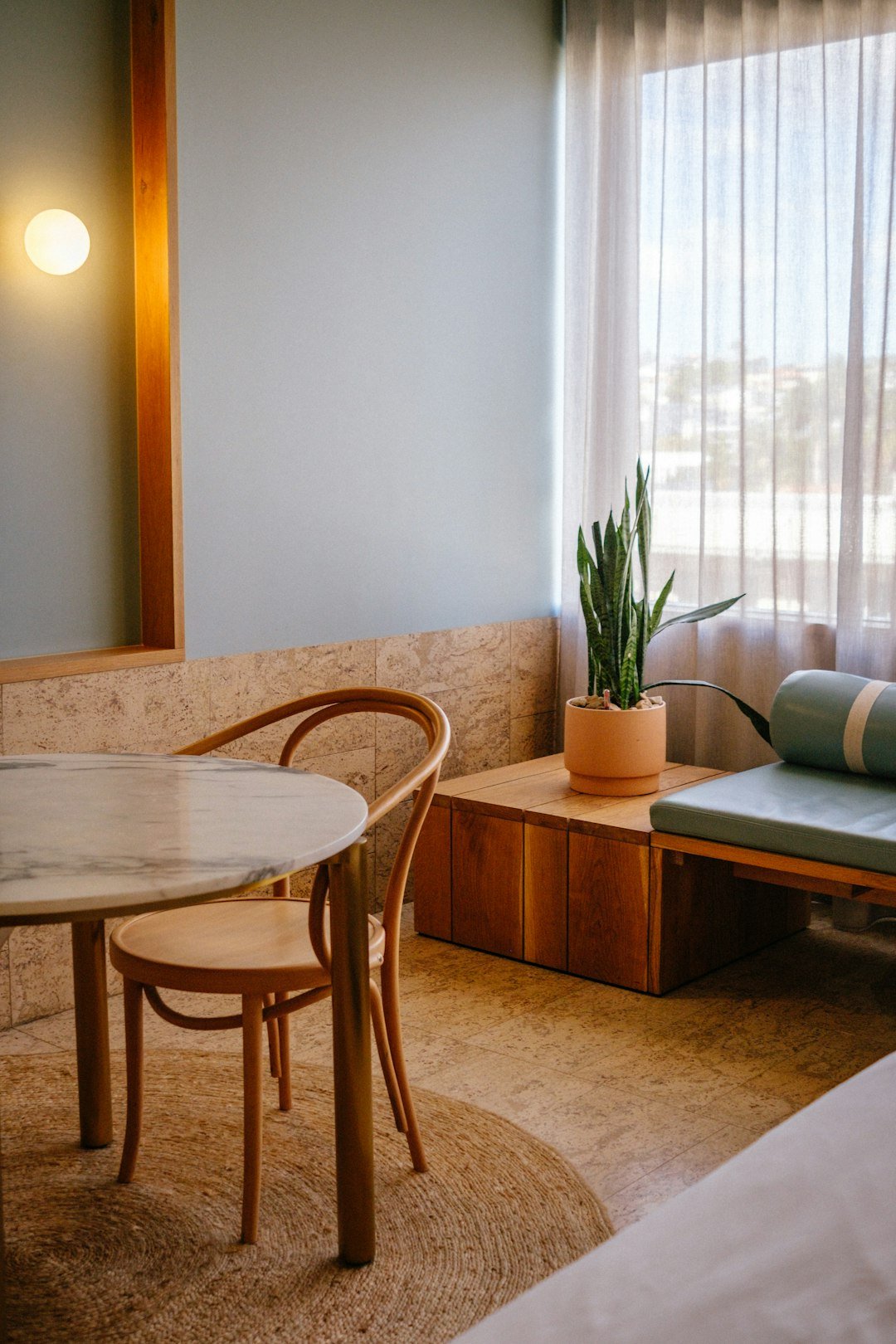
Snake plant care is straightforward when you get three things right: light, drainage, and watering. Dracaena trifasciata, formerly classified as Sansevieria trifasciata, is adapted to relatively dry conditions, but it is not maintenance-free. The biggest beginner mistake is usually keeping the potting mix wet for too long.
Snake plant light requirements
Snake plants tolerate a broad range of indoor light, from lower light to bright indirect light. Growth is usually stronger in better light, while very dim locations can slow growth considerably. Avoid assuming that “low light” means darkness: a room without usable light will eventually need a grow light.
How often should you water a snake plant?
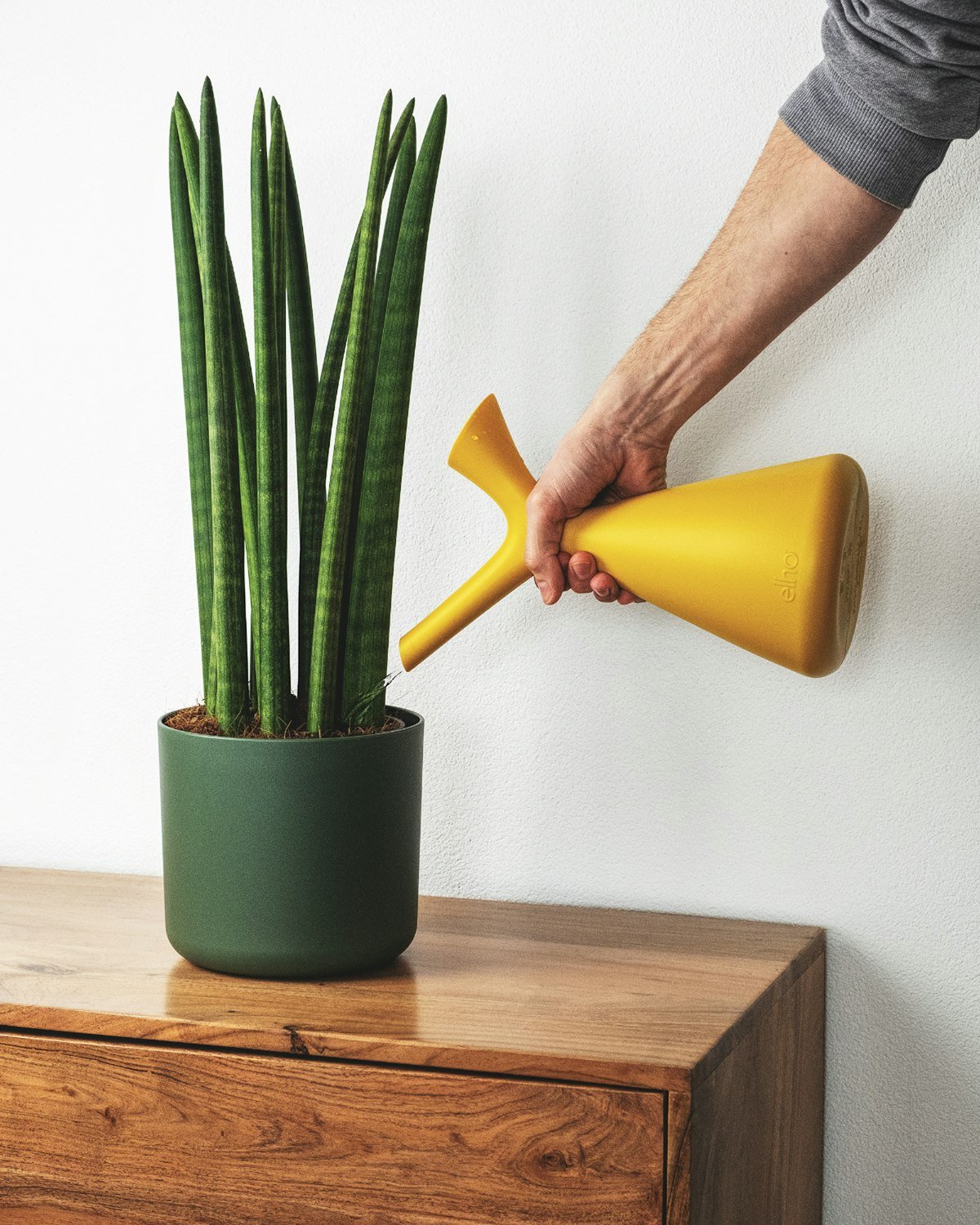
Do not water by a fixed calendar. Check the potting mix and allow it to dry substantially between waterings. A plant in bright light and a porous pot may dry faster than one in a cool, dim room.
- Check moisture before adding water.
- Water thoroughly when the mix is appropriately dry.
- Let excess water drain completely.
- Empty standing water from a saucer or cachepot.
Choose the right soil and pot
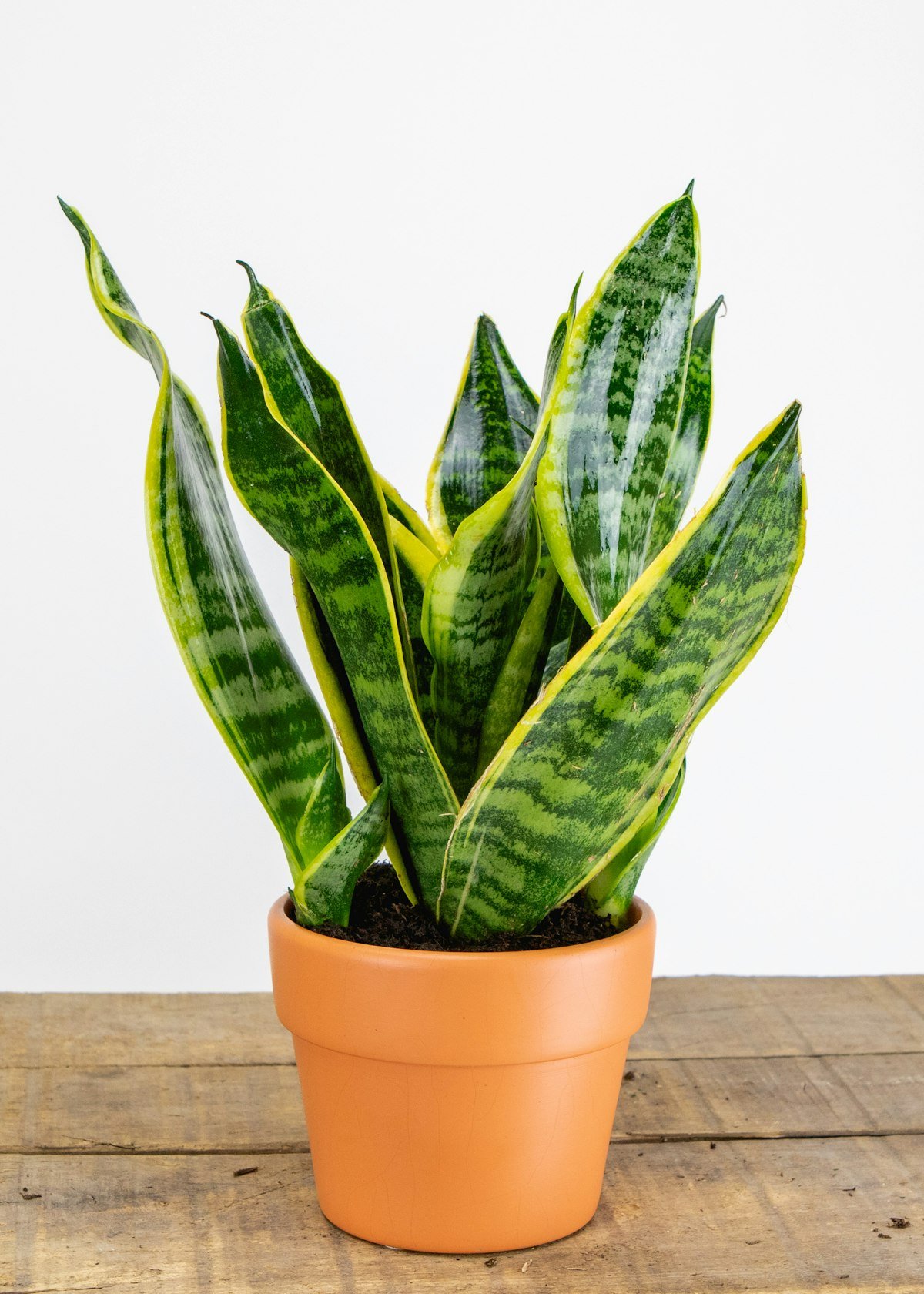
Snake plants benefit from a free-draining growing medium and a container with drainage holes. A dense, water-retentive mix combined with a large pot can keep roots wet for too long. A pot should be appropriately sized rather than dramatically oversized.
Repotting a snake plant
Repot when the plant has outgrown its container, the root system is severely crowded, or the growing medium has broken down and drainage has deteriorated. Move up only as much as necessary and use fresh, well-draining mix. Repotting is also an opportunity to inspect the roots for signs of persistent moisture problems.
Common snake plant problems
Soft or mushy leaves
Soft leaves can indicate excessive moisture or root problems. Check the growing medium, drainage, and roots rather than adding more water.
Wrinkled or curling leaves
Wrinkling can occur when a plant is too dry, but it can also have other causes. Check the soil moisture and the overall condition of the plant before changing your routine.
Yellow leaves
Yellowing is a symptom rather than a diagnosis. Persistent wet soil, root stress, aging leaves, light changes, and other issues can contribute. Inspect the growing conditions as a whole.
A simple weekly care check
- Look at the leaves for new changes.
- Check the potting mix before watering.
- Confirm that the drainage hole is not blocked.
- Rotate the plant if light is strongly uneven.
- Remove dead or damaged foliage with clean tools.
For the wider principles behind indoor plant care, see our indoor plant care guide. If watering is your main challenge, use our houseplant watering tips as a companion resource.
Frequently asked questions
Can snake plants live in low light?
Yes, they can tolerate relatively low light, although growth may be slower. They still require usable light and will not thrive indefinitely in complete darkness.
Should I mist a snake plant?
Regular misting is generally unnecessary. Focus instead on appropriate light, drainage, and watering.
Does a snake plant need a drainage hole?
A drainage hole is strongly preferable because it allows excess water to leave the root zone. If a decorative cachepot has no hole, keep the plant in a separate draining nursery pot.
Final takeaway
The simplest snake plant routine is also the most reliable: provide usable light, use a well-draining container and mix, let the growing medium dry substantially between waterings, and investigate symptoms before reacting. Consistency matters more than a rigid schedule.
Pingback: How to Repot a Houseplant: Step-by-Step Guide
Pingback: 10 Indoor Plants That Purify Air: 2026 Guide
Pingback: Snake Plant vs ZZ Plant for Low-Light Apartments
Pingback: Low-Light Plants for Minimalist Apartments: 5 Easy Choices