Quick answer: Fungus gnats in houseplants are tiny dark flies that breed in potting mix that stays wet. To get rid of them, let the top 1–2 inches of soil dry out between waterings, catch the adults with yellow sticky traps, and treat the larvae in the soil with a Bti product (sold as Mosquito Bits or Gnatrol) every 5 days or so for about 3 weeks. Drying the soil is the step that actually ends the cycle; traps alone never will.
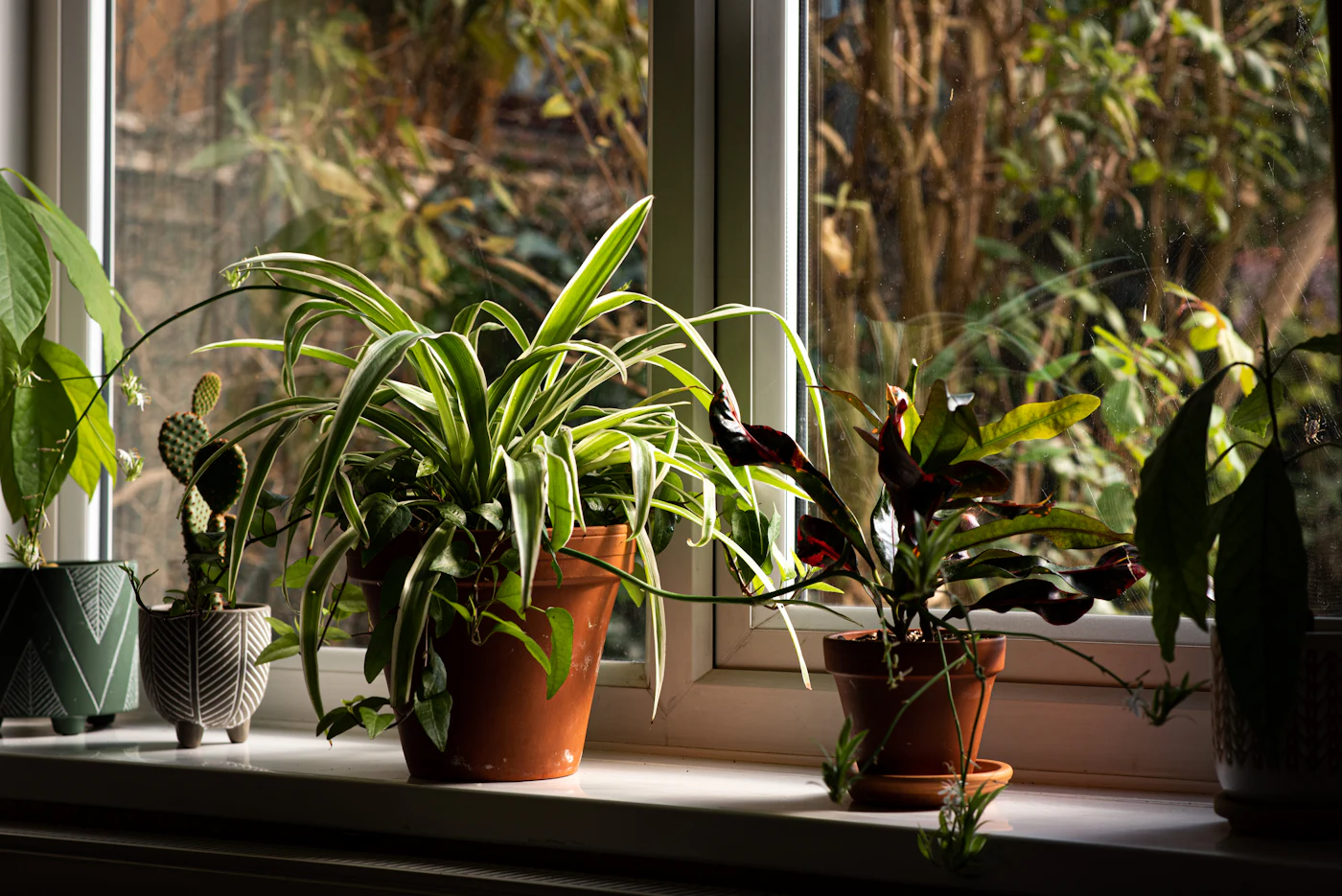
If you water a pot and a few small black flies drift up from the soil, you’re almost certainly looking at fungus gnats. They’re one of the most common indoor plant pests, and they tend to appear in fall, when plants come back indoors and soil dries more slowly. The good news: they’re mostly a nuisance, and a calm, three-part plan (soil moisture, adults, larvae) clears them up in a few weeks. This guide shows you how to confirm what you have, why one spray never works, and exactly what to do, in order.
Fungus Gnats vs Fruit Flies: How to Tell Them Apart
Direct answer: Fungus gnats are dark, slender, mosquito-like flies that hover near soil and pots. Fruit flies are tan with red eyes and gather around fruit, drains, and trash.
Adult fungus gnats are small, usually about 1/16 to 1/8 inch (roughly 2–3 mm) long, gray to black, with long legs, long antennae, and clear or light-gray wings. They fly weakly, so they stay close to plants, run across the soil surface, and often end up on nearby windows because they’re drawn to light. Their larvae live in the potting mix: legless, whitish to almost clear, with a shiny black head.
| Clue | Fungus gnats | Fruit flies |
|---|---|---|
| Color and shape | Gray to black, slender, long legs and antennae | Tan or light brown, rounder body, red eyes |
| Where they gather | Soil surface, pots, saucers, nearby windows | Fruit bowls, compost bins, sinks, trash |
| How they fly | Weak, short hops close to the soil | Quicker, darting around the kitchen |
| Link to watering | Strong: more flies a day or two after watering | None: tied to food waste |
If you’re also seeing yellow leaves, check the pattern with our guide to why houseplant leaves turn yellow. Gnats and yellowing often share the same cause: soil that stays wet too long. For other pests that look different (webbing, cottony clusters, sticky leaves), see common houseplant pests and how to treat them.
The Fungus Gnat Life Cycle (and Why One Spray Never Works)
Direct answer: Fungus gnats go from egg to egg-laying adult in about 17 days at 75°F (24°C), and a bit longer in a cool room. Eggs, larvae, and pupae all live in the soil, so killing only the flying adults leaves the next generation ready to hatch.
According to the University of California’s IPM program, at 75°F eggs hatch in about 3 days, larvae feed for about 10 days, and adults emerge from the pupae about 4 days later. Generations overlap, so at any moment a pot can hold all four stages.
- Eggs: laid in the top layer of moist potting mix or organic debris. You won’t see them.
- Larvae: the stage that matters for your plant. They eat fungi and decaying organic matter, and they also chew root hairs and tender roots, which is why seedlings, cuttings, and plants with already-soft roots suffer most.
- Pupae: a short resting stage in the soil.
- Adults: live about a week. They don’t bite people or chew leaves; their job is to mate and lay more eggs.
Every stage needs moisture. That’s the lever: keep the top of the soil dry and the eggs and young larvae don’t survive, no matter how many adults are flying around today.
Why You Have Fungus Gnats: Causes, Signs, and Fixes
Direct answer: Almost every fungus gnat problem comes back to wet, organic soil. Find which version of “too wet” applies to your plant and fix that first.
| Cause | Sign | Solution |
|---|---|---|
| Watering on a schedule | Soil is still damp an inch down when you water again | Water only when the top 1–2 inches are dry; check with a finger or a wooden skewer |
| Pot too big for the roots | Mix stays wet for a week or more after watering | Move to a pot only 1–2 inches wider than the root ball at the next repot |
| No drainage, or water left in the saucer or cachepot | Standing water under the pot; sour smell | Use pots with drainage holes and empty saucers 15–30 minutes after watering |
| Dense, peat-heavy or poorly composted mix | Mix looks dark and soggy; a green film on the surface | Repot into a fresh, airy mix with perlite or bark |
| Cool room, short days (fall and winter) | Gnats appear when the heating season starts and plants dry slowly | Stretch the time between waterings; growth slows, so plants need less |
| New or outdoor plants brought inside | Gnats show up a week or two after a new arrival | Isolate and inspect new plants first (see below) |
For a full walk-through on judging when to water, see our houseplant watering guide.
How to Get Rid of Fungus Gnats in Houseplants, Step by Step
Direct answer: Dry the soil, trap the adults, treat the larvae, and keep it up for at least 3 weeks so you outlast one full generation.
Step 1: Let the top of the soil dry out
Skip watering until the top 1–2 inches of mix are dry to the touch. For most common houseplants (pothos, snake plant, ZZ plant, monstera) this is safe and changes the soil from a nursery into a desert for eggs and young larvae. Empty every saucer and decorative outer pot. If the plant truly can’t dry out on top without wilting, water from the bottom: set the pot in a bowl of water for 15–20 minutes, then drain it, so the surface stays drier.
Step 2: Catch the adults with yellow sticky traps
Adult fungus gnats are attracted to yellow. Cut sticky cards into small squares, attach them to a skewer, and set them just above the soil in each affected pot. Traps reduce egg-laying and, just as useful, they show you whether numbers are going up or down. Replace them when they’re covered.
Step 3: Treat the larvae in the soil
This is the step most people skip. You have three realistic options:
- Bti (Bacillus thuringiensis subsp. israelensis): a naturally occurring bacterium that is toxic only to fly larvae such as mosquitoes and fungus gnats. Home products include Mosquito Bits and Gnatrol. Soak the bits in your watering water as the label directs and use that water for the affected pots. Bti doesn’t persist indoors, so repeat about every 5 days for roughly 3 weeks.
- Beneficial nematodes (Steinernema feltiae): microscopic worms that hunt larvae in the soil. They’re sold live by mail, must be applied right away, and can give longer-lasting control.
- Diluted hydrogen peroxide: a common home method is 1 part 3% hydrogen peroxide to 4 parts water, poured through the soil once it’s dry on top. It kills larvae it touches and fizzes harmlessly into water and oxygen, but research on it is limited and it does nothing once it’s gone, so treat it as a quick knock-down, not a cure.
Step 4: Clear what they feed on
Remove dead leaves and fallen debris from the soil surface. If the top layer is moldy or covered in a green film, scrape off the top half inch and replace it with fresh mix. A thin top dressing of coarse sand or fine grit can also make the surface less inviting for egg-laying.
Step 5: Check your progress with a potato slice
Press a chunk of raw potato, cut side down, into the soil surface. Fungus gnat larvae are attracted to it. After a few days, lift it and look for small white larvae with black heads underneath, then throw it away and replace it. Fewer larvae each time means your plan is working.
How long it takes
Expect to see adults for another 1–2 weeks, because pupae already in the soil keep hatching. If you keep the surface dry and treat the larvae, numbers usually drop sharply within 2–3 weeks. Still seeing plenty of gnats after a month? The soil is staying too wet somewhere, often in a big pot, a cachepot with hidden water, or a plant you’re still watering on a schedule.
Fungus Gnat Treatments Compared
| Method | Targets | How well it works | Notes |
|---|---|---|---|
| Drying the top 1–2 inches of soil | Eggs and young larvae | High, and it prevents a return | Free; the foundation of every other method |
| Yellow sticky traps | Adults | Moderate on its own | Best for monitoring; won’t clear the soil |
| Bti (Mosquito Bits, Gnatrol) | Larvae | High when repeated | Affects only fly larvae; repeat about every 5 days |
| Beneficial nematodes | Larvae | High, longer-lasting | Live product; apply as soon as it arrives |
| Hydrogen peroxide drench (1:4) | Larvae on contact | Short-term | Limited research; use on dry-ish soil, not as your only step |
| Repotting into fresh mix | All soil stages | High for badly infested pots | Worth it if the mix is old, soggy, or smells sour |
What Doesn’t Work Well
- Spraying the leaves with insecticide. The problem lives in the soil. Leaf sprays miss the larvae and can harm the beneficial insects you might add later.
- Spraying vinegar on the soil. Vinegar is acidic and can harm roots. A small dish of apple cider vinegar with a drop of soap can catch some adults, but it attracts fruit flies far better than fungus gnats.
- Drenching soil with dish soap. Dish soap is a detergent, not an insecticidal soap, and pouring it through the roots can damage them. It doesn’t reach eggs or pupae either.
- Cinnamon on the soil. It’s a popular tip, but there’s little evidence it controls fungus gnats. It won’t hurt, but don’t count on it.
- Watering more because the plant “looks thirsty”. Yellow or droopy leaves in wet soil usually mean too much water, not too little. Keep reading for root warning signs.
How to Keep Fungus Gnats From Coming Back
Direct answer: Water by soil feel instead of by calendar, use fast-draining mix in pots with holes, and check new plants before they join the rest.
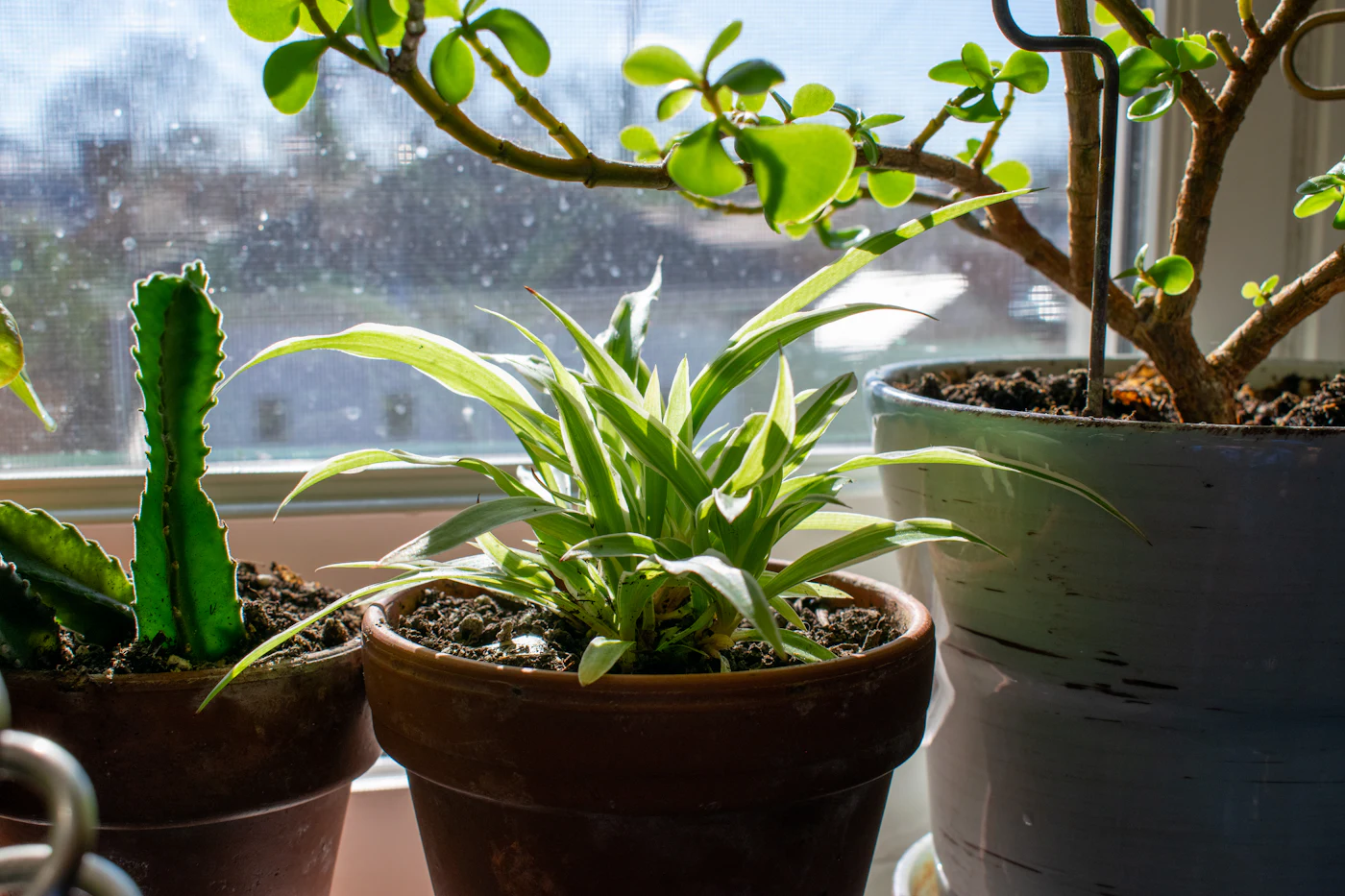
- Water when the plant needs it. Check the top 1–2 inches before every watering, and water less in fall and winter when light drops.
- Pick the right pot. Drainage holes, and only a little wider than the roots. Unglazed terracotta dries faster than plastic. Our step-by-step repotting guide covers sizing.
- Use fresh, well-draining mix. Store open bags of potting soil sealed and off the floor; an open, damp bag can become a breeding spot.
- Quarantine new arrivals. Keep new plants and plants coming in from outdoors apart for a few weeks. Here’s how to quarantine new houseplants and catch pests early.
- Grow plants that like to dry out. If gnats keep returning in one spot, a drought-tolerant plant such as a ZZ is far less inviting. See our ZZ plant care guide.
Can Fungus Gnats Hurt Your Plant?
Direct answer: Usually not much. A light infestation in an established plant is mostly a nuisance. Heavy larval numbers can damage the fine roots of seedlings, cuttings, and stressed plants.
The bigger warning is what the gnats are telling you: the soil is staying wet. If the plant is wilting even though the soil is damp, the lower leaves are yellowing, or the mix smells sour, check the roots. Brown, mushy roots point to root rot, which needs its own rescue plan; see houseplant root rot: signs, rescue steps, and when it’s too late.
Fungus Gnats FAQ
What kills fungus gnats but not plants?
Bti products (Mosquito Bits, Gnatrol) and beneficial Steinernema nematodes kill fungus gnat larvae without harming houseplants. Yellow sticky traps catch adults. Combined with letting the top of the soil dry out, these are the safest and most effective options.
Do fungus gnats mean I’m overwatering?
Most of the time, yes, or the soil can’t drain fast enough. Fungus gnats need moist potting mix to breed, so a lasting infestation is a strong sign the top of the soil rarely dries between waterings.
Can I spray vinegar to kill fungus gnats?
It’s not a good idea to spray vinegar on the soil or leaves; it’s acidic and can damage roots and foliage. A vinegar trap in a small dish may catch a few adults, but it does nothing about the larvae in the soil.
Will Dawn dish soap kill fungus gnats?
A bowl of water with a drop of dish soap can drown some adults, but drenching the soil with dish soap isn’t recommended: it’s a detergent that can harm roots, and it doesn’t reliably reach eggs or pupae. Use Bti for the larvae instead.
What do fungus gnats hate the most?
Dry soil. Fungus gnat eggs and young larvae can’t survive in a potting mix whose top layer dries out between waterings. A top dressing of coarse sand or grit and good drainage make pots even less attractive.
Are fungus gnats harmful to people or pets?
No. Fungus gnats don’t bite or sting, and they don’t spread disease to people. They’re an annoyance indoors and a root problem only for young or stressed plants.
How long does it take to get rid of fungus gnats?
Plan on about 3–4 weeks. One generation takes roughly 17 days in a warm room and longer in a cool one, so keep drying the soil and treating larvae until the sticky traps stay clean for a week or two.
Why do I have fungus gnats in winter?
Indoors they can breed all year. In fall and winter, plants use less water and soil dries more slowly, so the same watering routine that worked in summer leaves the mix wet enough for gnats.
Sources: University of California Statewide IPM Program, Pest Notes: Fungus Gnats; Colorado State University Extension, Fungus Gnats as Houseplant and Indoor Pests; University of Wisconsin–Madison Extension, Fungus Gnats and Shore Flies.