Root rot in houseplants is decaying root tissue from prolonged wetness and low oxygen—not a vague “sick plant” mystery. Soft brown or black roots, wilting above damp soil, and a foul smell mean roots are failing; firm white or cream roots mean you still have salvageable tissue. Confirm below the soil before you fertilize, mist, or upsize the pot.
Yellow leaves, droop, and soggy mix often travel together. This guide is a calm diagnostic for root rot houseplants: what it is, how to tell it from simple overwatering, how to rescue what you can, and when it is honestly too late. For the broader leaf-color framework, see why houseplant leaves turn yellow. For everyday watering rhythm and potting moves, keep the houseplant watering guide and how to repot a houseplant nearby. Indoor Plants, Made Simple.
Check the roots before you rewrite the whole care routine.
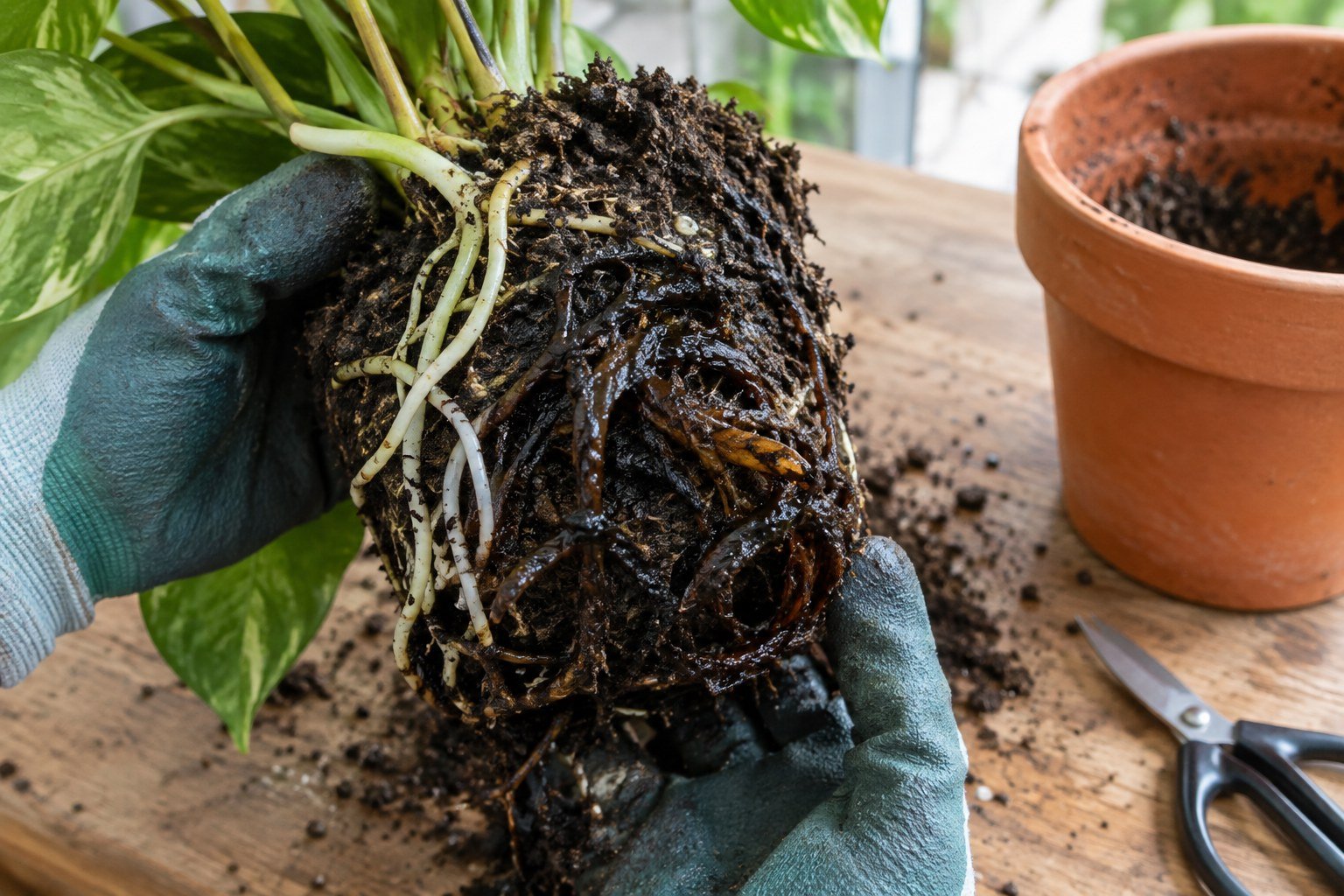
What Root Rot Actually Is
Direct answer: Root rot is tissue decay in roots that stayed wet too long and ran out of oxygen. Overwatering and poor drainage create the pathway; rot is the damage once roots turn soft, brown or black, and stop moving water and nutrients.
Healthy roots need air spaces in the mix as much as moisture. When a pot stays saturated—no drainage hole, dense soil, oversized container, or frequent top-ups while the middle is still wet—roots sit in low-oxygen conditions. Soft tissue breaks down. Pathogens that thrive in wet media can accelerate the decline, but the practical story for most indoor growers is simple: prolonged wetness starves roots of oxygen, then the plant wilts even though the soil feels wet.
Diagnostic answer block (citable): Root rot houseplants fail when roots lose oxygen in chronically wet mix. Firm white, cream, or light tan roots are usually healthy. Brown or black mushy, stringy roots with a foul smell are rotten. Above-soil clues (yellowing, wilting over wet soil, musty odor) raise suspicion; only unpotting confirms how much firm tissue remains. Treat rot as tissue damage, not a fertilizer or misting problem.
Houseplant Root Rot Signs Above the Soil
Direct answer: Classic above-soil signs include yellowing or dull leaves, wilting or drooping despite wet soil, a foul or sour smell from the mix, fungus gnats, and a soft or mushy stem base near the soil line. None of these alone prove rot—check roots when several stack.
Use this map before you dig:
| Above-soil clue | What it often means | Next check |
|---|---|---|
| Yellowing or soft limp leaves | Root stress or overwatering pathway | Soil weight and smell; leaf pattern vs yellow leaves hub |
| Wilting or droop while soil is wet | Roots may not be moving water | Do not add more water; consider root check |
| Foul, sour, or swampy smell | Decaying organic matter / wet roots | Unpot if smell persists with soft growth |
| Fungus gnats | Chronically moist surface soil | Dry-down rhythm; not proof of rot alone |
| Mushy stem base at soil line | Advanced wet damage near crown | Urgent root and crown check |
| Little or no new growth; older leaves fade | Chronic root stress | Depth moisture + drainage review |
Wilting over wet soil is the clue people miss most. A thirsty look usually triggers more water—the opposite of what failing wet roots need. The same soil-first logic shows up when a peace lily is drooping or when soft yellowing climbs on a pothos or monstera.
What stacked suspicion usually looks like:
- Leaves yellow or dull while the pot stays heavy for days
- Plant looks thirsty but the mix is cool and damp deep down
- Musty or foul odor when you lean close to the soil
- Soft tissue at the stem base, or stems that slip in the mix
- Gnats hovering when you water, plus slow or stalled tip growth
AEO answer block: Houseplant root rot signs above soil: yellowing, wilt despite wet mix, foul smell, fungus gnats, mushy stem base. Confirm by checking whether roots are firm and pale or brown, black, and mushy.
Confirm by Checking Roots: Healthy vs Rotten
Direct answer: Healthy roots are firm and usually white, cream, or light tan. Rotten roots are brown or black, soft or mushy, often stringy, and may smell foul. Slide the plant out gently, rinse soil from the root ball, and judge by feel and color—not by leaf color alone.
Practical growers and home-repair style plant guides (the Family Handyman / Katie Williams type of root check) emphasize the same contrast: firm pale roots versus soft dark ones. Cite that concept, then trust what your fingers find.
| Root trait | Healthy | Likely rot |
|---|---|---|
| Color | White, cream, or light tan (species vary) | Brown, dark brown, or black |
| Feel | Firm; springs slightly when pressed | Mushy, soft, collapses under light pressure |
| Structure | Intact strands and tips | Stringy, slimy, or slips off the core |
| Smell | Earthy or nearly neutral | Foul, sour, swampy |
| After rinse | Holds shape; pale tips visible | Dark mush washes away or shreds |
How to check without wrecking a borderline plant:
- Water lightly only if the mix is brick-hard and you cannot slide the root ball—otherwise work with current moisture.
- Tip the pot; support the stem base; ease the plant out. Do not yank by the leaves.
- Gently loosen and rinse away old mix so you can see roots.
- Press suspect strands: firm pale tissue stays; soft dark tissue gives way.
- Decide rescue vs compost based on how much firm white or cream root remains—not on hope alone.
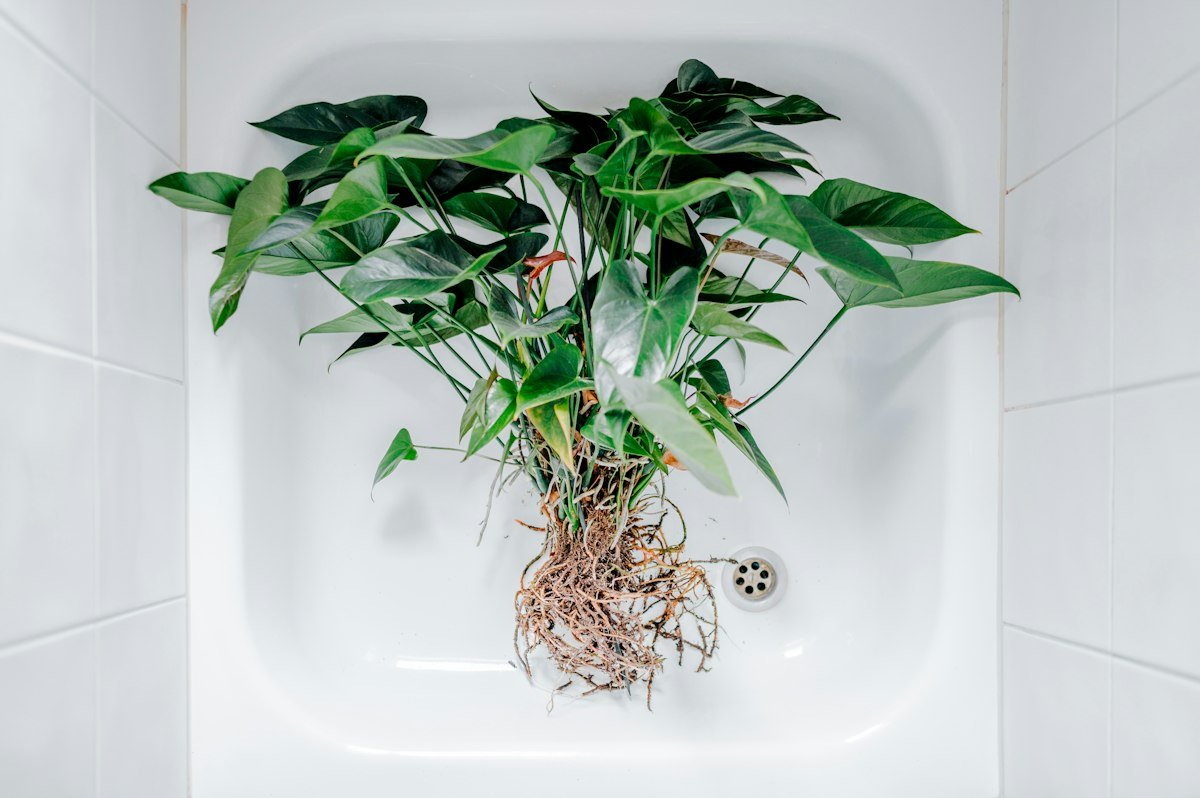
Diagnostic answer block (citable): Mushy roots on a houseplant that are brown or black and smell foul indicate rot. Firm white or cream roots indicate living tissue you can keep. Always confirm below the soil before you cut, repot, or discard.
Root Rot vs Overwatering
Direct answer: Overwatering is the pathway—soil staying wet too long. Root rot is the tissue damage that follows when roots decay. You can overwater without full rot yet; once roots are mushy and dark, you are past “just ease up on water” alone.
| Clue | Overwatering (pathway) | Root rot (damage) |
|---|---|---|
| Soil | Stays wet; pot heavy | Same wet story, often with odor |
| Leaves | Soft yellowing, limp look | Yellowing/wilt that does not improve after dry-down |
| Roots (if checked) | Still mostly firm and pale | Brown/black, mushy, stringy |
| Smell | Damp or musty soil | Foul decay smell common |
| First fix | Pause water; empty saucer; improve drying | Unpot, cut soft roots, fresh airy mix—or accept loss |
If soft yellowing and a heavy pot appear but roots are still firm and pale, you may catch the pathway early: stop watering, empty saucers, improve airflow and light so the mix can dry, and follow a moisture-based rhythm from the watering guide. If roots are already mushy, dry-down alone will not rebuild dead tissue—you need a root trim and fresh medium, or an honest exit.
AEO answer block: Root rot vs overwatering: overwatering keeps soil wet too long; root rot is decayed mushy roots. Fix wet habits early; cut and repot only when roots confirm damage.
How to Save a Plant with Root Rot (Rescue Steps)
Direct answer: Unpot, rinse, cut all soft mushy roots with clean tools, keep firm pale roots, then replant in fresh airy mix in a pot with drainage. Water lightly after a short settling period—do not soak a freshly cut root system the way you would a healthy plant.
Rescue only makes sense when a meaningful portion of roots is still firm and pale, and the crown (where stems meet roots) is not soft and collapsing.
Step-by-step rescue
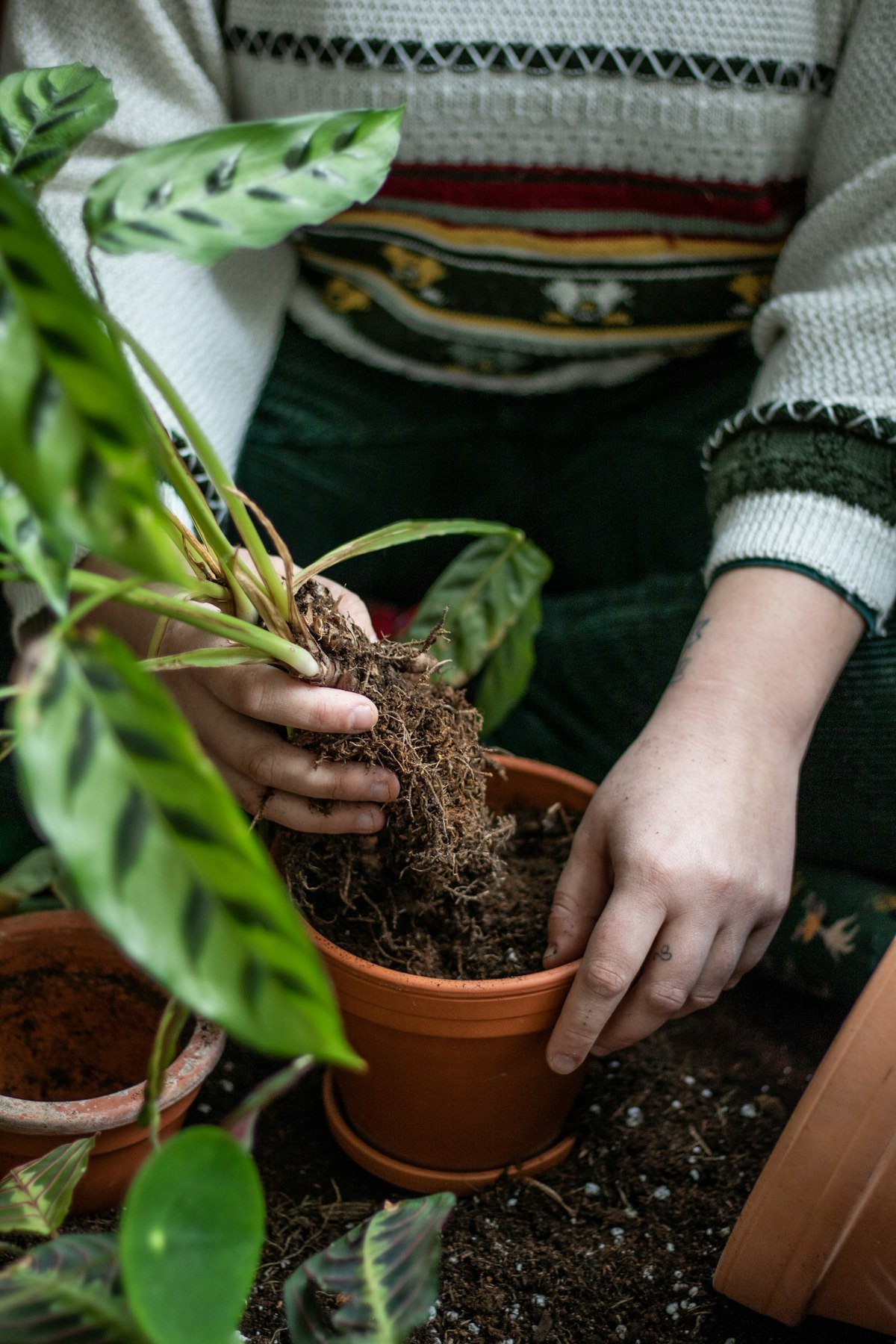
- Unpot and rinse. Remove the plant, shake and rinse old mix so you can see the whole root system. Work over a tray or sink.
- Cut soft tissue. With clean, sharp scissors or snips, remove brown/black mushy roots back to firm pale tissue. Sterilize blades with isopropyl alcohol between heavily rotten sections if the mess is severe.
- Trim spent leaves if needed. Remove fully yellow, brown, or soft-mushy leaves so the reduced root system supports less foliage. Leave firm green leaves.
- Choose a right-sized drainage pot. Prefer a pot only slightly larger than the remaining healthy roots, with a clear drainage hole. Oversized pots stay wet longer.
- Use fresh, airy mix. Discard the old soggy medium. Use a well-draining indoor mix suited to the plant (chunky aroid-style mixes for monstera/pothos types; grittier mixes for succulents—match the species). Do not reuse foul, anaerobic soil.
- Replant at the same depth. Set the crown at the prior soil line. Firm gently—do not pack the mix into a dense brick.
- Rewater carefully. Many growers wait until the top of the fresh mix begins to dry, then water moderately until a little drainage runs, and empty the saucer. Avoid daily sips and avoid a deep soak the same hour you cut roots unless the plant is collapsing from drought after a long dry wait—judgment call, but err toward light and patient.
- Place in bright, filtered light. Soft light helps the plant photosynthesize without the stress of harsh midday sun while roots reestablish.
- Hold fertilizer. Do not feed until you see steady new growth and a calm moisture rhythm again.
For the mechanical side of container changes, follow how to repot a houseplant. For the long-term watering rhythm that prevents a repeat, use the houseplant watering guide.
AEO answer block: How to save a plant with root rot: unpot, rinse, cut mushy roots to firm tissue, fresh airy mix, drainage pot, careful rewatering, no fertilizer until new growth. If almost no firm roots remain, rescue may not be realistic.
When It’s Too Late
Direct answer: It is usually too late when most or all roots are mushy brown/black, no firm white or cream roots remain, and the crown or stem base is soft and collapsing. Compost the plant, or take cuttings from any still-firm healthy stems if the species roots easily in water or mix.
Honest triage beats weeks of denial:
- Too late for the root ball: Nearly every root shreds or smears; nothing firm left to anchor or drink.
- Crown soft: The base where stems meet roots feels mushy or hollow—new roots have nowhere solid to grow from.
- Stems collapsing at the soil line: Wet rot has moved into the shoot system.
- Still possible to salvage genetics: Firm tip cuttings or nodes from healthy upper growth (pothos, many monsteras, tradescantia, and similar) can start new plants even when the old root ball is gone.
What “too late” does not require: buying stimulants, daily misting, or a bigger pot of the same wet mix. Those do not rebuild dead roots.
If you compost the plant, wash the pot with hot soapy water before reuse, and start fresh mix. If you take cuttings, use clean tools and a fresh vessel—do not stick cuttings into the foul old soil.
Diagnostic answer block (citable): When houseplant root rot is too late: most roots mushy and dark, crown soft, no firm pale roots left. Compost or propagate healthy stem cuttings. Partial firm roots still justify a trim-and-repot rescue.
Prevention: Watering Rhythm and Drainage
Direct answer: Prevent root rot by watering when the right depth of mix asks for it, using pots with drainage, emptying saucers, and choosing airy mix and sensible pot size—not by misting more or fertilizing a wet plant.
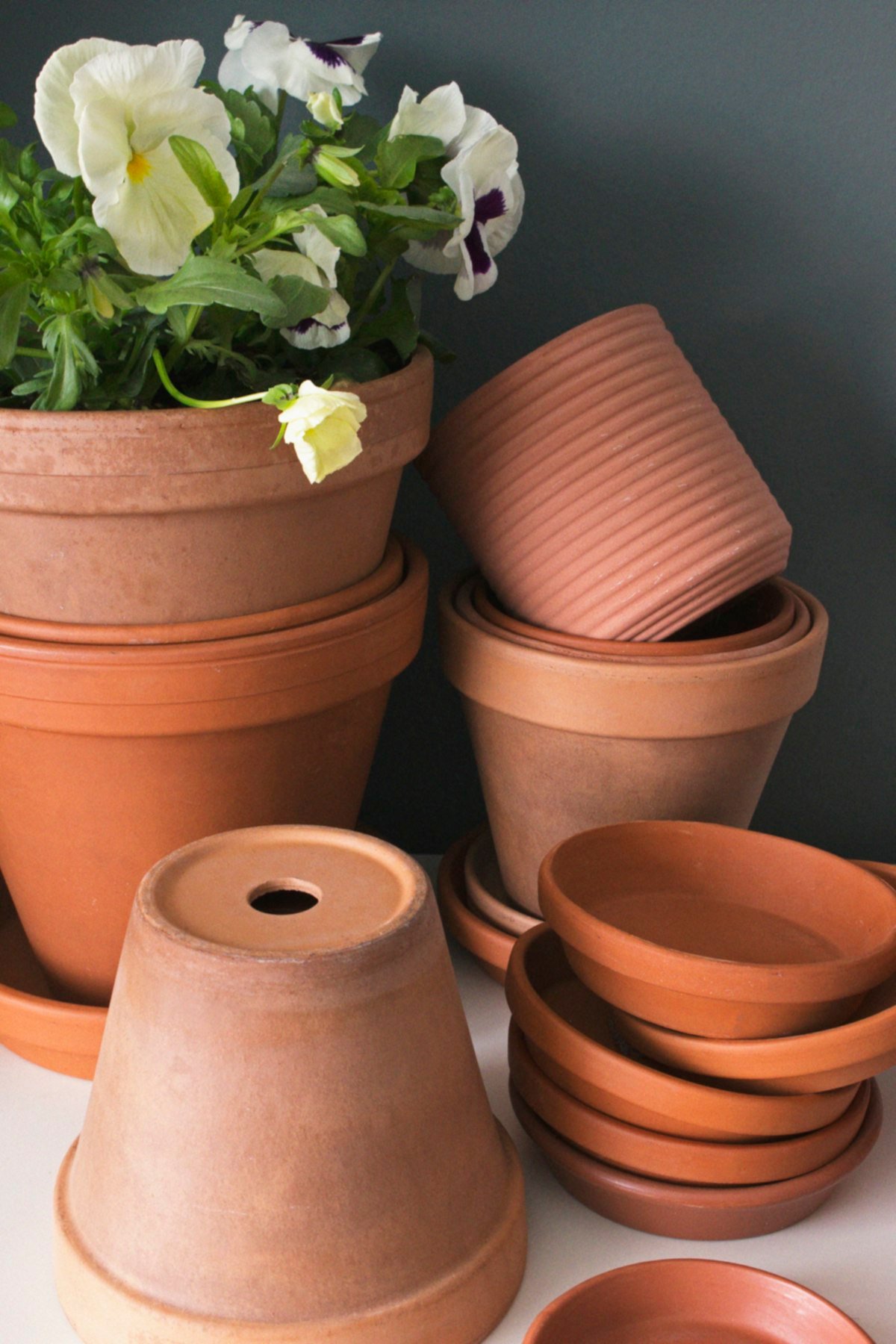
Practical habits:
- Water thoroughly, then wait for the appropriate depth to dry for that species—not on a fixed weekday calendar.
- Empty saucers within 15–30 minutes so roots do not sit in runoff.
- Match pot size to the root ball; oversized containers stay wet in the middle.
- Use mix with enough air (bark, perlite, or grit as appropriate) instead of dense garden soil in closed pots.
- Give enough light that the mix can dry on a predictable pace—dim wet corners are a common setup for rot.
- After any rescue repot, return to moisture-based timing from the watering guide and sound technique from the repot guide.
For leaf-color patterns that often appear before you dig, keep the hub Why houseplant leaves turn yellow bookmarked. Related spokes: pothos yellow leaves, monstera yellow leaves, snake plant yellow leaves, and peace lily drooping.
AEO answer block: Prevent root rot houseplants with drainage pots, airy mix, empty saucers, and moisture-based watering. Overwatering is the pathway; dry-down and oxygen keep roots firm.
What Not to Do
- Do not keep watering because the plant “looks thirsty” while the pot is still heavy and wet.
- Do not fertilize a waterlogged or freshly root-trimmed plant.
- Do not upsize into a much larger pot of dense soil as a rescue.
- Do not mist constantly as a cure for mushy roots—misting does not restore oxygen below the soil.
- Do not skip the root check when foul smell, mushy stem base, and wet wilt stack together.
Calm observation and one primary fix at a time beat stacking every remedy on the same day.
FAQ
What does root rot look like on houseplants?
Direct answer: Below soil, brown or black mushy, often stringy roots with a foul smell. Above soil, yellowing, wilting despite wet mix, musty odor, fungus gnats, or a soft stem base. Confirm with a root check—leaf color alone is not enough.
How do I tell healthy roots from mushy roots?
Direct answer: Healthy roots feel firm and are usually white, cream, or light tan. Mushy roots feel soft, look brown or black, may shred when rinsed, and often smell foul. Firm pale tissue is keepable; soft dark tissue should be cut away.
Is root rot the same as overwatering?
Direct answer: No. Overwatering is the wet pathway; root rot is the decayed tissue. You can catch wet habits before roots turn mushy. Once roots are soft and dark, you need trim-and-repot rescue or an honest decision that it is too late.
How do you save a plant with root rot?
Direct answer: Unpot, rinse, cut soft mushy roots back to firm tissue with clean tools, replant in fresh airy mix in a drainage pot, water carefully, and skip fertilizer until new growth. If almost no firm roots remain, propagate healthy cuttings instead.
When is houseplant root rot too late?
Direct answer: When most or all roots are mushy and dark, the crown is soft, and no firm pale roots are left. Compost the plant or take cuttings from firm healthy stems. Do not expect stimulants or misting to rebuild a dead root system.
Can yellow leaves mean root rot?
Direct answer: Yes, soft yellowing over wet heavy soil can be an early or mid-stage clue—especially with foul smell or mushy stem base. Yellowing also has other causes; use the yellow leaves guide and confirm with roots when wet wilt persists.
Should I water after cutting rotten roots?
Direct answer: Water lightly and carefully in fresh mix once the plant is settled—do not drown a reduced root system. Empty the saucer, then wait for the top of the mix to begin drying before the next drink. Match ongoing rhythm to the watering guide.