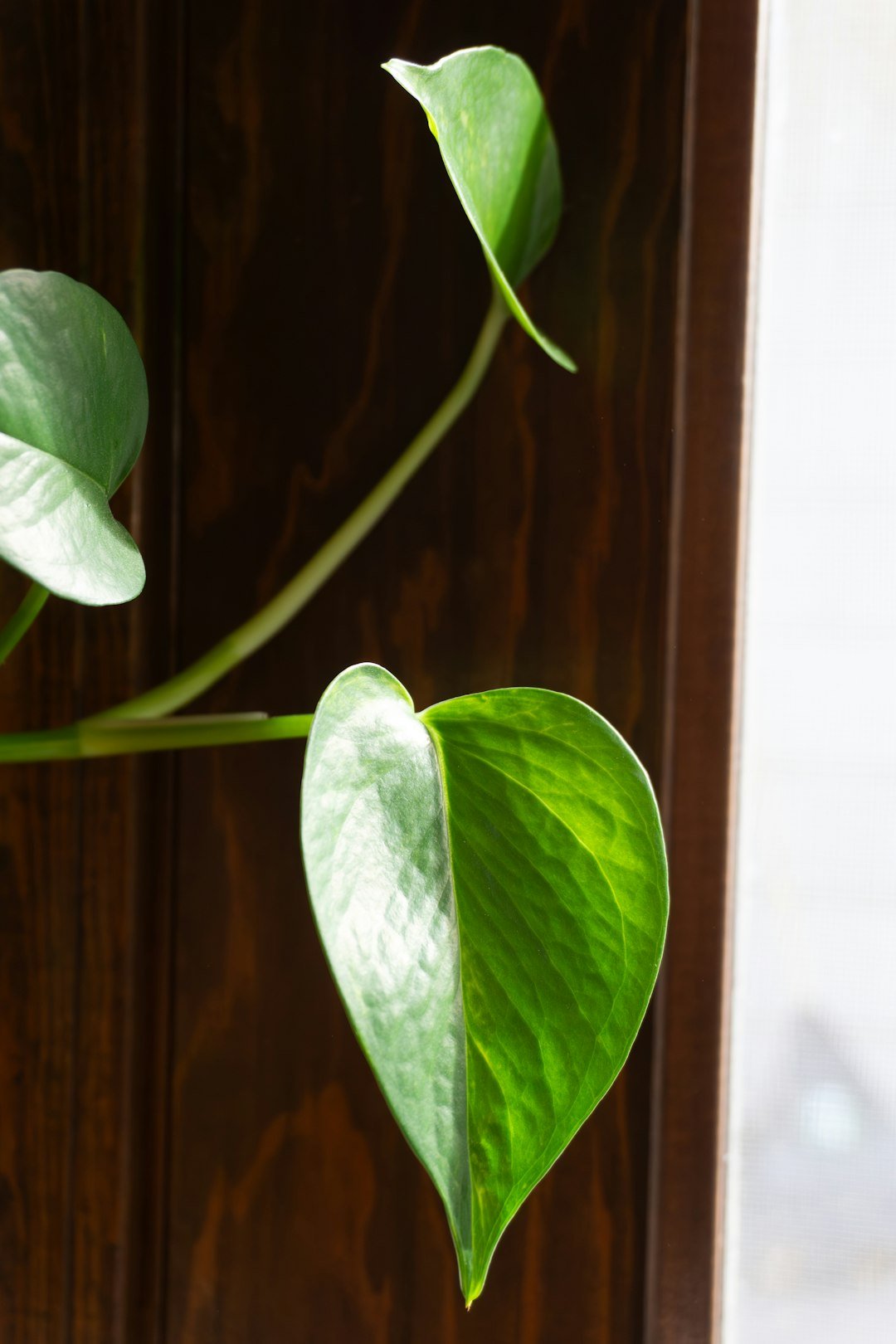
Pothos is one of the most adaptable houseplants for homes and apartments, but it still grows best when its basic needs are matched to the room. The goal is not a rigid care schedule: give it usable light, let the growing medium dry appropriately between waterings, and avoid conditions that keep the roots constantly wet.
What a Pothos Needs
- Light: Bright, indirect light generally supports stronger, fuller growth. Pothos can tolerate lower light, but growth may become slower and variegation can be less pronounced.
- Water: Check the growing medium before watering. Water thoroughly when the upper portion has dried enough for your plant and pot, then let excess water drain.
- Pot and drainage: Use a container with drainage holes. A decorative cachepot can work, but do not leave the plant sitting in collected water.
- Temperature: Keep it in a comfortable indoor environment and away from cold drafts or abrupt temperature changes.
How to Water a Pothos
Do not rely on a calendar alone. Light, pot size, soil composition, temperature and season all change how quickly a pothos uses water.
- Feel the growing medium before watering.
- If it is still noticeably moist, wait and check again later.
- When watering is needed, apply water evenly until some drains from the bottom.
- Empty standing water from the saucer or cachepot.
This approach also connects directly to CozyPlant’s houseplant watering guide.
Where to Place a Pothos
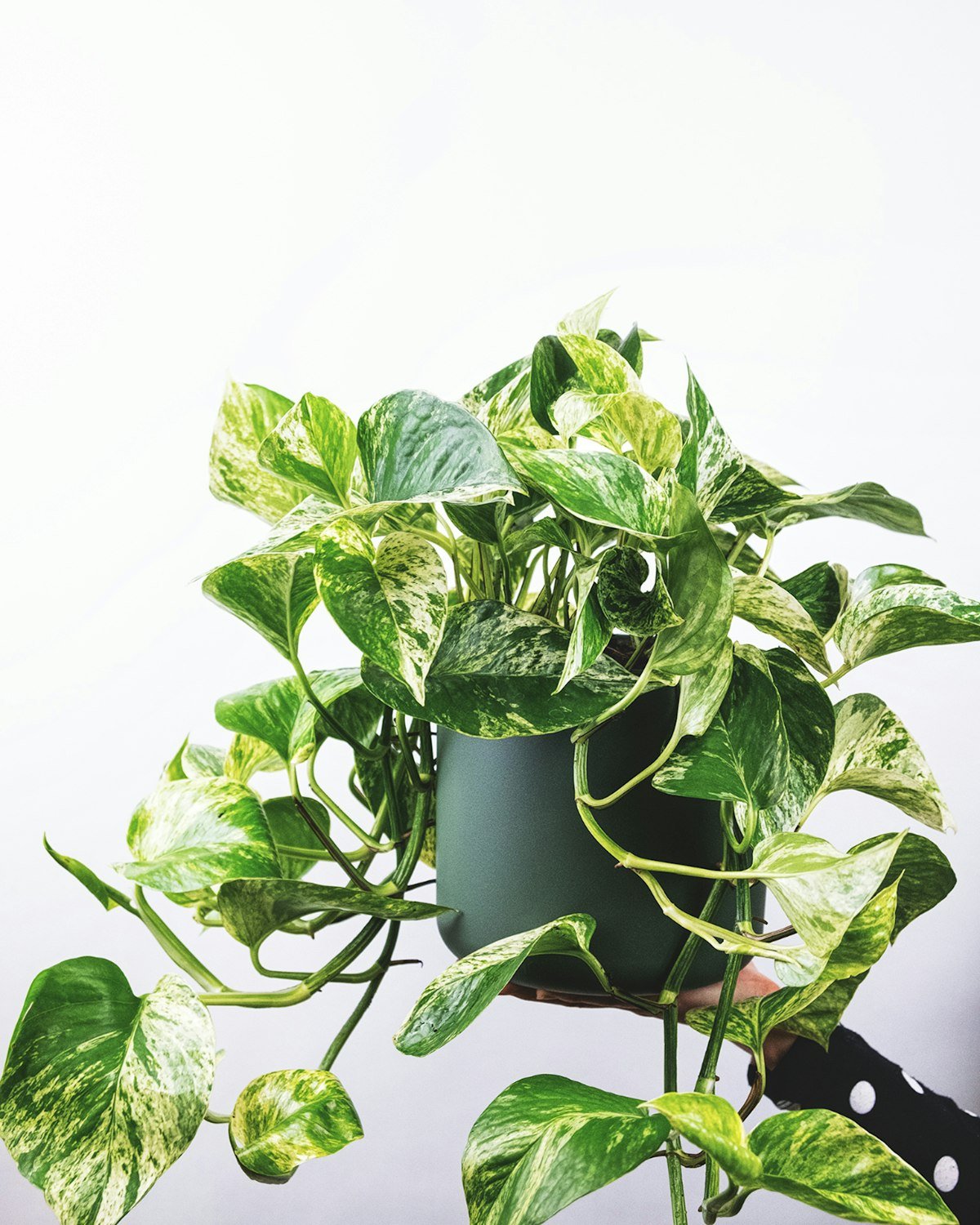
A spot near a bright window with filtered or indirect light is a useful starting point. In darker rooms, move the plant closer to the available light rather than assuming that any room described as “low light” is equally suitable. If natural light is genuinely limited, a grow light may be necessary.
How to Encourage Fuller Growth
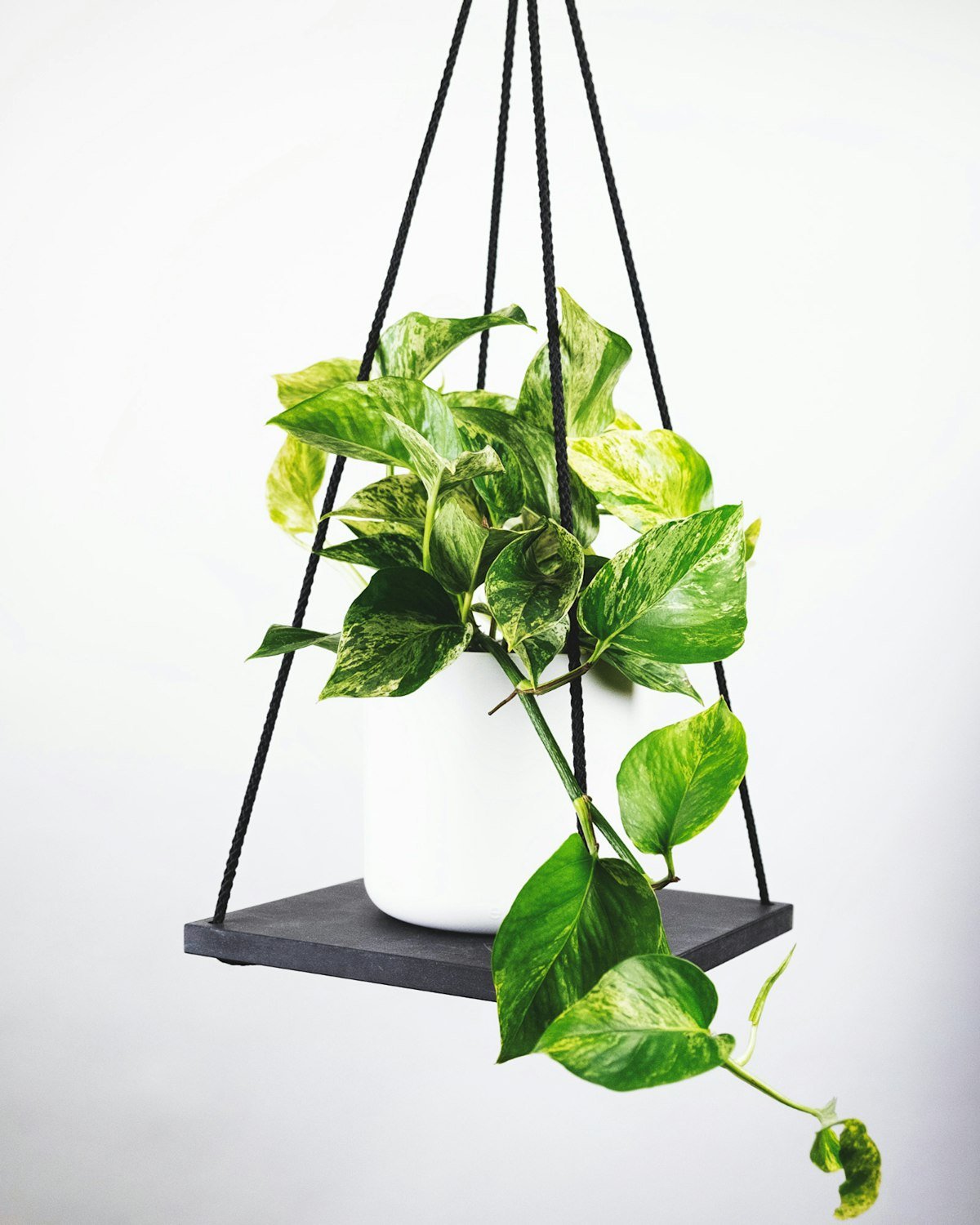
Long, sparse vines can be a sign that the plant is not receiving enough usable light. First improve the light conditions. You can also prune overly long vines with clean scissors to encourage a more compact shape, then use healthy cuttings for propagation.
Common Pothos Problems
| Symptom | What to check |
|---|---|
| Yellowing leaves | Check watering frequency, drainage and root-zone moisture before adding more water. |
| Long, sparse growth | Assess the amount and quality of available light. |
| Soft or declining roots | Inspect drainage and whether the growing medium stays wet for too long. |
| Sticky leaves or fine webbing | Inspect stems and leaf undersides for common houseplant pests. |
For broader diagnosis, see Why Houseplant Leaves Turn Yellow and Common Houseplant Pests.
When to Repot
Repot when roots are emerging from drainage holes, the plant is becoming significantly root-bound, or the existing medium has degraded enough to interfere with drainage. Move up only modestly in pot size rather than choosing an unnecessarily large container. See How to Repot a Houseplant for the full process.
Quick Pothos Care Checklist
- Check light before changing the watering routine.
- Check the growing medium before each watering.
- Use a pot with drainage.
- Inspect leaves and stems periodically for pests.
- Prune sparse or damaged growth with clean tools.
- Repot when roots or the condition of the medium indicate that it is needed.
FAQ
Can pothos grow in low light?
Yes, pothos can tolerate lower light, but tolerance is not the same as thriving. Growth is generally stronger with better usable light, and very dark rooms may require supplemental lighting.
How often should I water pothos?
There is no reliable universal interval. Check the growing medium and adjust for light, pot size, season and room conditions.
Does pothos need direct sun?
Not necessarily. Bright indirect light is a practical target. Strong direct sun through glass can be intense, so observe the plant and adjust placement when needed.
Takeaway
Pothos care is straightforward when you treat light, moisture and drainage as connected variables. Start with the room’s actual light, water based on the plant’s current conditions, and inspect regularly rather than following a fixed calendar.