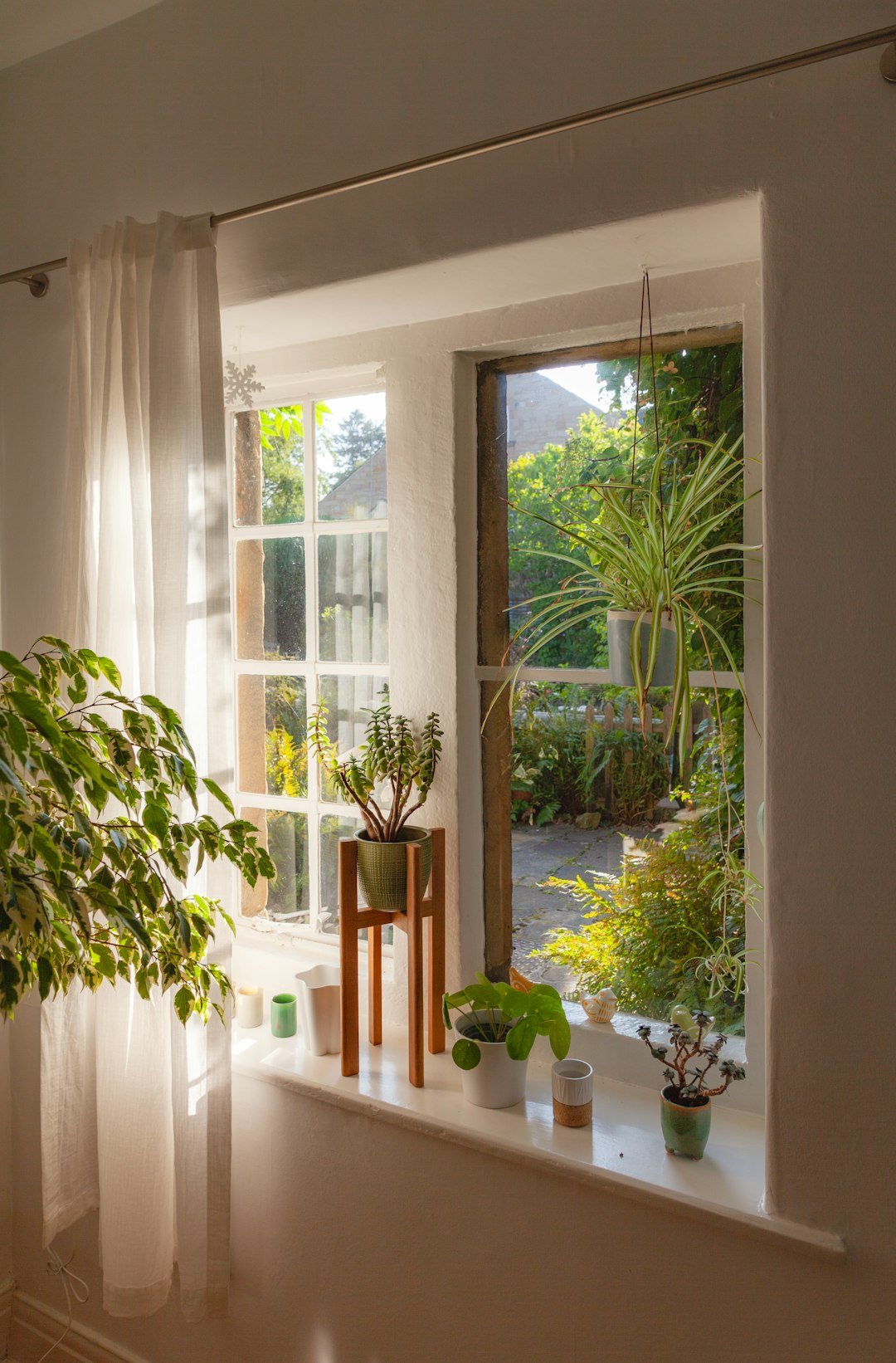
Understanding light is one of the most useful skills in indoor plant care. Watering can be adjusted; a plant placed in the wrong light may struggle for months. The goal is not to find a universal “best window,” but to match each plant with the amount and quality of light available in your room.
What plant light actually means
For houseplants, light generally falls into a few practical categories: direct sun, bright indirect light, medium light, and low light. These labels describe the intensity and exposure a plant receives, not a fixed distance that works in every home.
- Direct light: sunlight reaches the leaves for part of the day.
- Bright indirect light: the room is very bright but direct rays do not consistently hit the foliage.
- Medium light: the plant receives useful ambient daylight but is farther from a bright window.
- Low light: the plant receives limited usable daylight. Tolerant species can survive here, but growth is usually slower.
How to read the light in a room
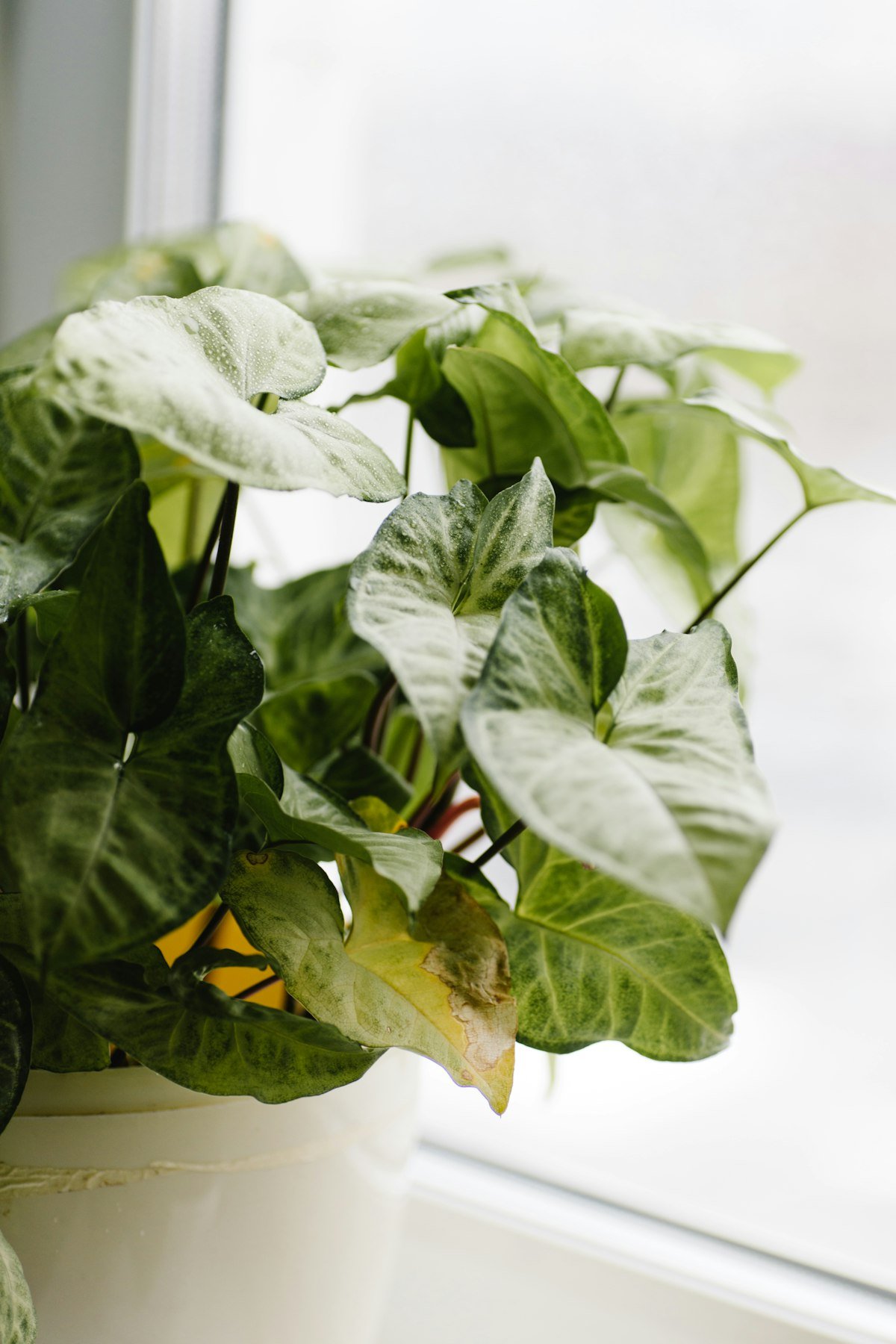
Stand where you plan to place the plant and look toward the brightest window. Ask whether the plant has a clear view of the sky, whether direct sun reaches the leaves, and how long that exposure lasts. A bright room is not automatically bright at the plant’s exact position.
Watch the plant over several weeks. Leggy growth, unusually long gaps between leaves, leaves turning toward a window, or weak new growth can indicate that the location is not providing enough light. Scorched or bleached patches after a sudden move into strong sun can indicate excessive exposure or an abrupt transition.
Match common houseplants to light
| Plant | Useful starting point | Placement note |
|---|---|---|
| Snake plant | Low to bright indirect | Growth is usually stronger with better light. |
| ZZ plant | Low to bright indirect | Avoid treating complete darkness as low light. |
| Pothos | Medium to bright indirect | Variegated forms generally benefit from stronger light. |
| Fiddle leaf fig | Bright indirect to strong filtered light | Introduce stronger light gradually. |
| Succulents | Bright light, often with some direct sun | Watch for sudden changes and leaf scorch. |
When low light is actually too low
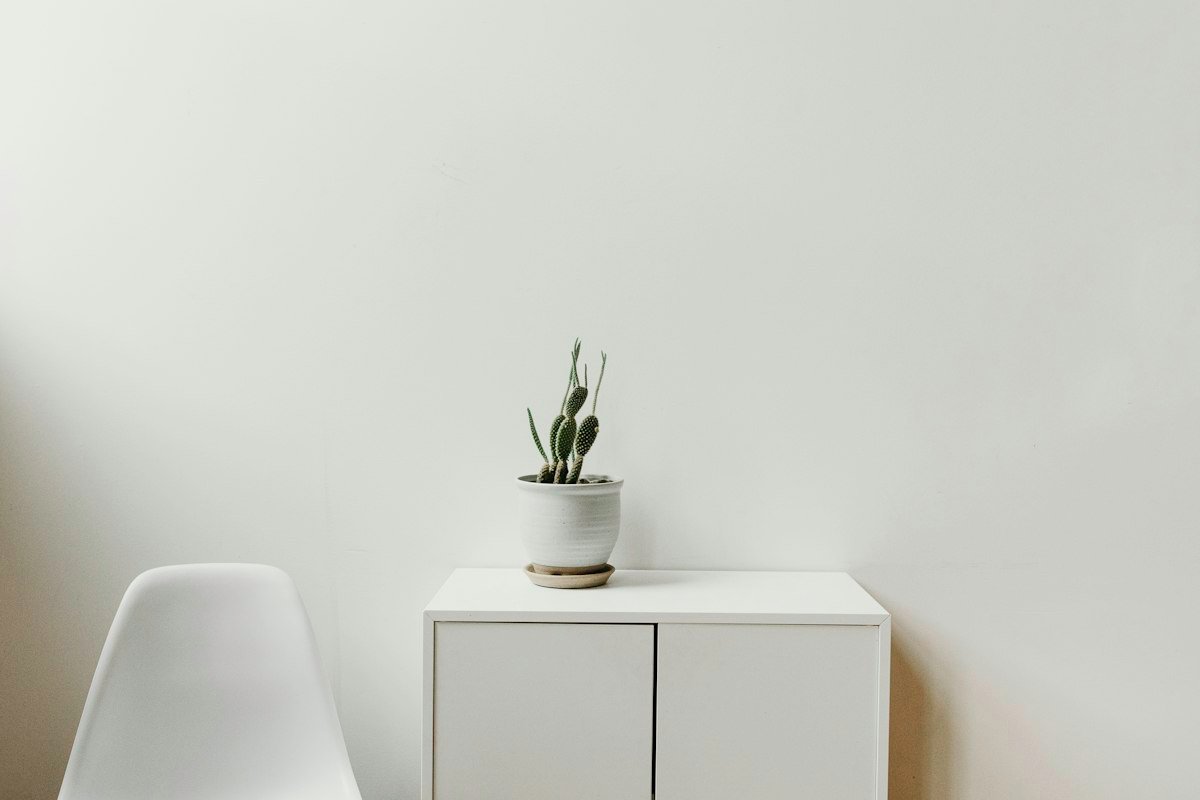
A plant described as low-light tolerant still needs usable light for photosynthesis. A completely dark hallway, interior room without windows, or location far from any meaningful daylight may require supplemental grow lighting. Low-light tolerance means a plant can manage with less light; it does not mean it can grow without light.
Should you move a plant closer to the window?
Usually, make changes gradually. If a plant has been in a dim location for months, moving it directly into intense sun can create stress. Shift it closer to the window over time and observe the foliage. Curtains or sheer blinds can help soften strong direct exposure.
Light and watering are connected
Light changes how quickly many plants use water. A plant in brighter conditions may dry faster than the same species in a dim room. That is why light and watering should be considered together rather than managed as independent schedules. See our houseplant watering guide for the moisture-check method.
A simple weekly light check
- Look at new growth rather than only older leaves.
- Check whether the plant is leaning strongly toward a window.
- Notice sudden bleaching, scorch, or crispy patches.
- Compare the plant’s current location with the light needs of its species.
- Reassess after seasonal changes in daylight.
Frequently asked questions
Is bright indirect light the same as shade?
No. Bright indirect light can be quite intense even when direct sun is filtered or does not hit the leaves.
Can houseplants grow in a room with no windows?
Not indefinitely without a suitable supplemental light source. Low-light plants still need usable light.
Does a plant need to be directly beside a window?
Not necessarily. The useful position depends on window orientation, glass, curtains, season, and the plant’s tolerance.
Final takeaway
Good indoor plant placement starts with observing the light at the plant, not guessing from the room name. Match the species to the available exposure, change locations gradually, and adjust watering as light conditions change. For the broader care system, continue with our indoor plant care guide.
Pingback: How to Style an Indoor Plant Shelf Without Clutter