Quick answer: Most houseplants need water about half as often in winter as in summer. As a rough guide, tropical foliage plants like pothos, philodendron and monstera often go 10 to 21 days between waterings, while succulents, cacti, snake plants and ZZ plants may need water only every 3 to 6 weeks. Don’t follow a calendar, though: water only when the top inch or two of soil is dry (deeper for succulents), then water thoroughly with room-temperature water and empty the saucer. Less light and cooler rooms mean soil stays wet much longer, so in winter, watering too little is far easier to fix than watering too much.
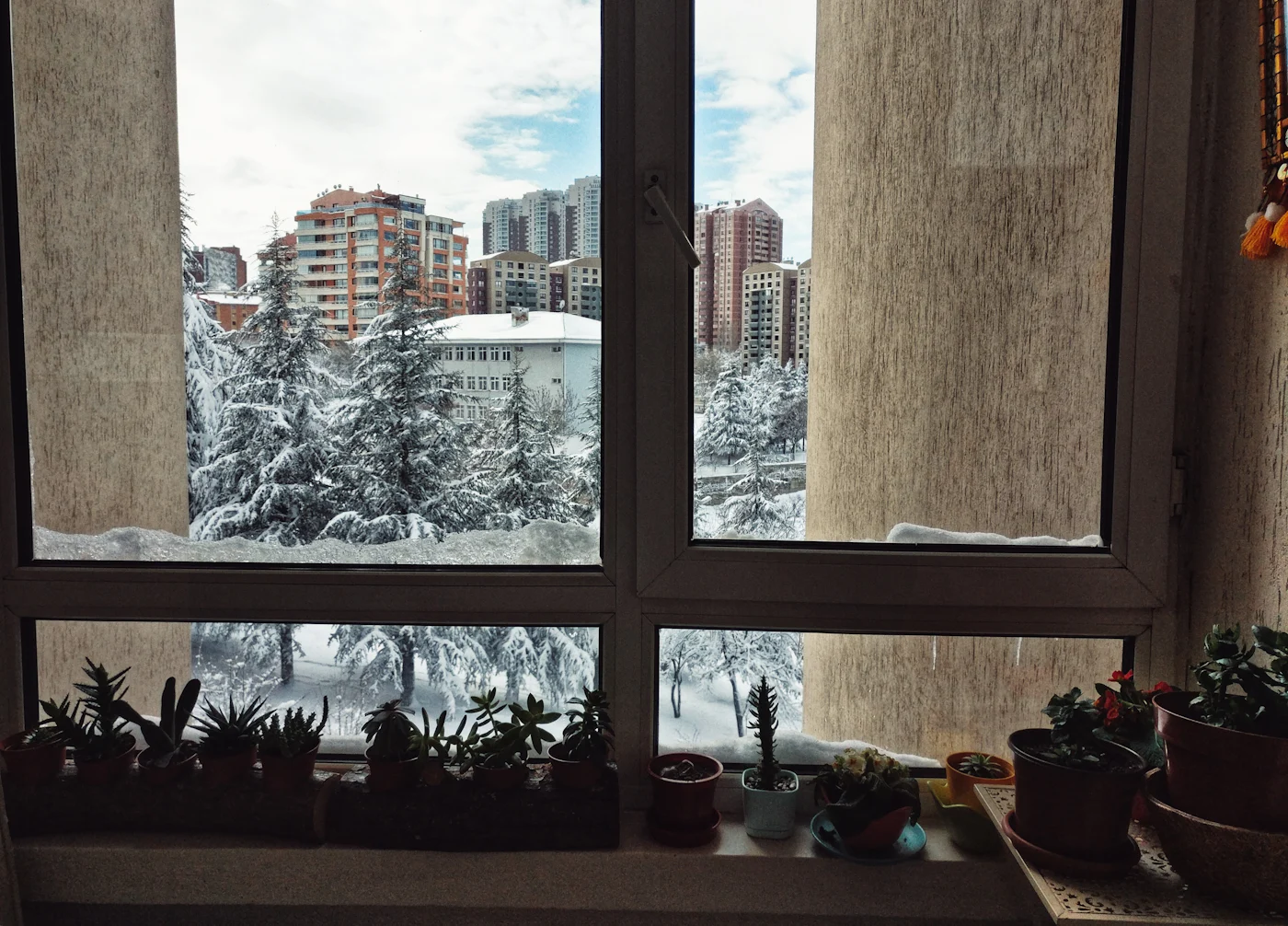
Winter is when good plant owners accidentally drown their plants. The routine that worked in July (a quick drink every Sunday) keeps going, but the plant has quietly slowed down. The days are short, the sun is low, and the soil that used to dry out in five days now stays damp for two weeks. Roots sitting in cold, wet soil can’t breathe, and that is how most winter losses begin.
This guide is strictly about the cold months, roughly December to February in the Northern Hemisphere (June to August if you live south of the equator). If you want the general technique, start with our houseplant watering guide; if you’re still in the transition months, see fall houseplant care. Here we focus on one question: how often to water houseplants in winter, and how to know when it’s actually time.
Winter watering frequency by plant type
The intervals below are starting points for a typical heated home with a bright window. They are not a schedule to follow blindly. Use them to set your expectations, then let the soil check (explained below) make the final call.
| Plant type | Examples | Typical summer interval | Typical winter interval | Water when |
|---|---|---|---|---|
| Tropical foliage | Pothos, philodendron, monstera, rubber plant | 5–10 days | 10–21 days | Top 1–2 inches (2.5–5 cm) of soil are dry |
| Moisture lovers | Peace lily, calathea, ferns | 4–7 days | 7–14 days | Top inch is dry; don’t let them dry out completely |
| Drought-tolerant foliage | Snake plant, ZZ plant, ponytail palm | 2–3 weeks | 3–6 weeks | Soil is dry most of the way down |
| Succulents and cacti | Echeveria, jade, aloe, most cacti | 1–2 weeks | 3–6 weeks, some barely at all | Soil is completely dry and leaves are slightly less firm |
| Winter bloomers | Christmas cactus, cyclamen, poinsettia, orchids in spike | Varies | Often the same as summer or more frequent | Top inch is dry; these are actively growing now |
Notice the range in every row. A pothos in a small terracotta pot next to a radiator can dry out in a week, while the same plant in a large plastic pot near a cool north window may stay damp for three. That’s exactly why the soil, not the calendar, decides.
Why houseplants need less water in winter
Plants don’t drink on a timetable. They use water in proportion to how much light they get and how actively they’re growing. In winter, three things change at once:
- Less light, less growth. Shorter days and a low sun mean less photosynthesis, so the plant pulls far less water from the soil. Many houseplants slow down or pause growth entirely. If your plants are in a dim spot, our guide to how much light houseplants need explains how to move them closer to the brightest window.
- Slower evaporation. As University of Vermont Extension puts it, conditions are cooler and darker, so water evaporates more slowly from the pot. Cooler soil also slows root activity.
- Cold, wet roots are vulnerable. Soil that stays soggy for days pushes oxygen out of the root zone. Combined with cool temperatures, that’s the classic setup for root rot and for fungus gnats, which breed in constantly damp topsoil.
Why less is safer
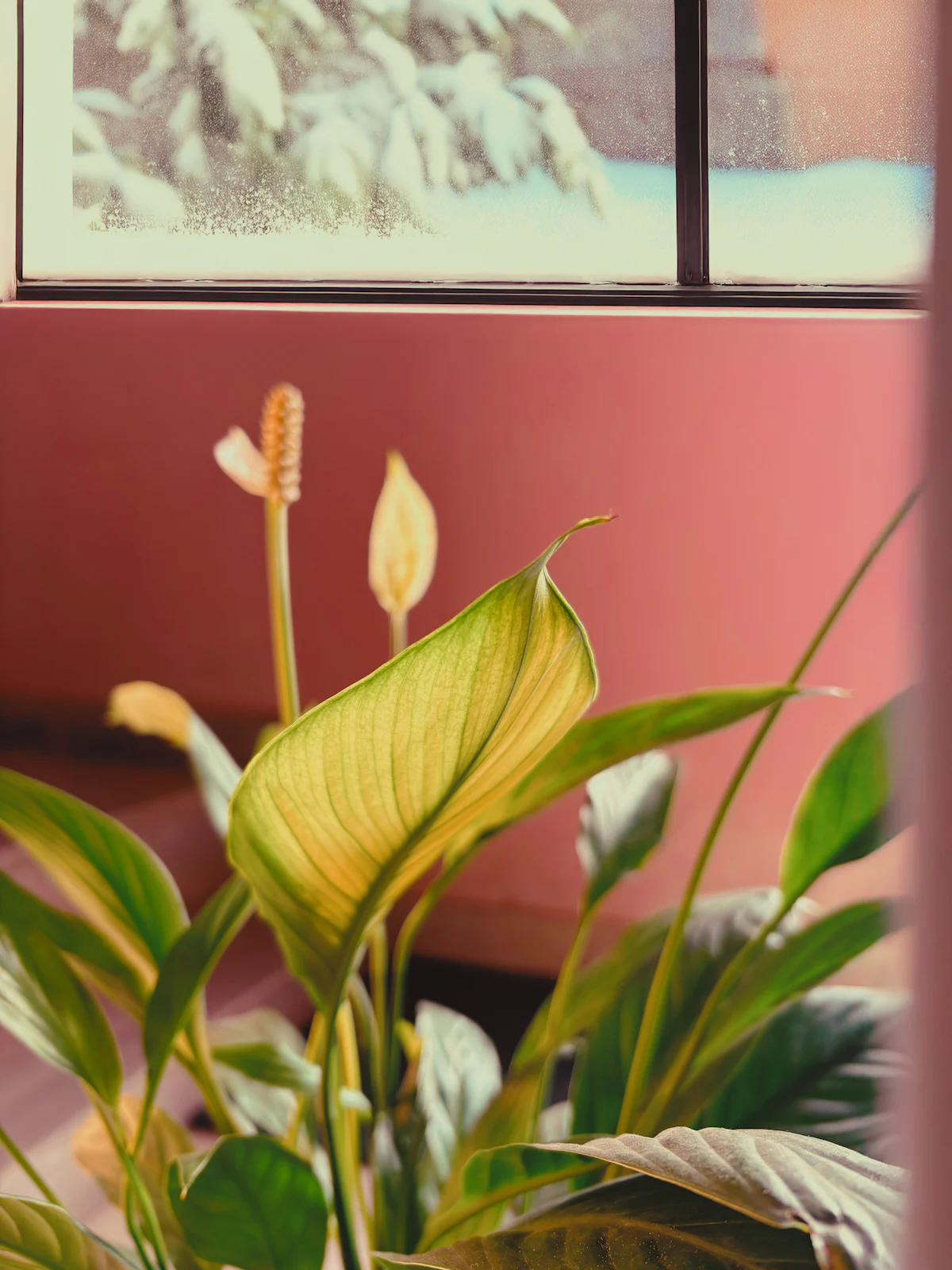
An underwatered plant tells you clearly: it droops, the soil pulls away from the pot, and it usually perks up within hours of a good drink. An overwatered plant in winter fails slowly and quietly. By the time you see yellow lower leaves or a soft stem, the roots may already be damaged. So when you’re unsure in winter, wait two or three days and check again. A short delay almost never hurts; an extra watering into wet soil can.
How to tell when a houseplant needs water in winter
Skip the fixed day of the week and run this quick check instead. It takes about ten seconds per plant.
- Finger test. Push a finger into the soil up to the second knuckle (about 2 inches, or 5 cm). If it feels cool and damp, wait. If it feels dry, it’s time for most foliage plants. For succulents, snake plants and ZZ plants, wait until the soil is dry much deeper.
- Lift the pot. Get to know the weight of the pot right after watering. A pot that feels noticeably light is dry throughout; a heavy one still holds plenty of water, even if the surface looks dry.
- Use a wooden skewer for deep pots. Push a plain chopstick or skewer to the bottom of the pot, leave it a minute, and pull it out. Dark, damp wood or clinging soil means there’s still moisture at the roots.
- Check the drainage hole. If the soil you can see or touch at the bottom is still wet, don’t water yet, even if the top is dry. In winter the top dries first while the bottom stays soggy.
- Look at the plant, not just the soil. Slight drooping in a peace lily, softer leaves on a succulent or curling on a calathea, together with dry soil, confirms it’s time.
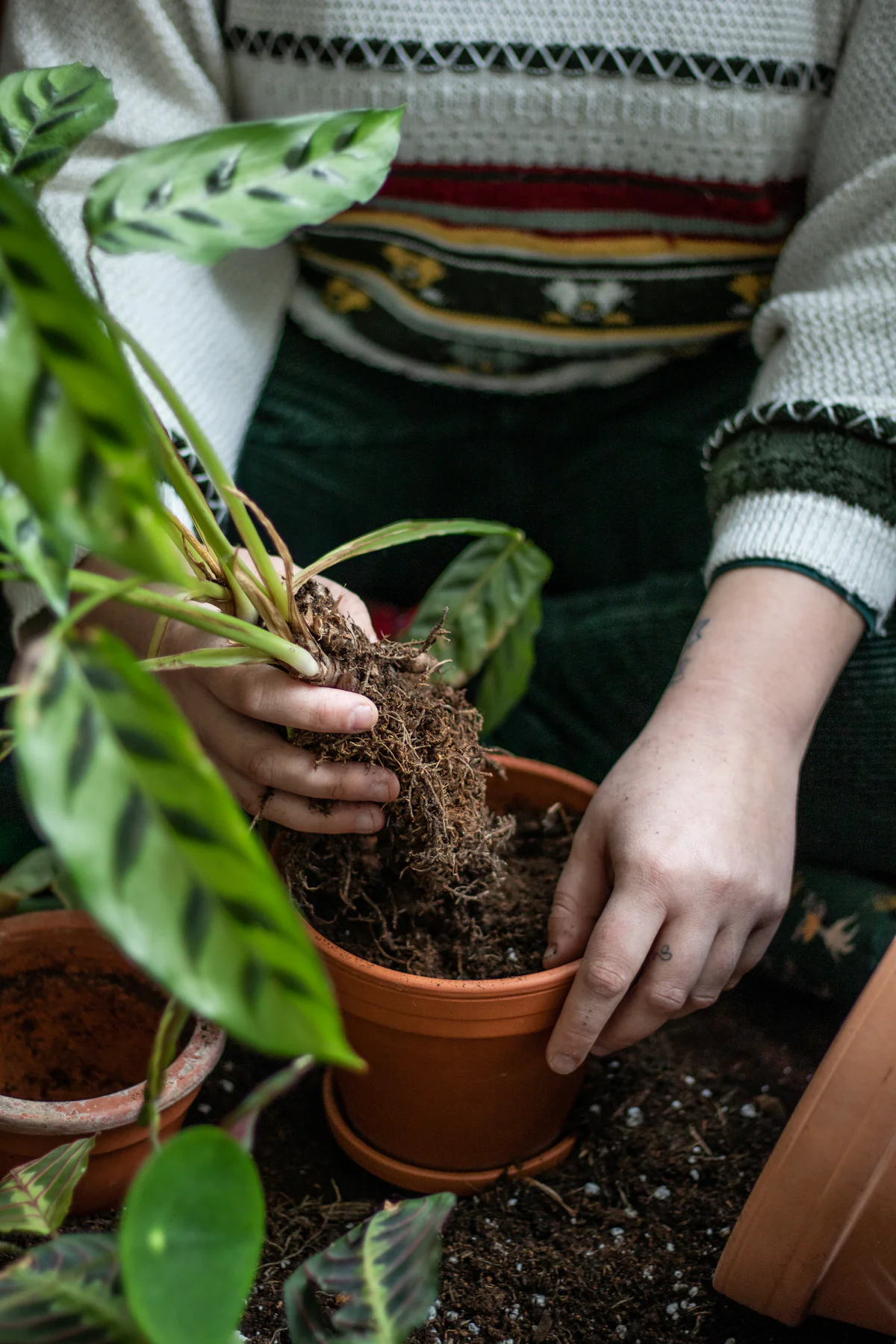
Moisture meters can help, but they read conductivity, not true moisture, and they can be thrown off by fertilizer salts or very airy mixes. Use them as a second opinion alongside the finger and weight tests.
How to water houseplants in winter
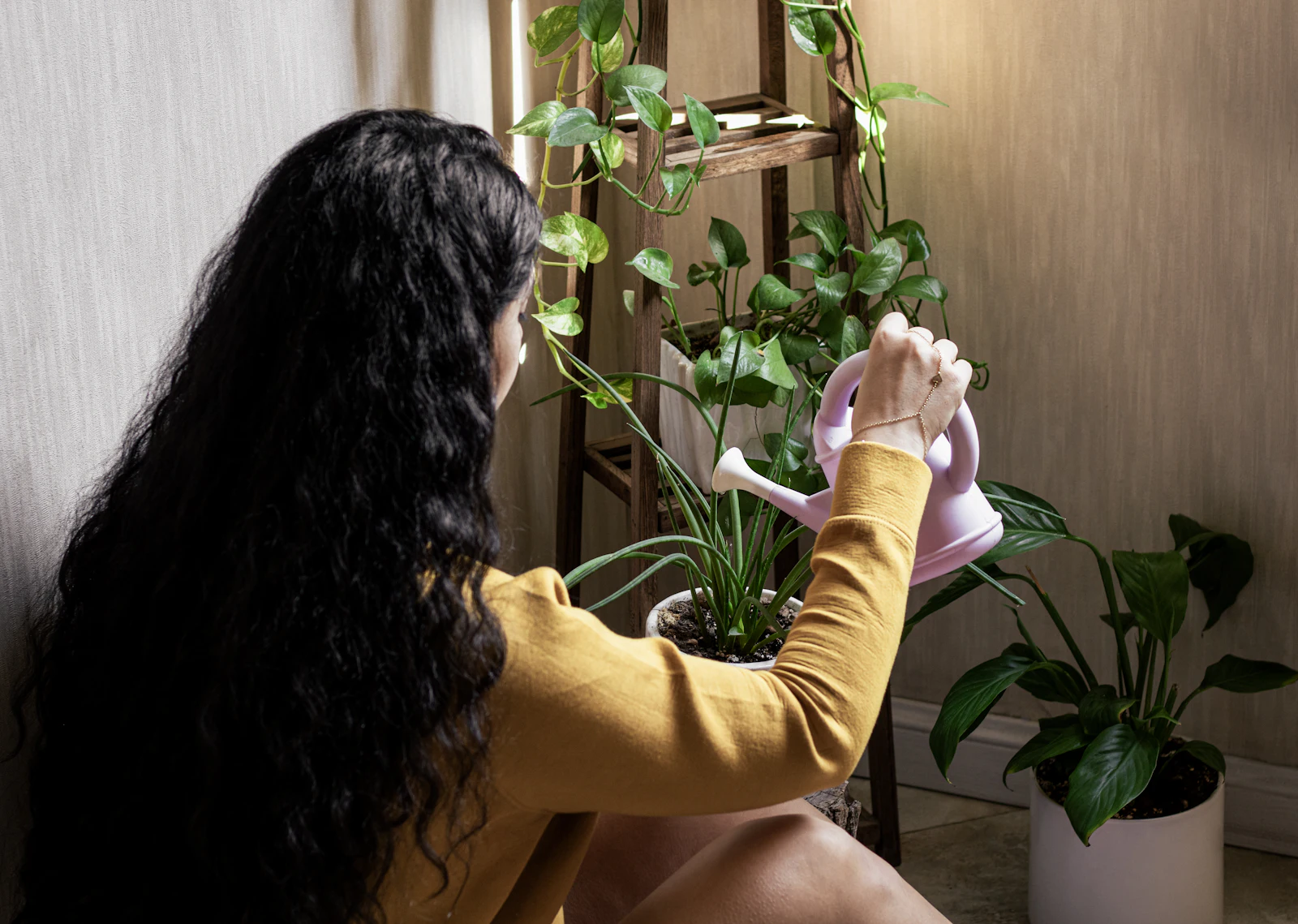
Watering less often doesn’t mean giving smaller sips. Small, frequent splashes wet only the top layer, leave the lower roots dry and keep the surface damp, which is exactly what fungus gnats love. When it’s time, water properly:
- Water thoroughly. Pour slowly until water runs out of the drainage hole so the whole root ball is moistened. Many extension services recommend watering in a sink so the excess drains away easily.
- Empty the saucer. After 15 to 30 minutes, tip out any water left in the saucer or cachepot. A pot standing in water stays saturated for days in a cool room.
- Use room-temperature water. Ice-cold tap water can shock the roots of tropical plants. Fill your watering can the evening before and leave it out overnight.
- Water in the morning. Morning watering gives the plant the warmest, brightest part of the day to use it, and the soil surface has time to dry a little before the cooler night.
- Bottom watering works too. Setting the pot in a basin of water for 15 to 20 minutes is a good option for plants that dislike wet leaves or crowns, such as African violets. Let the pot drain fully afterward.
What changes your winter watering schedule
Two identical plants can need very different amounts of water in winter. These factors explain most of the gap:
| Factor | Dries faster (check more often) | Dries slower (check less often) |
|---|---|---|
| Heating | Near a radiator, heat vent or wood stove | Cool rooms, unheated porches, spots near cold glass |
| Light | South- or west-facing window, grow light | North window, interior of the room |
| Pot material | Unglazed terracotta | Plastic, glazed ceramic, decorative cachepots |
| Pot size | Small pots, root-bound plants | Large pots with lots of soil per root |
| Soil mix | Chunky, gritty or bark-heavy mixes | Dense, peat-heavy potting soil |
The heated-room exception
Central heating dries the air, and Illinois Extension notes that most homes drop below 30% humidity in winter. A plant sitting right next to a radiator may dry out faster than you’d expect, and its leaf tips can crisp. The fix is usually to move it a few feet away from the heat source, not to water more. Dry air is a humidity problem, not a soil problem; extra water in the pot won’t fix it and can rot the roots. If you’re seeing crispy edges, read our guide to brown tips on houseplant leaves.
Overwatering vs underwatering in winter
Winter symptoms can be confusing because both problems can cause drooping and yellowing. Check the soil first, then compare:
| Sign | Likely overwatering | Likely underwatering |
|---|---|---|
| Soil | Still damp days after watering, may smell sour | Bone dry, pulling away from the pot edge |
| Leaves | Yellow, soft lower leaves; dark or mushy patches | Crispy, curled or wrinkled leaves; dry brown edges |
| Stems | Soft or blackened at the base | Limp but firm, recover after watering |
| Pests | Fungus gnats flying around the pot | Spider mites more likely in dry, warm air |
| What to do | Stop watering, empty the saucer, let it dry; check the roots if there’s no improvement | Water thoroughly, then go back to the soil-check routine |
If your plant is yellowing and you’re not sure why, our yellow leaves diagnosis guide walks through every cause. Tiny black flies around damp soil are almost always a watering signal; here’s how to break the fungus gnat life cycle.
Plants that may need the same or more water in winter
“Water less in winter” is a rule for resting plants. A few houseplants do their main growing or flowering in the cold months and keep drinking:
- Christmas and Thanksgiving cactus while they’re in bud and flower: keep the soil lightly moist, not wet. Bud drop often follows a sudden dry spell or a cold draft.
- Cyclamen grows and blooms in cool weather. Water when the top of the soil is dry, ideally from below so the crown stays dry.
- Poinsettia during the holidays: water when the soil surface feels dry and never leave it standing in a foil sleeve full of water.
- Orchids with a flower spike (such as Phalaenopsis) continue on their usual rhythm, watering when the potting bark is nearly dry.
- Plants under grow lights in a warm room may keep growing all winter and need close to their summer routine. Let the soil check guide you.
A simple winter watering routine
- Pick one or two check days a week rather than watering days.
- On each check day, do the finger or weight test on every plant.
- Water only the plants that are dry, thoroughly, with room-temperature water.
- Empty saucers after 15 to 30 minutes.
- Note the date on a sticky note or in your phone. After a few weeks you’ll know each plant’s real winter rhythm.
If you like structure, our seasonal watering schedule template lets you group plants by how fast they dry and track them room by room. For tough, low-maintenance plants, see how ZZ plant care works when you water less, and why that suits winter perfectly.
FAQ: watering houseplants in winter
How often should I water houseplants in winter?
For most tropical foliage plants, about every 10 to 21 days; for succulents, cacti, snake plants and ZZ plants, every 3 to 6 weeks. These are averages. Always check the soil first and water only when the top inch or two is dry.
Do houseplants need less water in winter?
Yes, most do. Shorter days and cooler rooms slow growth and evaporation, so the soil stays wet longer. The main exceptions are winter-flowering plants like Christmas cactus, cyclamen and poinsettia, and plants growing under grow lights.
Is it better to underwater or overwater houseplants in winter?
Slight underwatering is much safer. A thirsty plant recovers within hours of a good drink, while roots that sit in cold, wet soil can rot before you see any symptoms.
Should I use warm water for houseplants in winter?
Use room-temperature water, not hot. Very cold water can shock tropical roots, so let tap water sit out overnight before watering.
Should I water houseplants less if the heating is on?
Not necessarily less, but don’t water more just because the air is dry. Heating dries the air faster than the soil. Check the soil as usual, move plants away from radiators and vents, and treat dry air with grouping or a humidifier rather than extra watering.
Can I water succulents in winter?
Yes, but rarely. Water when the soil is completely dry and the leaves feel slightly less firm, often every 3 to 6 weeks in a heated home. Cacti kept in a cool, bright room may need almost no water until spring.
What time of day is best to water plants in winter?
Morning. The plant has the brightest and warmest hours to use the water, and the soil surface can dry slightly before the night.
Sources
- University of Vermont Extension, Hibernating Houseplants
- University of Illinois Extension, Houseplant Care
- University of Minnesota Extension, Bringing houseplants in for winter