Quick answer: Mild drooping or a few yellow leaves in the first 1–2 weeks after repotting is usually transplant shock, not a dying plant. Roots were disturbed, so the plant temporarily can’t pull up water as fast as the leaves lose it. Keep the plant in the same light it had before, water only when the top inch of soil is dry (never keep the new mix soggy), skip fertilizer for 4–6 weeks, and wait. Most houseplants rebound in 1–3 weeks. Escalate only if leaves keep yellowing fast, the soil stays wet and smells sour, or the stem softens — those point to overwatering or root rot, not normal recovery.
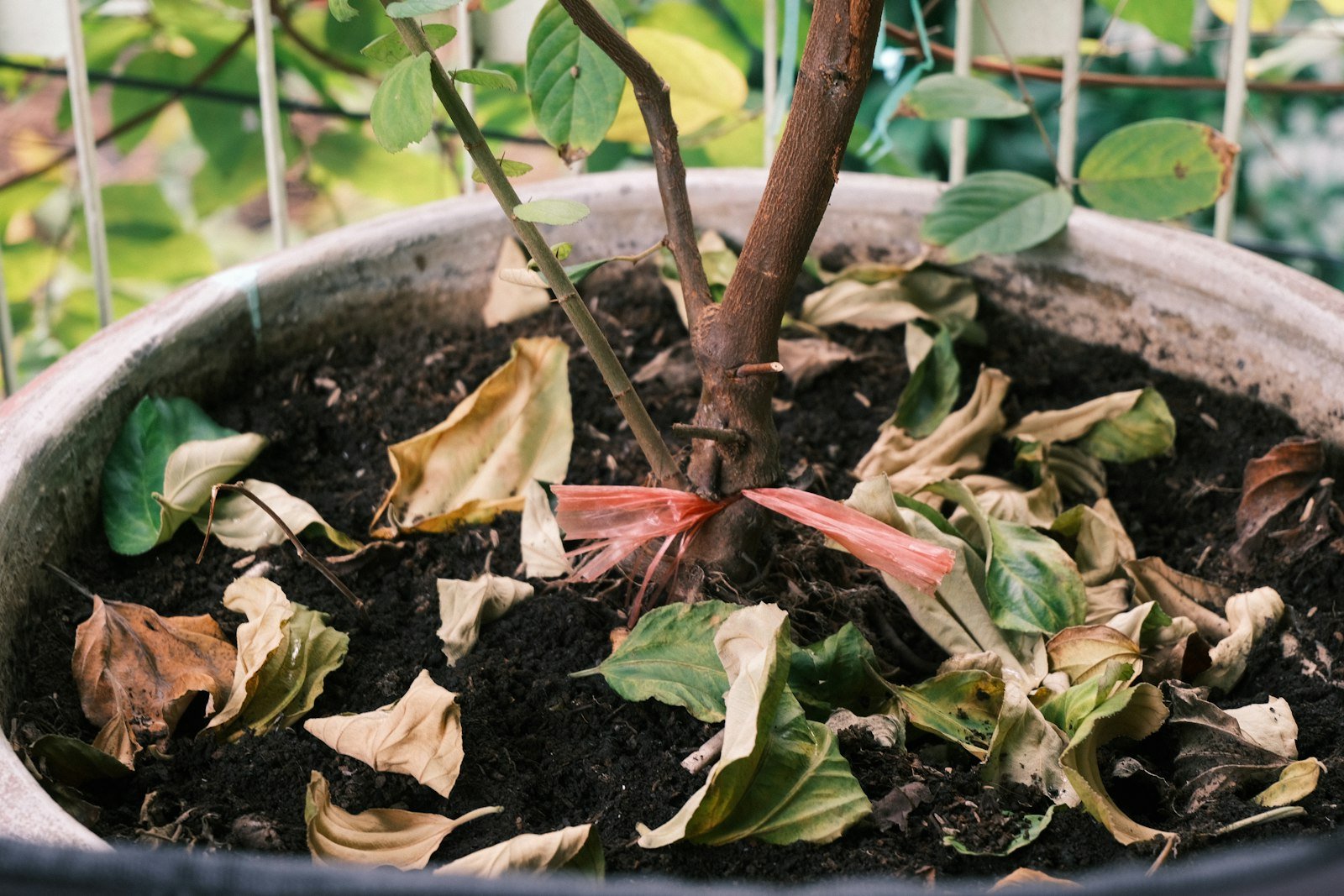
You did everything right — bigger pot, fresh mix, careful handling — and a few days later the leaves are limp or yellow. That gap between “I just repotted” and “why is it collapsing?” is transplant shock, and it is one of the most common houseplant scares. This guide is about after the move: what is normal, what is a real problem, and how to bring the plant back. If you still need the step-by-step how-to for the repot itself, use our how to repot a houseplant guide instead — that article covers the technique; this one covers the recovery.
What Is Transplant Shock in Houseplants?
Direct answer: Transplant shock is temporary stress after roots are disturbed. Fine root hairs that absorb water get broken or air-dried during the move, so the canopy wilts or yellows until new roots grow into the fresh soil.
The plant is not “rejecting” the new pot. It is catching up. Peace lilies, pothos, and many tropicals show this clearly because they wilt fast when water uptake dips. Snake plants and other thick-leaved plants may only yellow a leaf or two. Either way, the timeline is measured in days to a few weeks, not hours — and the fix is almost always less fuss, not more.
Normal After Repotting vs a Real Problem
Direct answer: Soft leaves for a few days, one or two older leaves yellowing, and no new growth for a week or two are normal. Rapid yellowing of many leaves, a wet sour smell, a mushy stem, or no improvement after three weeks means something else is wrong.
| What you see | Usually means | What to do |
|---|---|---|
| Mild droop for 2–7 days, then gradual firming | Normal transplant shock | Same light, water only when top inch is dry, no fertilizer |
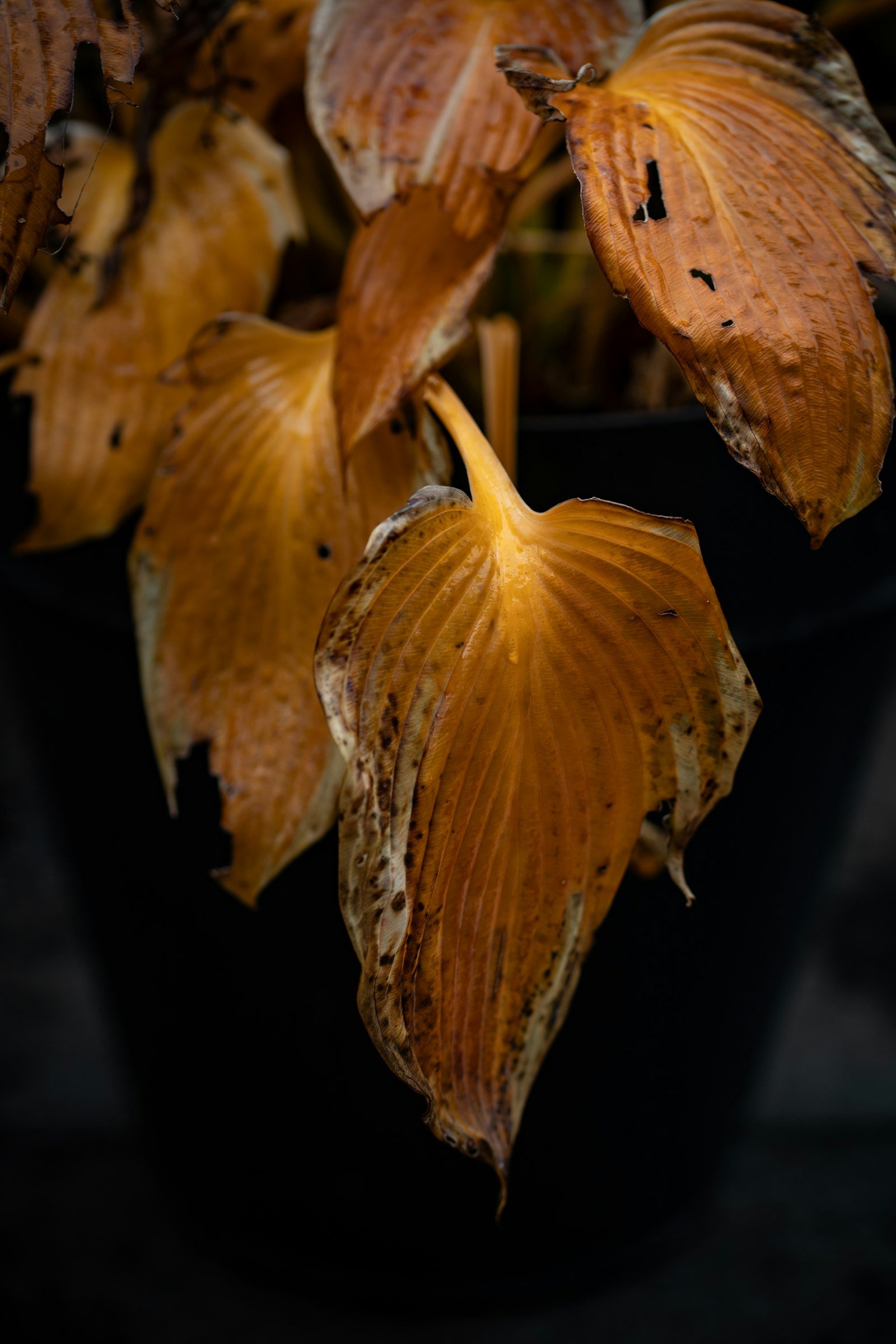
| 1–3 oldest leaves turn yellow and drop | Plant shedding stressed leaves | Remove yellow leaves; wait for new growth |
| Leaves limp but soil still wet days later | Overwatering after the move | Stop watering; check drainage; let mix dry to the top inch |
| Many leaves yellow fast; soil smells sour; stem soft | Root stress or early root rot | Unpot gently, check roots; see our root rot rescue guide |
| No improvement after 3+ weeks; new growth absent | Wrong pot size, compacted mix, or light change | Review pot size and light; adjust one variable at a time |
Why Plants Droop After Repotting: 6 Common Causes
Direct answer: The usual triggers are root disturbance, a pot that is too big (soil stays wet), watering too soon or too often in fresh mix, fertilizer right after the move, a sudden light or temperature change, and — less often — real root damage from rough handling.
1. Root disturbance (true transplant shock)
Even a careful repot breaks fine roots. Until they regrow, leaves droop in the afternoon or look soft. This is the baseline case for plant drooping after repotting. Give it time and stable conditions.
2. Pot too large
Jumping two or more pot sizes leaves a thick ring of unused soil that stays wet for days. Roots sit cold and oxygen-poor, so leaves yellow even though you “barely water.” Rule of thumb: go up only 1–2 inches (2–5 cm) in diameter.
3. Soggy new substrate
Fresh potting mix holds more water than the old, root-bound cake. Watering on the old schedule is the fastest way to turn mild shock into root rot. Water thoroughly once after potting if the mix was dry, then wait until the top inch is dry again. Our houseplant watering guide explains how to check moisture by feel, not by calendar.
4. Fertilizer too soon
Fresh mix already has nutrients. Feeding stressed roots burns them and worsens yellowing. Skip fertilizer for at least 4–6 weeks, then resume at half strength in the growing season only.
5. Light or temperature change at the same time
Repotting plus moving the plant to a brighter window or a colder hallway stacks stress. Keep it in the same spot for 1–2 weeks after the move whenever you can.
6. Real root damage or rot already present
If you teased roots hard, cut into healthy white tissue, or repotted a plant that was already rotting, recovery is slower. Soft brown roots need trimming and a freer-draining mix — that is a rescue, not ordinary shock.
How to Fix Transplant Shock: A Calm Recovery Plan
Direct answer: Stabilize light and temperature, water only when needed, raise humidity a little if the air is dry, remove clearly dead leaves, and do not fertilize. Judge progress by new leaves over 2–4 weeks, not by the ones that already yellowed.
- Put the plant back where it was. Same window, same room temperature. Avoid drafts, heaters, and sudden full sun.
- Water by soil, not by calendar. Finger-test the top inch. If it is still damp, wait. When you water, soak until a little drains, then empty the saucer.
- Do not fertilize for 4–6 weeks. New mix plus stressed roots is enough stress without salts.
- Trim only dead tissue. Yellow leaves will not green again; remove them at the base once they are mostly yellow. Leave anything still mostly green.
- Optional: gentle humidity. Group plants or run a small humidifier nearby. Mist is not a substitute and can leave wet leaves overnight.
- Wait before another repot. Moving again “to fix” shock usually makes it worse unless you confirmed rot or a pot with no drainage.
Species Notes: Pothos, Snake Plant, and Peace Lily After Repotting
Direct answer: Peace lilies droop dramatically and often bounce back in days once moisture is right. Pothos may yellow a few older leaves. Snake plants usually show stress as yellowing rather than a dramatic wilt — and they hate wet soil after a repot.
- Peace lily: Classic dramatic wilt after any root disturbance or dry spell. If the soil is wet and it still droops, you may have overwatered; if it is dry, water thoroughly once. More detail in why your peace lily is drooping.
- Pothos: A few yellow leaves after repotting are common. Widespread yellowing with soggy soil points to overwatering. See why your pothos is turning yellow if yellowing continues past the first two weeks.
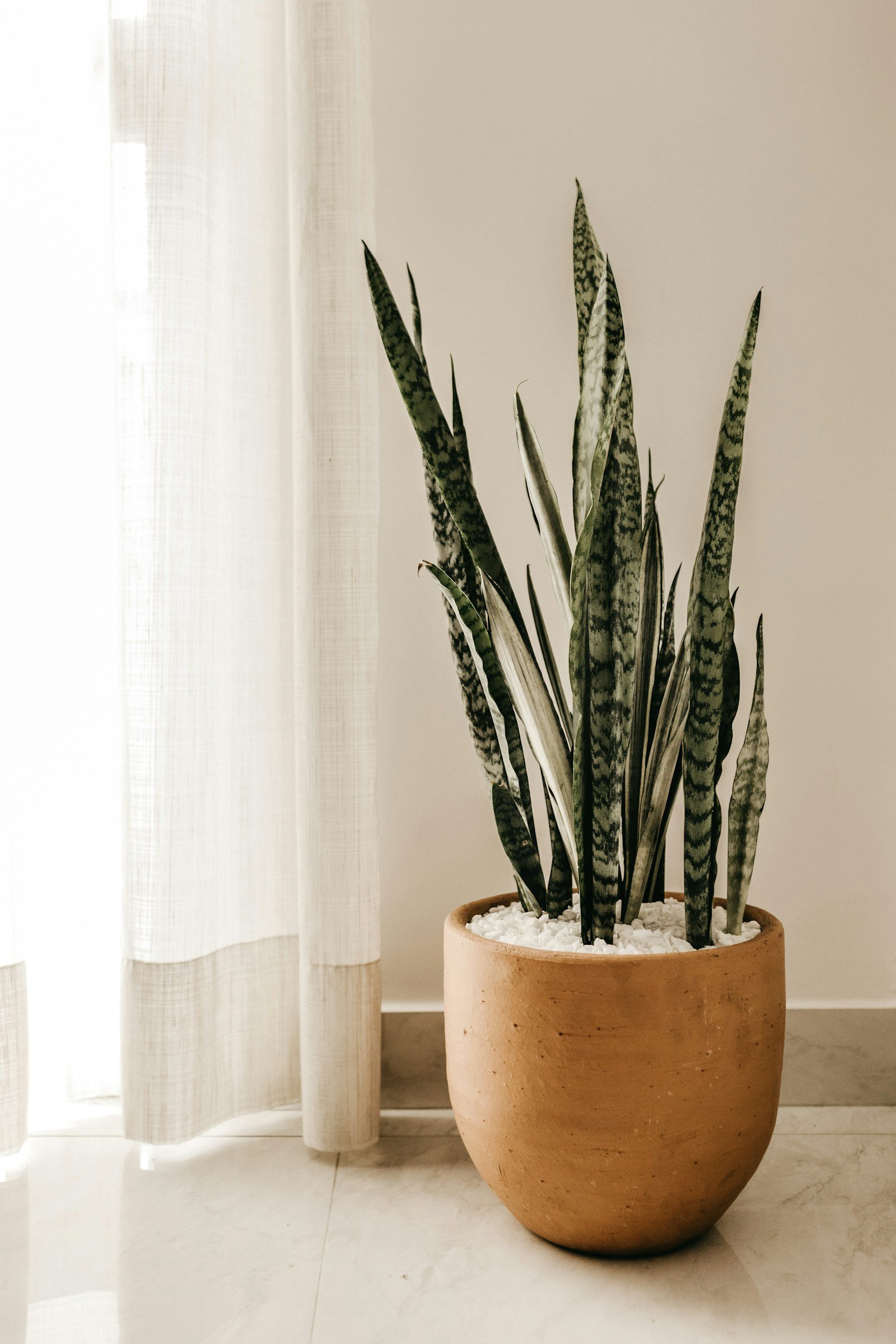
- Snake plant: Thick leaves store water, so droop is rare; yellow mushy bases mean too much moisture in the new pot. Let the mix dry deeper between waterings. Related: snake plant yellow leaves — causes and recovery.
For yellowing that is not tied to a recent repot, our broader guide on why houseplant leaves turn yellow covers watering, light, and nutrient causes.
How Long Does Transplant Shock Last?
Direct answer: Most houseplants look better within 7–14 days and show clear recovery (firmer leaves or new growth) within 2–4 weeks. Slow growers like snake plants may take longer to show new leaves even when roots are fine.
Use this rough timeline:
- Days 1–3: Mild soft or droopy leaves are common. Do nothing dramatic.
- Days 4–10: Leaves should firm up if watering and light are stable. One or two older leaves may yellow — remove them when spent.
- Weeks 2–4: Look for new growth or at least no new yellow wave. That is your success signal.
- After 4 weeks with ongoing decline: Recheck pot size, drainage, and roots. The problem is likely not “still just shock.”
Biggest Mistakes That Make Post-Repotting Stress Worse
Direct answer: The three mistakes that turn normal shock into a real crisis are an oversized pot, keeping the new soil constantly wet, and fertilizing immediately.
- Pot too big — unused soil stays wet and cool around a small root ball.
- Watering on a fixed schedule — fresh mix holds water longer than the old root-bound soil.
- Fertilizer “to help it recover” — salts hit damaged roots hard; wait weeks.
- Moving light at the same time — one change at a time.
- Repotting again too soon — unless you confirmed rot or a failed drainage pot.
Prevention for next time lives in the technique: choose only a slightly larger pot, use a mix that drains, and water once then wait. That is covered step by step in how to repot a houseplant.
Transplant Shock FAQ
How long does it take a plant to recover from transplant shock?
Most houseplants firm up within 1–2 weeks and look clearly recovered within 2–4 weeks if light and watering are stable. New leaves may take longer on slow growers. If decline continues past three or four weeks, look for overwatering, pot size, or root rot rather than waiting longer for “shock” alone.
Is it normal for leaves to turn yellow after repotting?
Yes, a few older leaves often yellow and drop as the plant reallocates energy. Rapid yellowing of many leaves, especially with wet soil that never dries, is not normal transplant shock — ease off watering and check the roots.
What are the biggest mistakes when repotting houseplants?
Choosing a pot that is much too large, using a mix that stays soggy, watering too often right after the move, fertilizing immediately, and changing light and pot at the same time. Any one of these can turn mild shock into yellowing or rot.
When should I water after repotting?
Water thoroughly once if the new mix was dry when you potted, then wait until the top inch of soil feels dry before watering again. Do not water on your old calendar — fresh mix usually needs less frequent watering at first.
Should I fertilize after repotting?
No. Wait at least 4–6 weeks. Fresh potting mix already contains nutrients, and fertilizer salts stress damaged roots. Resume at half strength only when you see new growth in spring or summer.
Why is my peace lily drooping after I repotted it?
Peace lilies wilt loudly when roots are disturbed or when moisture is off. If the soil is dry, water once thoroughly. If it is still wet and the plant is limp, let it dry and check drainage. Dramatic wilt that recovers after one good watering is classic for this plant — see our peace lily drooping guide for the full checklist.
Can transplant shock kill a houseplant?
Mild shock alone rarely kills a healthy plant. What kills plants after a repot is usually secondary: chronic wet soil, no drainage, or fertilizing stressed roots. Stable care for a few weeks is enough for most recoveries.
Bottom Line
Yellow or drooping leaves after repotting are usually temporary transplant shock: roots need time to reconnect with the new soil. Keep light steady, water only when the top inch is dry, skip fertilizer, and give the plant 1–3 weeks. Escalate only when soil stays wet, leaves yellow in waves, or the stem softens — then treat it as a watering or root problem, not as a reason to repot again. For the how-to of the move itself, go back to how to repot a houseplant; for ongoing yellowing unrelated to a recent pot change, start with why houseplant leaves turn yellow.