Quick answer: Stop fertilizing most houseplants in early to mid fall, roughly 6–8 weeks before your shortest days (for most of the Northern Hemisphere, that means by October, and no later than early November). Once days shorten and new growth slows, plants can’t use the extra nutrients, and unused fertilizer builds up as salts in the soil. Pause feeding through winter, water only when the soil is dry enough, and resume with a diluted dose in spring when you see fresh new leaves.

Fertilizer is one of those habits that feels helpful all year. But houseplants follow light, not the calendar on your fridge. When fall arrives, the sun sits lower, days get shorter and indoor plants shift into a slower, maintenance mode. Feeding them as if it were still June doesn’t push more growth; it mostly leaves extra salts in the pot.
This guide is the “feeding” step from our fall houseplant care checklist, explained in detail: when to stop, which plants are exceptions, what to do if you kept feeding too long, and when to start again.
Why houseplants need less fertilizer in fall and winter
Plants use nutrients to build new leaves, stems and roots. That building work is powered by light. In fall, three things reduce how much a houseplant can actually use:
- Less light. Shorter days and a lower sun angle cut the light reaching a windowsill, sometimes by half or more compared with summer. See how much light houseplants need for what that means room by room.
- Slower growth. Most tropical foliage plants keep their leaves but produce few new ones between November and February.
- Less water use. Soil stays wet longer, so nutrients are taken up slowly and can concentrate in the pot.
University extension services give the same general advice: fertilize houseplants during active growth (spring and summer) and reduce or stop in fall and winter, when growth slows. Fertilizer is not food in the way we think of it; light is the energy source. Nutrients only help when the plant has enough light to grow.
When to stop fertilizing houseplants: a simple timeline
Rather than a fixed date, use your local day length and your plant’s growth as the signal. This table works for most common houseplants (pothos, monstera, peace lily, philodendron, ficus, snake plant, ZZ plant).
| Time of year (Northern Hemisphere) | What your plant is doing | What to do with fertilizer |
|---|---|---|
| Late August – September | Growth still active, days shortening | Keep feeding, but switch to half strength |
| October | New growth slows clearly | Last light feeding, then stop |
| November – January | Rest / maintenance mode | No fertilizer for most plants |
| February | Days lengthening, buds may swell | Still wait unless you see real new growth |
| March – April | New leaves unfurling | Resume at half strength, then normal |
In the Southern Hemisphere, shift everything by six months: stop around April and resume around September. Near the equator, or under strong grow lights, the change is much smaller (see the exceptions below).
The “new growth” test
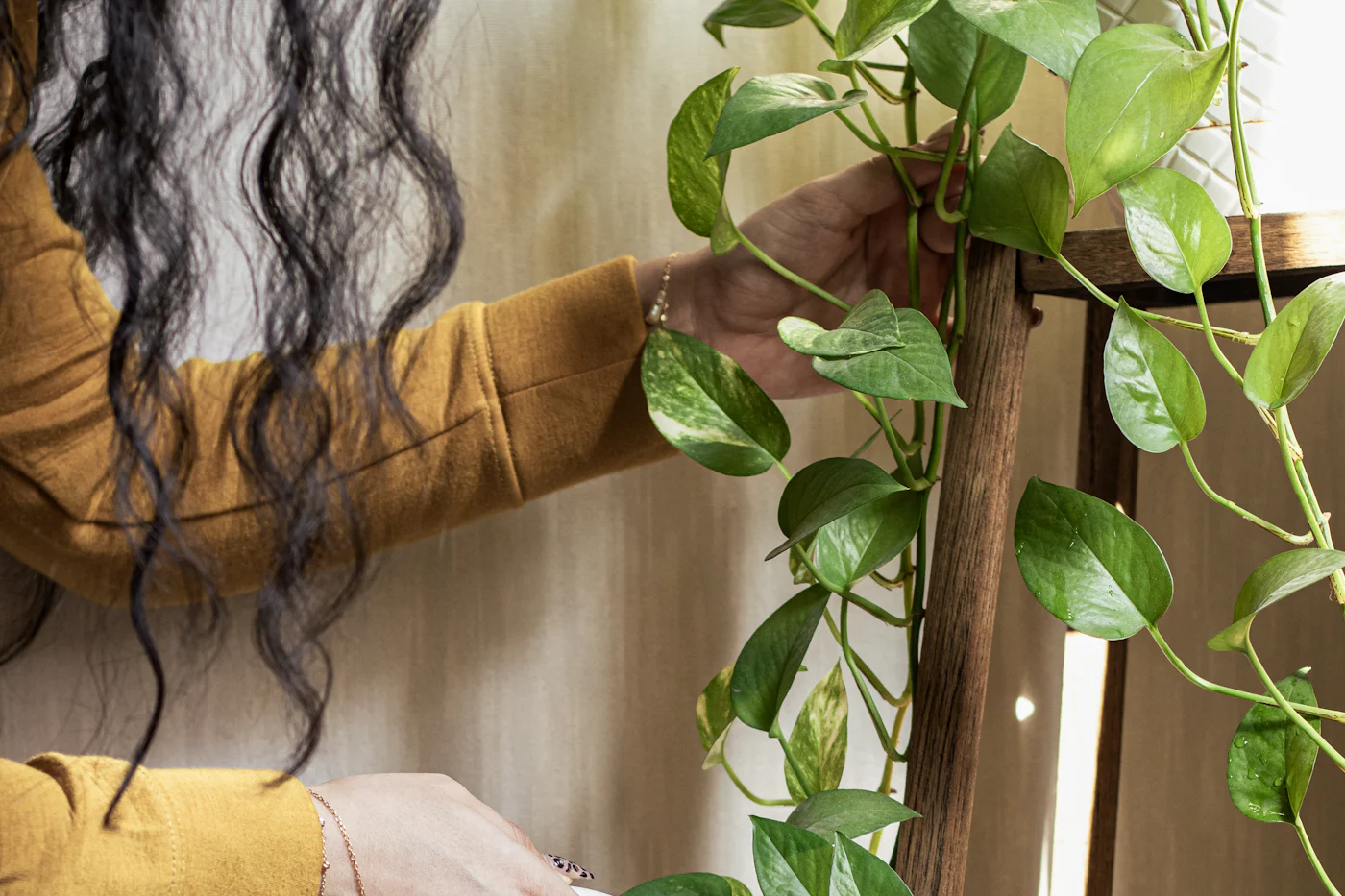
Look at the tip of each stem or the center of the plant once a week. If no new leaf has appeared or unfurled in 3–4 weeks, the plant is resting, and it’s time to stop feeding. If it is still pushing healthy new leaves in October, one more half-strength feeding is fine.
Should I fertilize houseplants in winter?
For most houseplants on a windowsill, no. Skip fertilizer from roughly November to February. A resting plant will not “starve” over a few months; a healthy potting mix still holds some nutrients, and the plant’s needs are low.
Exceptions: plants that may still need light feeding
- Plants under grow lights for 12+ hours a day that keep growing: feed at quarter to half strength every 4–6 weeks.
- Winter bloomers such as Christmas cactus, moth orchids (Phalaenopsis) and African violets in flower or bud: a diluted bloom feed is fine while they’re actively flowering.
- Bright, warm south-facing windows in mild climates where plants visibly keep growing.
Plants that should get nothing at all in winter: succulents and cacti, snake plants, ZZ plants and anything recently repotted (fresh mix already contains nutrients, see transplant shock after repotting).
Signs you are still fertilizing too much in fall
Over-fertilizing in low light shows up slowly. Use this table to match what you see to the likely cause.
| Sign | Likely cause | Fix |
|---|---|---|
| White or yellow crust on soil surface or pot rim | Fertilizer salt buildup | Scrape off top layer; flush soil (see below) |
| Brown, crispy leaf tips and edges | Salt burn (or dry air) | Flush soil, stop feeding; check humidity |
| Weak, pale, stretched new growth | Nutrients without enough light | Stop feeding; move closer to light |
| Wilting with damp soil, dark roots | Root damage from salts or soggy soil | Check roots; let soil dry; repot if needed |
| Yellowing lower leaves | Often overwatering, sometimes salts | Check soil moisture before anything else |
Brown tips have several possible causes, so don’t blame fertilizer automatically. Our guide to brown tips on houseplant leaves walks through each one, and if the heating has just come on, dry air is a likely suspect too (see protecting houseplants from dry heating air). For yellowing, use the pattern guide on why houseplant leaves turn yellow.
How to flush excess fertilizer from the soil
- Take the plant to a sink or tub; make sure the pot has a drainage hole.
- Slowly pour room-temperature water through the soil, about 2–3 times the volume of the pot.
- Let it drain completely. Never leave the pot standing in water.
- Wait until the top 1–2 inches (2–5 cm) of soil are dry before watering again.
Do this once in late fall if you fed regularly all summer. It resets the soil before the slow season.
Fall fertilizer schedule: a practical checklist
- September: cut your usual dose to half strength.
- October: give a final half-strength feeding if plants are still growing, then stop.
- Late October – November: flush heavy feeders once; scrape off salt crust.
- Winter: no fertilizer; water less often (see how often to water houseplants in winter).
- Write it down: note the date of the last feeding on your watering schedule so you know where you are in spring.
When to start fertilizing houseplants again
Resume when the plant tells you it’s growing again, usually March or April in the Northern Hemisphere. The signal is fresh new leaves unfurling, new shoots from the base or roots appearing at the drainage hole.
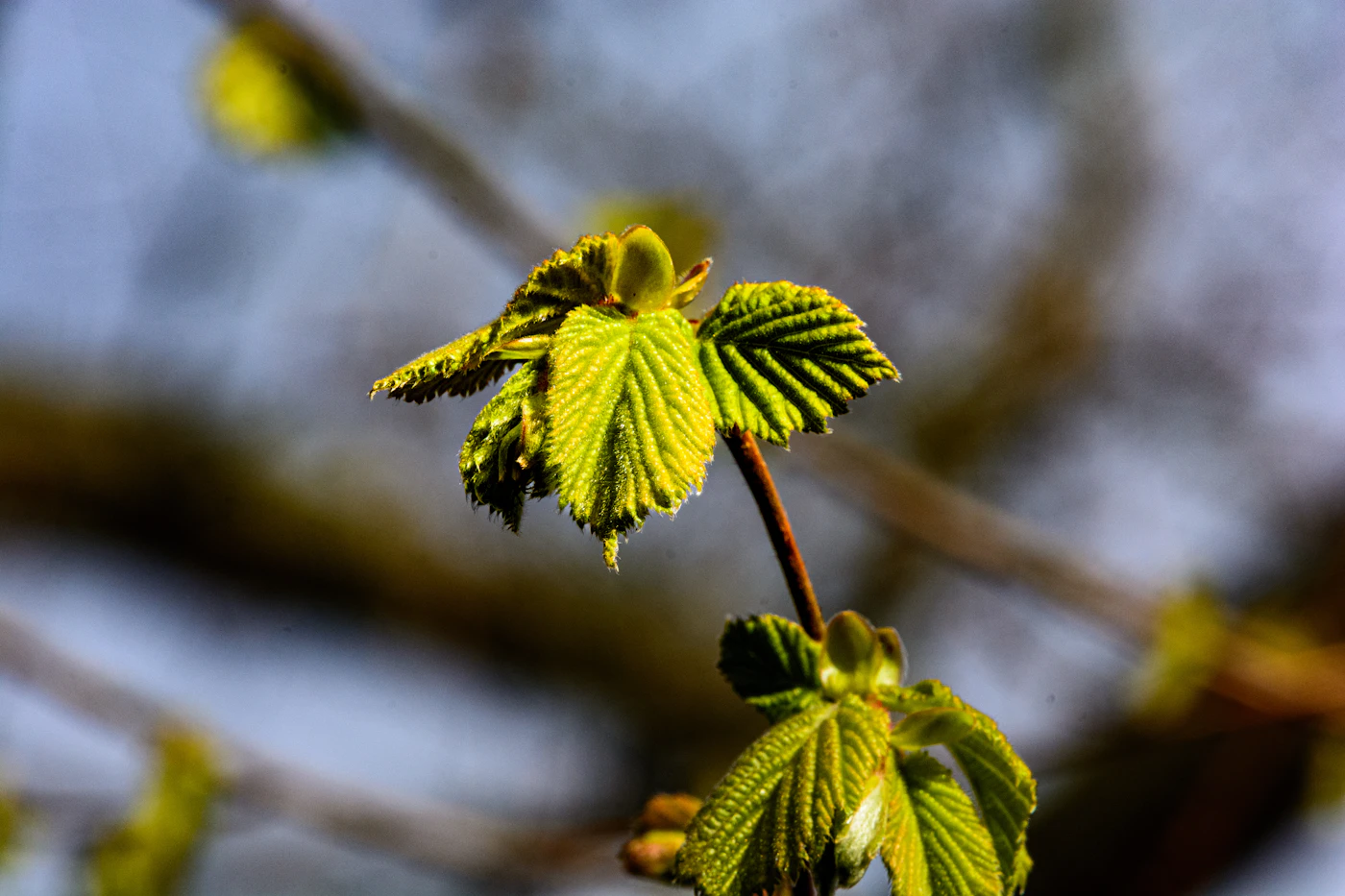
Start with half the dose on the label for the first one or two feedings, then return to the normal schedule. If you’re repotting in spring, wait 4–6 weeks after repotting before the first feed (our repotting guide covers timing).
FAQ
What month should I stop fertilizing houseplants?
For most homes in the Northern Hemisphere, October is the last month to feed, at half strength. From November through February, skip fertilizer unless a plant is under grow lights or flowering.
Is it bad to fertilize houseplants in winter?
It is usually unnecessary and can be harmful. With little light, plants can’t use the nutrients, so salts build up and can burn roots and leaf tips. Light, occasional feeding is only useful for plants that are actively growing or blooming.
Do houseplants go dormant in winter?
Most tropical houseplants don’t go fully dormant like outdoor trees, but they enter a rest period with very slow growth. Treat them as resting: less water, no fertilizer, as much light as you can give.
Should I stop feeding my houseplants in autumn even if they look healthy?
Yes, gradually. A healthy-looking plant in October is often running on stored energy from summer. Reduce to half strength in September and stop once new growth slows. Healthy plants handle a winter without feeding easily.
What if I forgot and kept fertilizing all winter?
Stop now, flush the soil with plain water (2–3 times the pot volume), remove any white crust, and let the soil dry slightly before the next watering. Most plants recover without lasting damage.
Does slow-release fertilizer need to be removed in fall?
Slow-release granules keep releasing nutrients for months, especially in warm rooms. Avoid adding new granules after late summer. If you see many pellets on the surface in fall, you can scrape some away with the top layer of soil.
Key takeaway: follow the light, not the calendar. Half strength in September, last feeding in October, nothing through winter, and a gentle restart when new leaves appear in spring.