Indoor plants for home work best when the plant, room, container, and care routine agree with one another. For a bright living room, start with plants such as a snake plant, monstera, or fiddle-leaf fig; for a lower-light apartment corner, choose a tolerant plant and place it as close to a window as the room allows. The practical decision is not simply which plant looks attractive: it is how much usable light the room provides, how consistently you can water, and whether the plant’s eventual size suits the furniture around it.
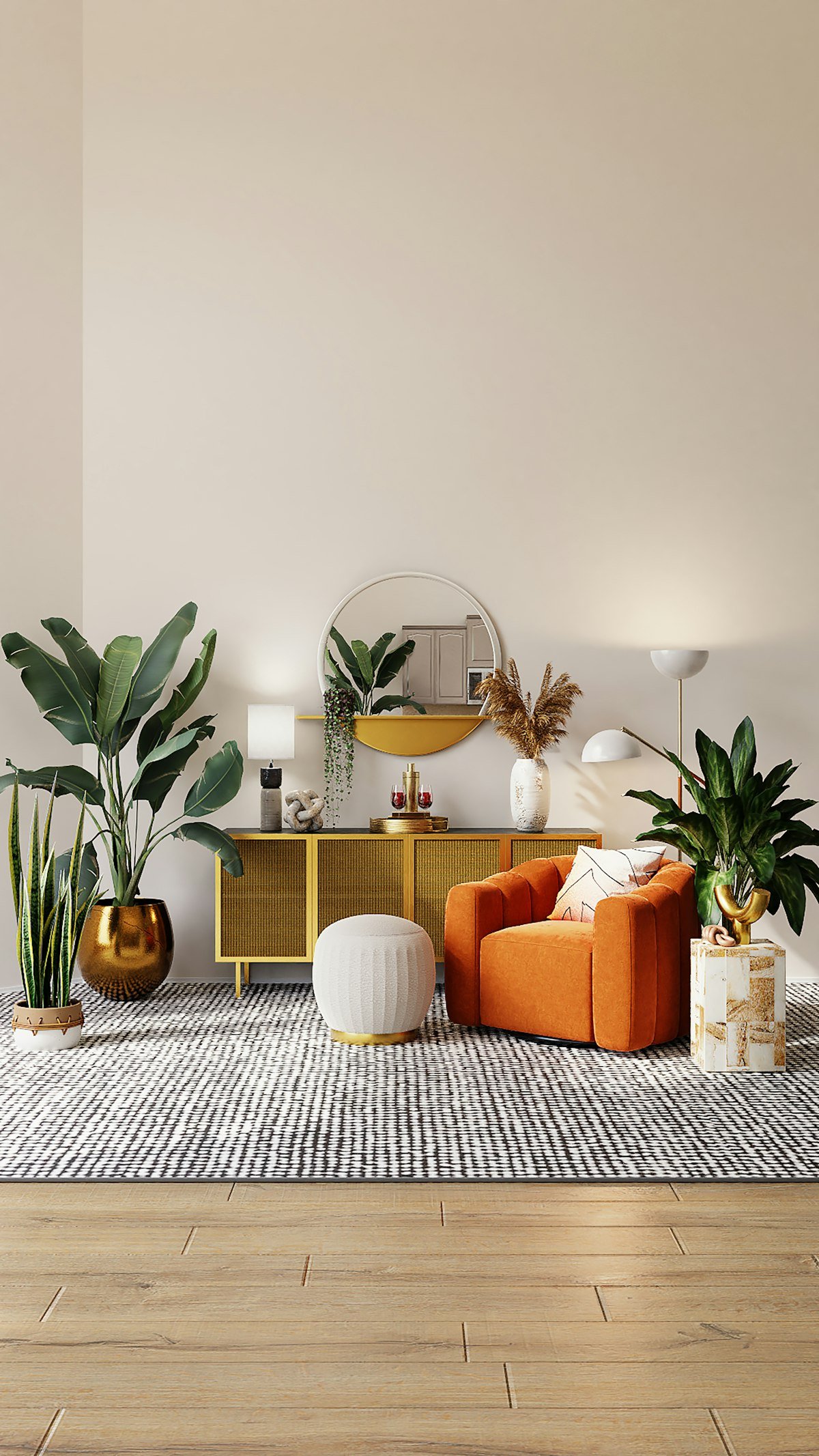
What “Indoor Plants For Home” really means
“Indoor plants” is a location, not a care category. A plant may live indoors but still need bright filtered light, good drainage, warm temperatures, or space to climb. For placement ideas, see our indoor plant decor guide. The phrase indoor plants for home therefore describes plants selected for an interior environment and its constraints: window direction, glazing, heating, air movement, household routines, pets, and available floor or shelf space.
A useful selection is a three-way match:
- Plant requirements: light intensity, watering pattern, mature size, humidity tolerance, and growth habit.
- Room conditions: the location of windows, seasonal daylight, drafts, radiators, and temperature swings.
- Owner capacity: how often someone can inspect the soil, rotate the pot, clean leaves, or respond to pests.
This definition prevents a common shopping error: choosing a plant by its photograph and then trying to force the room to behave like a greenhouse. A fiddle-leaf fig can be an excellent focal point in a bright room, but it is a poor choice for a dim hallway simply because its tall silhouette suits the furniture. A snake plant may be a better fit where watering is occasionally forgotten, although “low maintenance” does not mean “no maintenance.”
For a plant-by-plant starting point, the Royal Horticultural Society’s houseplant care guidance covers core considerations such as light, watering, feeding, repotting, and general maintenance. For related CozyPlant guidance, see the indoor plant care guide and the indoor plant watering schedule. Use such guidance to check the care category before buying, then adapt placement to the actual room rather than relying on a generic label.
Why the match matters in a modern home

Many common houseplant problems involve the interaction of light, water, and containers. A plant in weak light uses water more slowly; if it is watered on a rigid schedule in a container that drains poorly, the root zone can remain wet for too long. A plant near a sunny window may dry faster and need closer observation. The same calendar-based routine can therefore produce opposite results in two rooms.
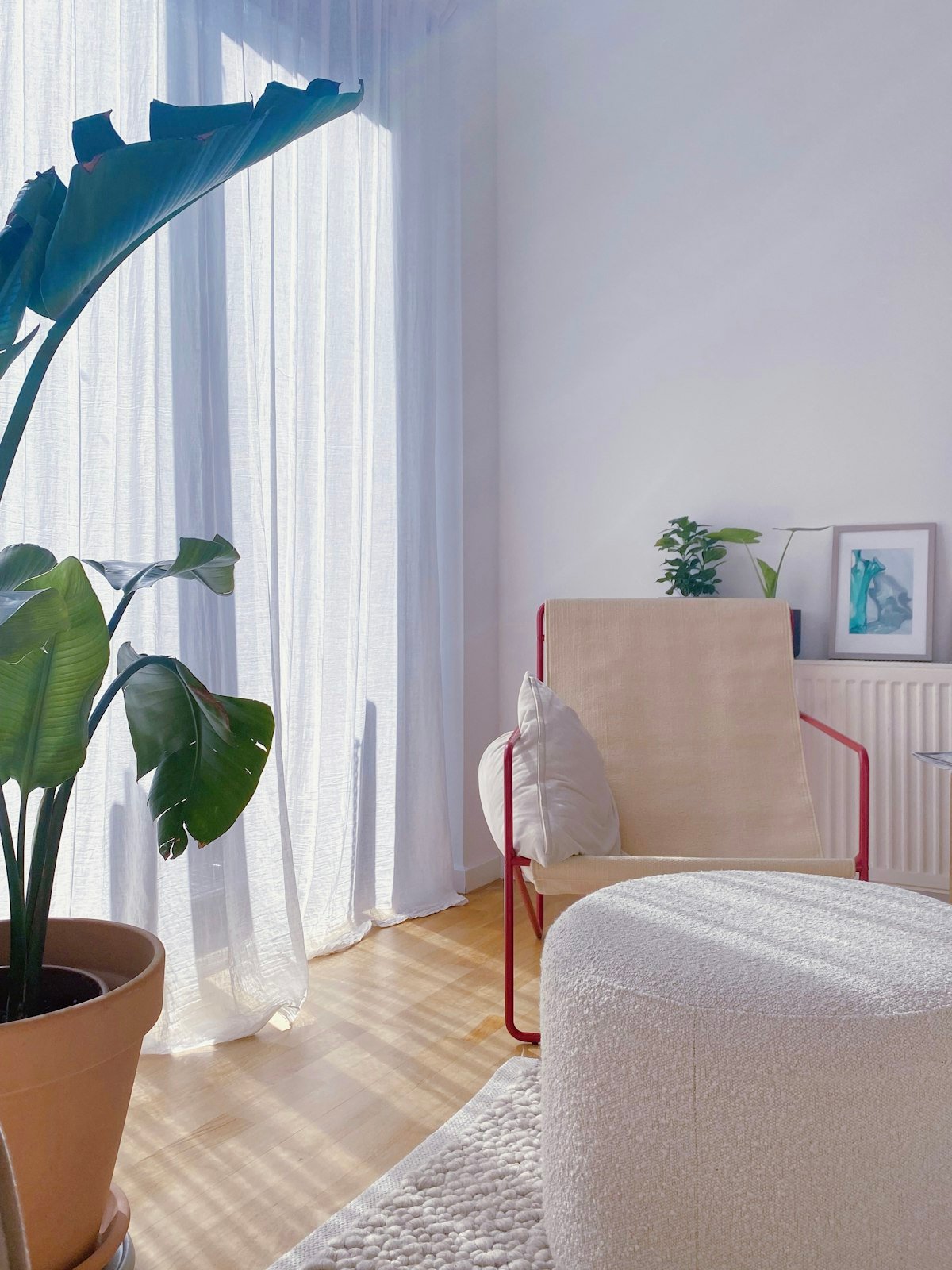
Light determines the plant’s working environment
Light is not only a styling issue. It supplies the energy plants use to grow, so a plant placed far from a window may gradually become sparse, lean toward the glass, or produce smaller new leaves. Curtains, tinted glass, nearby buildings, and the direction of the window all change the usable light. The RHS explains the distinction between direct and indirect light in its houseplant light guidance; use that distinction when translating a room description such as “bright” into a placement decision.
In practice, assess the plant’s actual location, not the room’s brightest point. A living room may be bright beside the window but relatively dim behind a sofa. If the best visual position is several feet from the glass, select a plant known to tolerate that condition or consider a grow light. Do not solve a light shortage by watering more: water cannot replace the energy a plant receives from light.
Watering is a response to conditions, not a date
Water when the plant and potting mix indicate a need, rather than because a reminder has appeared on your phone. Check the upper layer of the mix with a finger or wooden stick, feel the weight of the pot, and look for a plant-specific change such as drooping. These signals are imperfect individually, but together they are more informative than a universal weekly schedule. The University of Minnesota Extension’s houseplant care advice also emphasizes adjusting care to the plant, container, and growing conditions.
When watering, apply enough to moisten the root ball evenly and allow excess to escape through the drainage opening. Empty a saucer or decorative cachepot afterward so the pot is not left standing in collected water. The objective is not a permanently wet mix; it is a repeating cycle in which the plant receives water, roots have access to air, and the mix dries to the degree appropriate for that species.
Containers shape the margin for error
A decorative pot can improve a minimalist interior while making care harder if it has no drainage opening. One practical arrangement is a plant grown in a nursery pot with drainage, placed inside a larger cachepot. This preserves the visual finish while allowing the inner pot to be lifted out for watering and draining.
Choose the next pot for the root system, not for a dramatic visual jump. An oversized container holds more unused mix, which can stay wet around a small root ball. A cramped pot can restrict growth and dry quickly. Repotting is a response to evidence—roots circling densely, water passing straight through, or the plant becoming unstable—not an automatic seasonal ritual.
How to choose plants by room and routine
Start with a room audit before browsing varieties. Record the light at the intended position at different times of day, identify heat sources and drafts, and measure the available width and height. Then choose a plant whose care pattern you can maintain. This approach is particularly useful for apartment dwellers and interior designers, because it turns vague preferences into a repeatable specification.
- Bright window or sunroom: consider a fiddle-leaf fig or monstera if there is room for vertical and lateral growth. Keep leaves from pressing against cold glass and acclimate plants gradually if the light changes sharply.
- Moderate filtered light: a monstera, pothos, or similar foliage plant can provide volume without requiring the brightest position in the home. Support or prune climbing growth if the plant begins to overtake a walkway.
- Lower-light shelf: a snake plant is often a practical starting point, but place it near the brightest available window rather than treating “low light” as darkness. Let the mix dry more thoroughly between waterings than it would in a brighter, warmer position.
- Small desk or bedside table: select a compact plant whose mature spread will not crowd books, lamps, or working space. A small pot also needs more frequent observation because its mix can change condition quickly.
- Pet-accessible room: verify the exact species before bringing it home. The ASPCA maintains a searchable toxic and non-toxic plants database; keep in mind that a plant’s listing does not remove the need to prevent chewing and to contact a veterinarian if a pet has ingested plant material.
The examples above are starting policies, not universal care rules. A bright, warm room can dry a pot much faster than a cool room with the same window direction. Treat the plant label as a baseline, then revise placement or watering after observing new growth, soil condition, and the plant’s stability.
Where indoor plant plans break down
A well-chosen plant can still decline when the installation ignores small operational details. The most useful troubleshooting question is not “What fertilizer should I buy?” but “What changed in the plant’s environment?” Check light, watering, drainage, pests, and physical damage in that order.
Symptoms are clues, not diagnoses
| What you notice | Possible mechanism | First response |
|---|---|---|
| Yellowing leaves and persistently wet mix | Watering is exceeding use, possibly with poor drainage | Check the drainage opening, saucer, light level, and root condition before watering again |
| Long gaps between leaves or leaning growth | Light may be insufficient for compact growth | Move the plant closer to suitable light gradually and rotate it periodically |
| Crisp brown edges | Dry mix, low humidity, salt buildup, heat, or several factors together | Inspect roots and watering pattern; move away from direct heat and avoid treating humidity as the only cause |
| Sticky leaves or fine webbing | A pest may be present | Isolate the plant, inspect leaf undersides and stems, and identify the pest before treatment |
Do not react to one yellow leaf by changing every variable at once. Remove the damaged leaf if appropriate, inspect the plant, and make one measured adjustment. The RHS describes common houseplant problems and pests, including symptoms that can overlap across causes. Diagnosis becomes easier when you record the date, location, watering event, and visible change.
Decorative choices can create care problems
Minimalist interiors often favor large planters, hidden saucers, and plants positioned away from windows for visual balance. Each choice has a practical cost. A heavy planter is difficult to move for inspection; a hidden saucer can conceal standing water; a plant placed in a dark corner may lose density even if it looks perfect on installation day.
Design around maintenance access. Leave enough clearance to lift the inner pot, wipe leaves, and turn the plant without scraping walls or furniture. For a large statement plant, use a stable base and check that its mature canopy will not block a door, radiator, or primary walking route. The best display is one you can maintain without treating every watering as a furniture-moving project.
How practitioners apply the system
Interior designers, plant enthusiasts, and first-time owners can use the same short workflow. It separates visual selection from environmental verification and makes the final choice easier to explain.
- Define the job of the plant. Decide whether it should soften a hard corner, fill vertical space, frame a window, sit on a desk, or add a focal point to a room.
- Measure the constraint. Note the plant’s available width, height, window distance, and access for watering. Include the pot and support, not just the foliage.
- Classify the light honestly. Observe the intended position during the day. If the plant must sit far from a window, select for that condition or plan supplemental lighting.
- Choose a care pattern. Match moisture needs to your routine. Someone away from home frequently may prefer a plant that tolerates drying rather than one that requires consistently even moisture.
- Verify safety and logistics. Check species identity, pet access, pot stability, drainage, delivery placement, and whether the plant can be carried through the home without damage.
- Set a review point. After an illustrative starting period of two to four weeks, inspect new growth, soil behavior, leaf condition, and stability. This is a review window, not a universal care schedule.
A worked example for a minimalist living room
Suppose a homeowner wants one tall plant beside a neutral sofa. The position is about three feet from a bright window, there is a radiator on the adjacent wall, and watering is likely to happen once a week. A fiddle-leaf fig may satisfy the visual brief, but its placement should be checked for sufficient light and distance from direct heat. A snake plant may offer a larger tolerance for missed watering, though its upright form creates a different design effect. A monstera could provide broader foliage, but its mature spread and possible need for support must be included in the floor plan.
The selection is therefore not “the prettiest plant wins.” It is a trade-off between silhouette, light, maintenance, and future scale. If the homeowner chooses the fiddle-leaf fig, the care plan should include checking the mix before watering, rotating the plant for even growth, wiping leaves, and reassessing the position after seasonal daylight changes. If the room cannot provide the needed light, choosing a different plant is more reliable than repeatedly treating symptoms.
Build a small collection without creating a large chore
Group plants by care conditions rather than by appearance alone. Three plants with similar light and watering preferences can share an inspection route, while a visually coordinated group with conflicting needs can create confusion. Keep newly purchased plants separate from an established collection for an observation period, especially when the source or growing conditions are unfamiliar.
- Place plants with similar light needs within the same general zone.
- Keep leaves from touching cold windows, radiators, or air vents.
- Use a simple record for purchase date, last watering, repotting, and visible pests.
- Inspect new growth and leaf undersides during routine watering.
For a home furnishing project, the most dependable recommendation is to buy for the room you have, not the room you hope to create. Choose a plant whose care requirements fit the light and your schedule, give it a draining container, and leave enough access for routine checks. CozyPlant can help you browse curated indoor plants such as Monstera, fiddle-leaf fig, and snake plants for modern homes, while its care and indoor-gardening guidance can support the placement decision: CozyPlant
Related CozyPlant guides
FAQ
How do I choose indoor plants for my home?
Start with the light in each room, then consider watering habits, available space, and how much maintenance you can keep up.
Which indoor plants are easiest for beginners?
Snake plant, ZZ plant, and pothos are practical starting points because they tolerate a wider range of indoor conditions than many tropical plants.
Can I keep indoor plants in a low-light apartment?
Yes, if you choose species that tolerate lower light and you are honest about how dark the room actually is. See our low-light plants guide for placement details.
Authored with NotFair SEO