Indoor Plants and Air Quality: What the NASA Study Actually Means
What this guide covers
Rooms often feel calmer with living plants in them. That is not the same thing as a houseplant replacing ventilation or an air purifier. The NASA clean-air study from the late 1980s is still quoted everywhere; it is also easy to over-read. This guide explains what that research measured, where the claim breaks down in a normal home, and which easy plants are still worth growing.
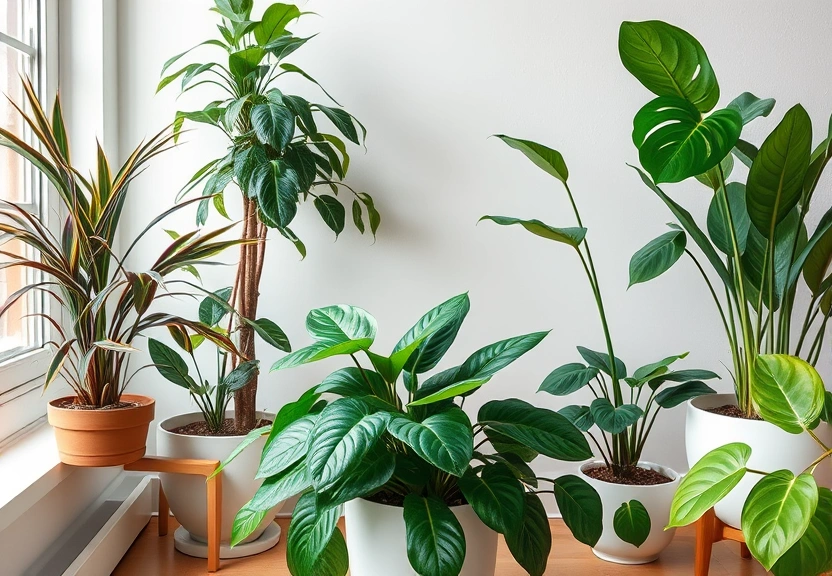
In this piece I’ll walk you through a friendly, practical guia indoor plants that blends science and real-world tips. Whether you’re hunting for indoor plants para iniciantes or you’re aiming to meet high evergreen demand for home offices and apartments, this guide offers a straightforward indoor plants tutorial: what to pick, why it works, and how to make plants part of your daily rhythm.
Ready to green up your life without turning your home into a jungle? Great — let’s get into the plants that actually help with indoor air purification and how to use them effectively.
Key Takeaways
- Point 1: Ten common, easy-to-care-for indoor plants have been shown to reduce indoor air pollutants and improve perceived air quality when properly placed and maintained.
- Point 2: NASA-backed research identifies species like spider plants, snake plants, and peace lilies as effective at removing VOCs; recent practical studies emphasize quantity and care over a single “miracle” plant.
- Point 3: For beginners, choose resilient species (e.g., ZZ plant, snake plant) and follow a simple indoor plants tutorial for watering, light, and soil to ensure success.
- Point 4: Implement plants strategically — group them, place near pollutant sources, and maintain soil and leaves — to maximize indoor plants air purification benefits.
- Point 5: Indoor plants also boost humidity, lower stress, and improve focus, making them a practical addition for home offices and shared indoor spaces facing high evergreen demand.
🎥 Vídeo relacionado ao tópico: 10 Indoor Plants That Purify Air Naturally (NASA-Backed Guide for 2026)
Desenvolvimento Principal
Let’s meet the ten indoor plants that consistently show strong air-cleaning potential in both lab settings and real homes. I’ll give a quick snapshot of each plant’s strengths, the kind of care they need, and where they fit in a living space. These are the species I often recommend to friends who say, “I want plants, but I kill everything.”
Top 10 NASA-Backed and Practical Picks
- Spider Plant (Chlorophytum comosum) — Tough, forgiving, and prolific. Excellent for removing formaldehyde and easy for indoor plants para iniciantes. Place it on a shelf or hanging basket where it can trail.
- Snake Plant (Sansevieria/Dracaena trifasciata) — Seriously hardy and a night-time oxygen producer. One of the best picks for bedrooms and low-light corners. It handles neglect like a champ.
- Peace Lily (Spathiphyllum) — Beautiful blooms and good at absorbing benzene and trichloroethylene. Needs consistent watering but rewards you with glossy leaves and flowers.
- Boston Fern (Nephrolepis exaltata) — A moisture-loving plant that helps with humidity and airborne pollutants. It asks for more attention, but it’s worth it in bathrooms or humid rooms.
- English Ivy (Hedera helix) — Great for VOCs and mold reduction; can be trained to trail or climb. Keep it trimmed to avoid invasiveness indoors.
- Rubber Plant (Ficus elastica) — Big leaves, big impact. It’s effective at removing airborne toxins and tolerates moderate light and routine dusting.
- Areca Palm (Dypsis lutescens) — A graceful palm that humidifies and filters air — a nice option where you want a living, sculptural statement.
- ZZ Plant (Zamioculcas zamiifolia) — A modern favorite for beginners: drought-tolerant, low-light tolerant, and forgiving when you forget to water.
- Aloe Vera — More than a burn healer; it helps clear benzene and formaldehyde. Plus, you can harvest gel for small first-aid needs.
- Chinese Evergreen (Aglaonema) — A colorful, low-light fighter that copes well with indoor life and helps reduce airborne contaminants.
These choices reflect both the original NASA list and updates from horticultural studies and indoor air quality research up to 2026. But remember: the science says quantity and context matter. A single plant on a windowsill won’t overhaul a sealed, polluted room. Instead, aim for multiple plants, proper placement, and good care.
Análise e Benefícios
What do these plants actually do? At the core, they help reduce volatile organic compounds (VOCs) like benzene, formaldehyde, and trichloroethylene — common in paints, cleaning products, and furniture. There’s also a micro-scale exchange: roots and soil microbes can break down some toxins, while leaves can absorb others. And yes, studies show improvements in perceived air quality and mood, which matters when you spend long hours indoors, especially in 2026 where many people continue to work from home.
But here’s my honest take: don’t expect a plant to replace ventilation or an air purifier. Plants are a natural complement. They add humidity where air is dry, reduce some pollutants, and make spaces more pleasant. For shared spaces under high evergreen demand — think co-working lounges or rental properties — integrating several resilient species can improve guest experience and reduce complaints related to stale air.
Another benefit: caring for plants is therapeutic. Tending a snake plant or trimming an ivy gives you a pause in your day. That human connection to living things is as valuable as measurable VOC reductions, in my opinion.
Implementação Prática
So how do you bring this into your home without turning it into a small rainforest? Below are curated, practical steps — an indoor plants tutorial for real life.
- Start simple: For indoor plants para iniciantes, begin with a snake plant or ZZ plant. They tolerate variable light and infrequent watering.
- Placement matters: Put plants near likely pollutant sources — near a printer, next to a painted wall, or by a frequently used cleaning closet. Grouping plants together also creates a microclimate that boosts humidity and effectiveness.
- Care routine: Water according to species — many of the best air-purifying plants prefer drying between waterings. Dust leaves monthly; roots and soil microbes do the heavy lifting and need oxygen.
- Potting and soil: Use well-draining potting mix and pots with drainage holes. Re-pot every 1–2 years as plants grow to keep roots healthy and soil active.
- Monitor and adapt: If you notice yellowing leaves or pests, act fast. Healthy plants purify best.
And a pro tip from my own trial-and-error: put a tray of pebbles and water under humidity-loving plants like Boston ferns. It keeps them happier without drowning the roots. Also, if you’re tight on space, hanging baskets or vertical planters are lifesavers.
Perguntas Frequentes
Pergunta 1
Do indoor plants really purify air enough to help allergies or asthma?
Short answer: they help but aren’t a cure. Plants can lower levels of some VOCs and slightly increase humidity, which may ease irritation for some people. But for serious allergies or asthma, proper ventilation, HEPA filtration, and medical advice are needed. Think of plants as one supportive layer in an overall strategy.
Pergunta 2
How many plants do I need to see an effect?
Multiple studies suggest that several plants distributed around a room are more effective than a single specimen. A practical rule: start with at least three to five moderate-sized plants for a typical living room, and increase density in rooms where people spend many hours. The goal is balanced coverage, not crowding.
Pergunta 3
Are any of these plants toxic to pets?
Yes — some, like peace lilies, snake plants, and English ivy, can be toxic if ingested. If you have curious cats or dogs, either place plants out of reach, choose pet-safe species (like spider plant or ponytail palm), or use deterrents. I’ve learned this the hard way — a chewed leaf is an expensive lesson.
Pergunta 4
Can I use houseplants instead of an air purifier?
Not really. Air purifiers with HEPA filters remove particulate matter very efficiently, while plants focus on VOCs and psychological benefits. If you care about particulate pollution (dust, smoke), use a purifier. If you want a natural, aesthetic boost plus VOC mitigation, add plants.
Pergunta 5
What’s the best way to care for plants if I’m busy or travel a lot?
Choose drought-tolerant species like ZZ plants and snake plants, use self-watering pots, and place plants in stable light conditions. Ask a friend to water occasionally, or set up a simple drip system. In my experience, low-maintenance plants survive long weekends away just fine.
Pergunta 6
Is there a seasonal difference in how plants purify air?
Yes. During winter, indoor heating reduces humidity and can stress plants, potentially reducing their effectiveness. In summer, higher light and growth mean more active leaf surface and root activity. Keep an eye on watering and humidity across seasons.
Conclusão
Bringing plants into your home is one of those small, consistent actions that pays back in comfort, visual pleasure, and a modest but meaningful improvement in indoor air quality. The NASA-backed findings give us a scientific backbone, but the real success is in practical implementation: pairing the right plants with care habits that match your life.
So if you’re building a verde corner at home, start with a couple of resilient species, follow a simple indoor plants tutorial, and scale up. You’ll learn what your space loves. And if you ask me, the best part is watching a plant thrive because you finally got the watering rhythm right — it’s oddly satisfying.
Want a quick starter list to buy this weekend? Spider plant, snake plant, ZZ plant, and a peace lily. That mix covers looks, care range, and indoor plants air purification benefits without overwhelming you. Happy planting!
Related CozyPlant guides
FAQ
Do indoor plants really purify air?
Plants can remove some compounds in controlled studies, but they are not a substitute for ventilation. Treat air-purifying claims as a secondary benefit.
Which air-purifying plants are easiest to keep?
Snake plant, ZZ plant, and spider plant are usually easier to maintain than more demanding species.
How many plants do I need for air quality?
There is no reliable household formula. Focus on plants you can keep healthy; a few thriving plants beat a crowded collection that declines.